The Story
Why it exists.
The beginning
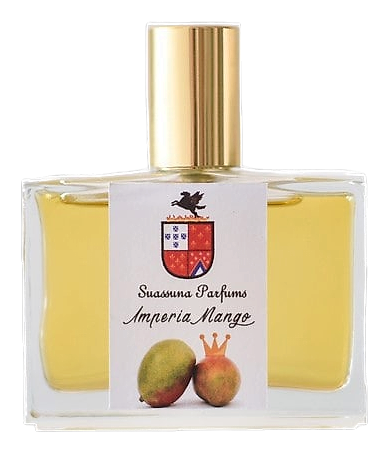
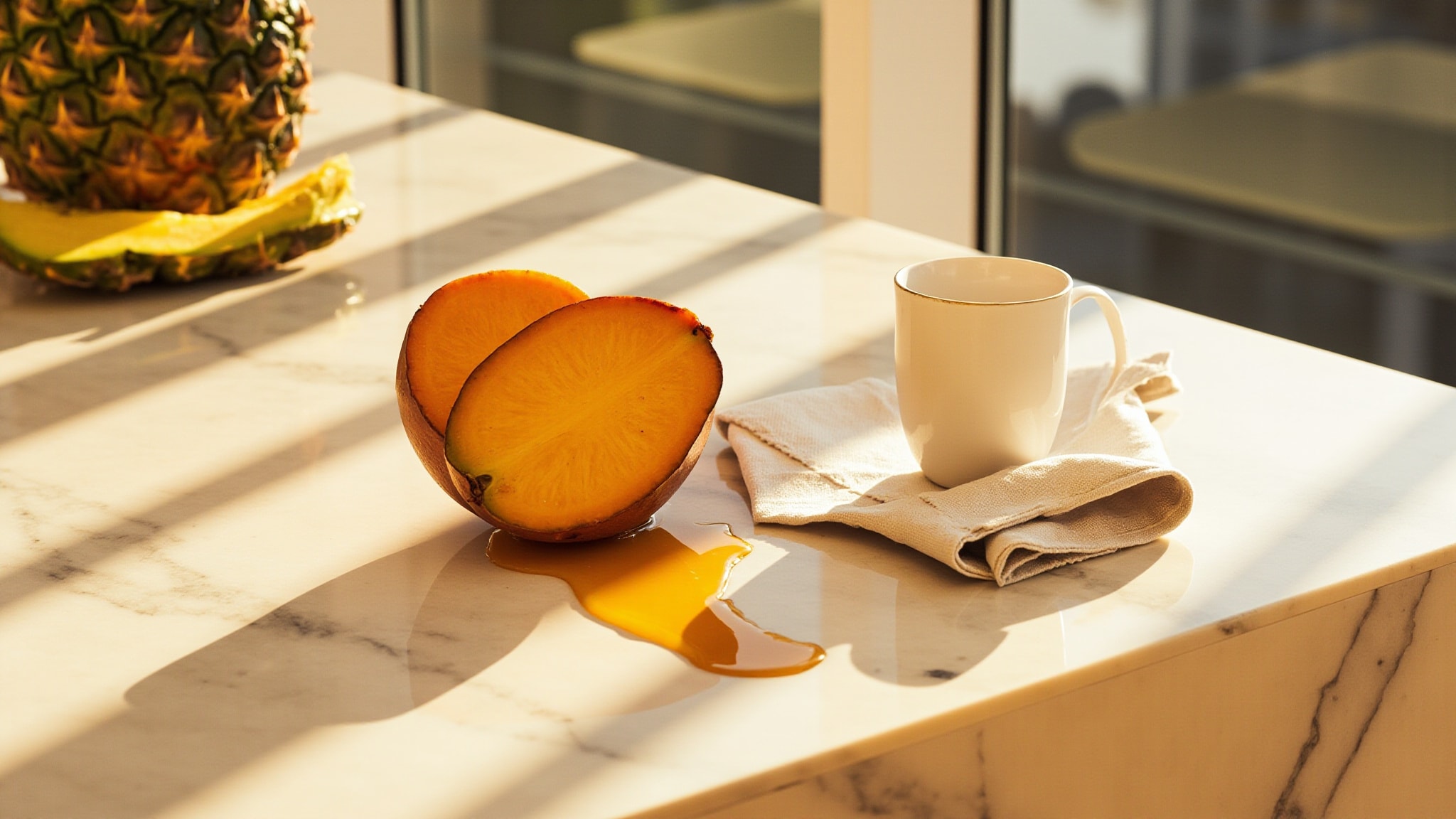
Imperia Mango is a composition from Suassuna Parfums, composed by perfumer Nilton Suassuna. "Imperia" translates to "imperial" in Esperanto, a constructed language, so the name lands as "Imperial Mango." It's a deliberate gesture: a fruit dressed in royal language, rendered in an invented vocabulary rather than borrowed from any single cultural tradition. The brief seems clear from the notes. This isn't a green mango cologne. It's the ripe one. The one you can smell from across the kitchen. The fruit here reads almost edible, with a syrupy sweetness that borders on the candied, tempered by the darker, earthier notes waiting in the base.
What makes the composition interesting is the way it stacks. The mango sits at the heart, surrounded by jasmine and rose, but the opening is where the real character shows: pineapple, plum, and citruses hit first, giving the fruit a sharper edge before the softer floral heart takes over. Then the base does something unexpected. Oakmoss, ambergris, and patchouli ground the sweetness in something earthier, so the mango never quite becomes candy. It's tropical, yes, but it knows what soil smells like.
The evolution
The first 30 minutes are fruit-forward and almost aggressive. Pineapple cuts bright, plum adds a bruised-skin sweetness, and the citruses give everything a clean snap. Then the heart arrives: mango shows up fully ripe, jasmine curls in underneath, and rose adds a powdery softness that keeps the fruit from being one-note. Around the 2-hour mark, the base takes over. Ambergris adds a salty-warm skin quality. Patchouli darkens the edges. Oakmoss pulls everything back toward forest floor. Vanilla softens but never dominates. Over the course of a wear, the composition moves through distinct stages, each one reshaping the last. The opening brightness slowly surrenders to the floral heart, which itself folds into the mossy, resinous base.
Cultural impact
Imperia Mango wears like a composition that refuses easy categorization. The Esperanto naming, the fruit-led structure, and the mossy base add up to something that doesn't fit neatly into tropical-niche or European-perfumery categories. The scent speaks its own dialect, tropical but grounded, sweet but never saccharine, with a depth in the drydown that keeps it from reading as a simple fruit showcase. There's a tropical lushness in the heart that recalls certain Caribbean-inspired fragrances, but the oakmoss and ambergris pull it toward something more European, more classical.