
The Story
Why it exists.
The beginning
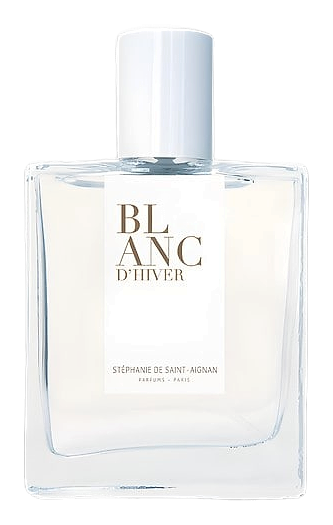
Blanc d'Hiver is winter white, imagined through scent rather than mapped onto a real geography. The composition is built around four materials that each carry surprising weight: pear for its cool sweetness, lily of the valley for a green lift, iris for a powdered softness, and musk holding it all together like a long exhale. There's no pyrotechnics here, no heavy-handed accords shouting for attention. Instead, the fragrance operates in a register of whisper-quiet confidence, where each note finds space to breathe without crowding the others. The name itself does what the juice does: it points at a temperature, a quality of light, a season filtered through atmosphere. You don't wear Blanc d'Hiver so much as inhabit it, carrying something that reads closer to weather than ornament.
What makes this composition worth a second look is how little it does and how confidently each note carries its weight. Pear, musk, lily of the valley, iris. Four materials, no pyrotechnics. The trick is that none of them behaves the way you'd expect: the pear isn't jammy, the musk isn't indolic, the lily of the valley reads almost aquatic, and the iris skips the rooty, earth-tobacco register and lands somewhere closer to cornstarch and talc. It's restraint as style, the kind of perfume that trusts you to lean closer instead of pushing its way toward you.
The evolution
The opening lands bright and almost fizzy, pear sharpened by whatever musk sits underneath. There's a brief window where it could read as a fruity-floral on someone else's skin. Then the composition settles into its real personality. The lily of the valley arrives not as a literal flower but as a cool, watery green, the kind of scent a stem left in a glass of cold water gives off. Iris shows up shortly after, but it isn't the dense orris butter you find in serious iris compositions. It's powdered, mineral, almost metallic. A frosted glass feel. What dominates the wear isn't any single note but the musk, which here functions less as skin-scent and more as a white-tinted glue, holding the whole thing at a distance from your skin so it always smells a degree colder than you are.
Cultural impact
Blanc d'Hiver has earned its place among the iris-led minimalists that niche collectors return to as touchstones. It sits comfortably in conversation with L'Eau d'Hiver and other cool, restrained compositions, a fragrance that proved a four-note brief could carry genuine weight in the independent space. The composition helped bring powdery white-floral structures into the niche conversation, reintroducing a vocabulary that had previously belonged almost entirely to vintage houses.
The House
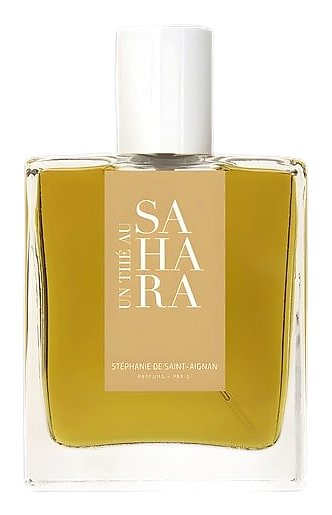
Stephanie de Saint-AignanStephanie de Saint-Aignan is a French independent perfumer who emerged from the ISIPCA school of perfumery and cosmetics to launch her debut collection in 2007. Her work centers on olfactory narratives rooted in personal experience and literary imagination. Rather than chasing market trends, she constructs fragrances that function as sensory memoirs, with compositions like Berberiades and Un The Au Sahara demonstrating her preference for layered, evocative storytelling through scent. Her output remains relatively small and intimate, with each fragrance representing a distinct chapter in an ongoing exploration of aromatic memory. Collectors of niche perfumery recognize her for uncompromising vision and compositions that reward sustained attention rather than immediate impression.
The Creator
Stéphanie de Saint-AignanSaint-Aignan's signature lies in her use of aromatic and green materials, particularly tea, mint, and incense. She balances freshness with warmth, creating compositions that feel simultaneously grounded and elevated.