Stephanie de Saint-Aignan
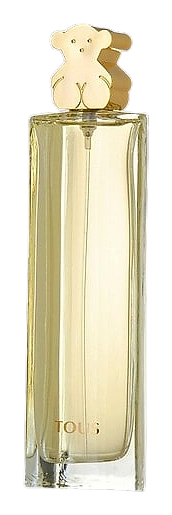
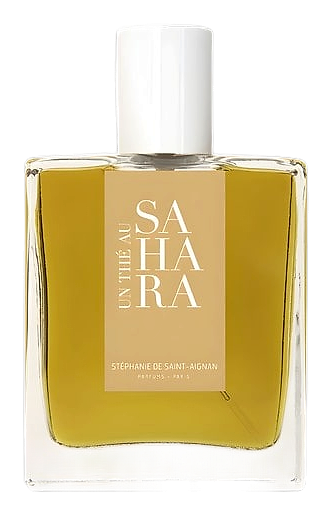
Stephanie de Saint-Aignan arrived in the fragrance world with the kind of low-key confidence that signals a perfumer who trusts her instincts. She trained at ISIPCA, the Parisian institution that has shaped generations of creative noses, and in 2007 launched her debut collection, marking her entrance with intention rather than spectacle. Her work for Spanish brand Tous has shown an accessible elegance, but her most personal compositions reveal something more intimate. Un Thé au Sahara, one of her most-discussed creations, draws from Morocco and the literary world of Paul Bowles, translating geographic longing into scent through tea, mint, and incense. She spent two years developing Royal Palm, a project that suggests patience and precision over quick execution. Though her public profile remains modest, her body of work speaks to someone building something lasting, one carefully considered fragrance at a time.
The hits
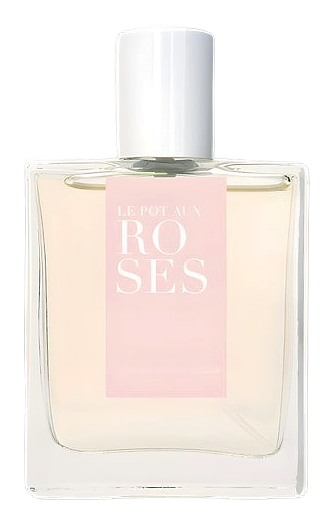
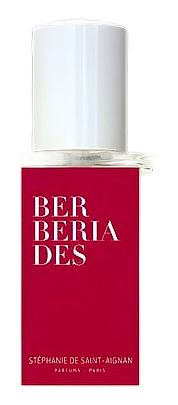
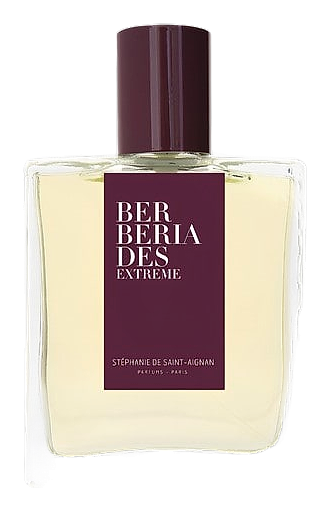
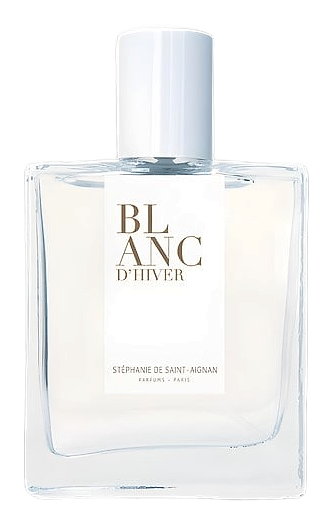
Notable creations
The signature
How Stephanie composes
Saint-Aignan's signature lies in her use of aromatic and green materials, particularly tea, mint, and incense. She balances freshness with warmth, creating compositions that feel simultaneously grounded and elevated. Her work tends toward the natural and botanical, with a preference for ingredients that carry cultural and geographic associations. She layers contrasts well, combining crisp herbal notes against resinous depth. Her compositions suggest someone who thinks in textures as much as notes, building fragrances with structural clarity. The restraint in her work prevents excess while still delivering genuine complexity. Her approach favors precision over abundance, each material earning its place.
Philosophy
What drives Stephanie
Saint-Aignan approaches fragrance as narrative, each scent telling a story grounded in place, memory, or literature rather than trend. She does not chase what's popular; she chases what's true to the emotion she wants to capture. Her inspiration often comes from beyond perfumery itself, from books and landscapes, giving her work an unusual literary quality. She seems to believe that a fragrance should offer something worth discovering over time, rewarding attention rather than announcing itself loudly and then disappearing. This patient, story-first approach separates her from perfumers who treat scent as pure product.
The houses
Maisons Stephanie composes for
In the same league