
Heritage
A house, in its own words
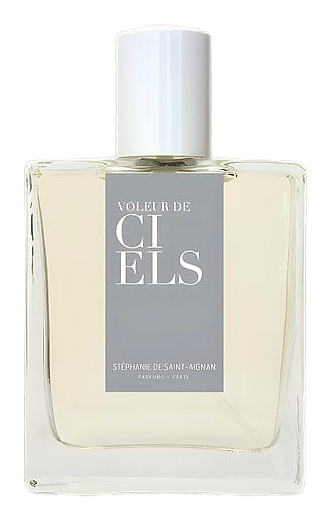
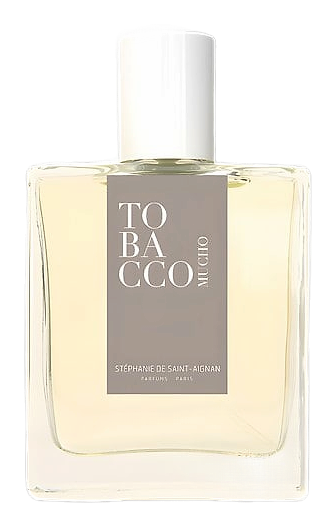
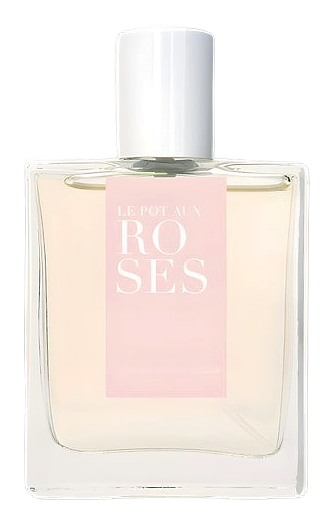
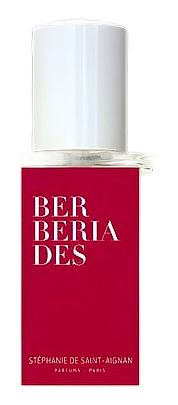
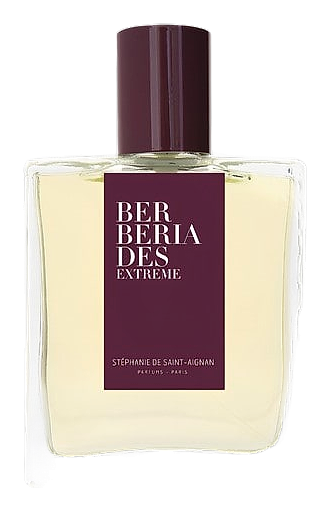
The story of Stephanie de Saint-Aignan begins with formal training at ISIPCA, the prestigious French institute that has shaped generations of perfumers since its founding. Unlike many niche perfumers who arrive at fragrance through circuitous paths, she pursued perfumery as a dedicated course of study, graduating into the rarefied world of independent fragrance creation. Her first collection materialized in 2007, carrying her own name as a signature of personal accountability for every formula. The timing placed her work within the early wave of niche fragrance resurgence when adventurous consumers began seeking alternatives to commercial releases. Her 2006 releases, including Le Pot Aux Roses, Voleur de Ciels, and Tobacco Mucho, arrived before the official collection launch, suggesting an initial period of experimentation and private formulation that preceded her public emergence. Each fragrance name hints at narrative ambition: Berberiades suggests geographic specificity, while Le Pot Aux Roses invokes a domestic interior transformed into something mysterious. The House operates as a single-person atelier rather than a scaled business, a structure that allows complete creative control but limits production scale and global availability. Stephanie de Saint-Aignan's approach to perfumery treats fragrance as a form of aromatic literature, with each composition encoding specific sensory memories or imagined landscapes. She gravitates toward complex, layered constructions that unfold differently across hours of wear, inviting wearers to discover new dimensions in familiar materials. Rather than beginning with market research or trend forecasting, she starts from personal sensory experiences or literary texts that spark olfactory imagination. Un The Au Sahara exemplifies this approach: the fragrance does not attempt to recreate the aroma of hot mint tea but instead conjures the atmospheric sensation of that experience through complementary materials including incense, wood, and leather. Her philosophy resists the commercial pressure to produce universally pleasing scents, preferring instead to craft fragrances that may challenge or surprise but ultimately reward deep engagement. She treats perfumery as a medium for genuine artistic expression rather than a consumer product optimization exercise. Each fragrance in her collection occupies a distinct olfactory territory, avoiding the brand-family cohesion that commercial houses typically enforce.