The Story
Why it exists.
The beginning
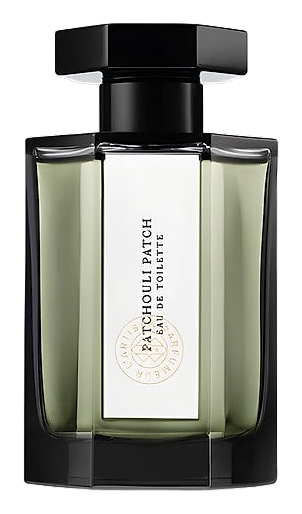
The name says everything. Patchouli Patch is patchouli examined under a different light, not the earthy, head-shop stereotype, but a note that could be refined, aromatic, almost mineral. Bertrand Duchaufour and Evelyne Boulanger built this 2002 composition around that question: what happens when you let patchouli lead without apology?
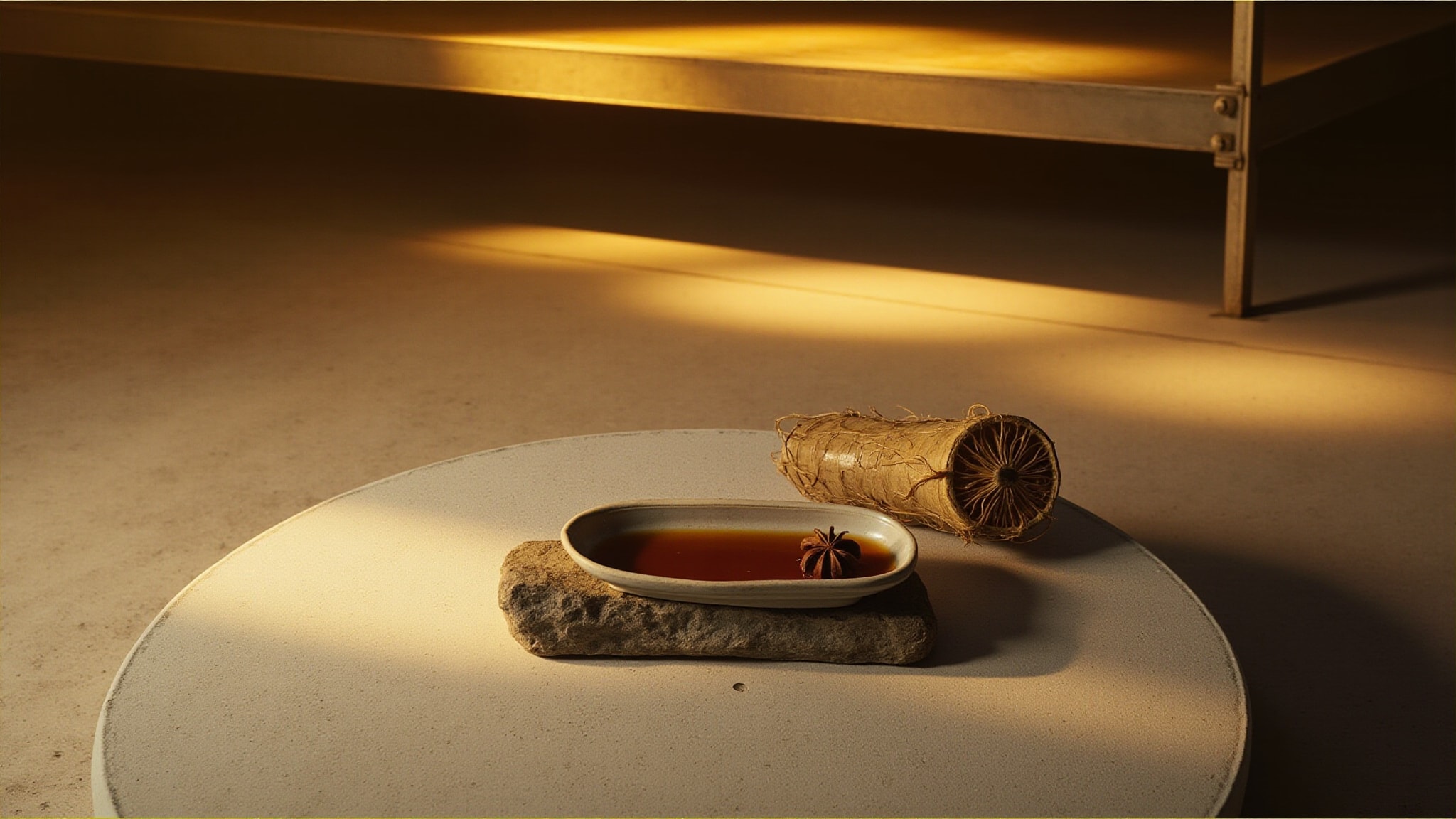
The answer lies in the structure. Star anise and caraway open cool, almost medicinal. Osmanthus threads through the heart, apricot-floral, unexpected against the earthy base. Iris and white musk powder everything into elegance. By the base, sandalwood and vetiver have anchored it in warmth. It's patchouli in service of something larger, not patchouli as a statement.
The evolution
The opening arrives sharp and anise-forward. Almost camphorated. White musk softens it while patchouli waits underneath, not dominant yet, but present. Within an hour, the anise recedes and patchouli takes over. Osmanthus adds its apricot-floral weight. Iris brings powder. The heart is earthy, powdery, softly floral. Then the drydown: sandalwood, vetiver, cedar. Patchouli softens but doesn't disappear. The woodiness lingers. The powder stays. On fabric, it becomes something close to clean linen. On skin, moderate sillage that holds for hours.
Cultural impact
Patchouli Patch occupies a specific corner: dry, powdery, patchouli without apology. It found its audience among those who wanted the depth of patchouli without its typical sweetness. The anise-forward opening distinguished it from richer interpretations. For niche fragrance enthusiasts exploring patchouli beyond the stereotype, it became a reference point.