The Story
Why it exists.
The beginning
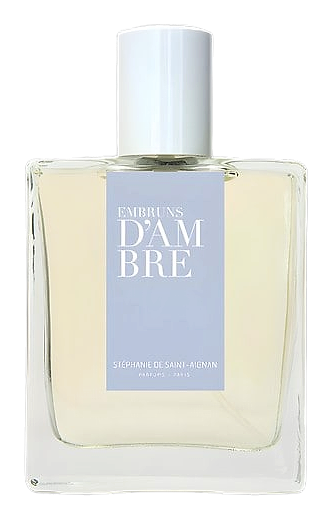
Embruns d'Ambre arrived in 2006, the work of Stéphanie de Saint-Aignan. The name tells you almost everything you need to know: sea spray and amber, a coastal scene rendered in scent. The opening is bright and briny, a sharp marine accord that suggests salt water carried on wind, the kind of ozone-laced brightness you find at the edge of the sea on a clear morning. Lemon cuts through early, not candied or synthetic but bracing, almost tart, lifting the composition into the light before the deeper notes settle in. As the hours pass, the amber emerges. It is warm, resinous, slightly sweet, a counterweight to the marine brightness that preceded it. The tension between these two poles, the saline brightness above and the golden depth below, is what gives the fragrance its quiet architecture.
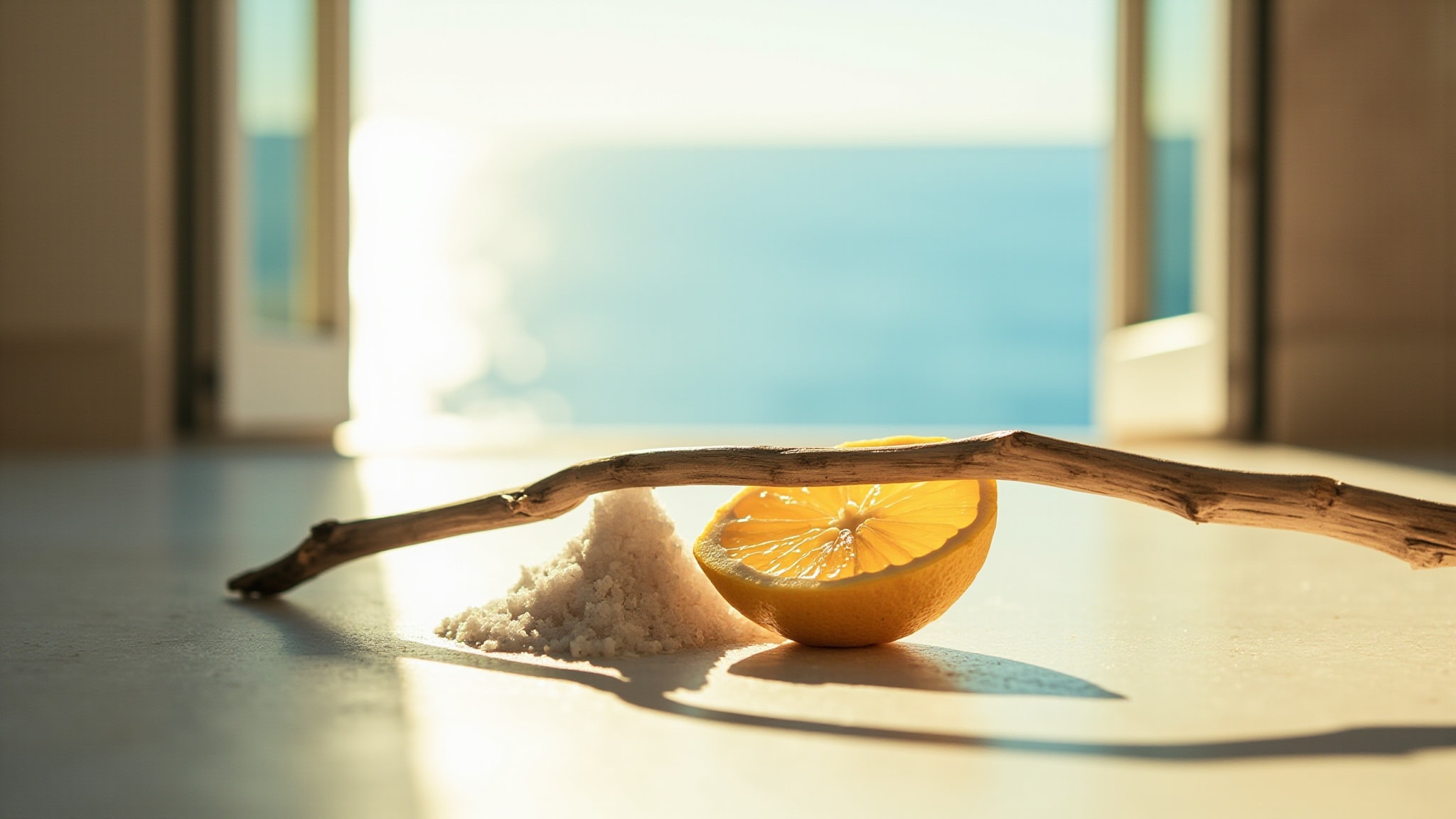
Four ingredients do the heavy lifting here. Amalfi lemon brings the light, almost candied brightness that distinguishes it from generic citrus. Sea water is the thread that keeps the whole composition from tipping into pure amber territory. Amber and woody notes ground it. The interesting choice is the ratio: rather than letting amber dominate as it does in most compositions wearing that name, de Saint-Aignan lets the marine and citrus share equal billing. The result reads more like standing at the water's edge than sitting beside a fireplace.
The evolution
The first ten minutes are all lemon and salt. Bright, almost sharp, with the kind of brightness that smells less like fruit and more like sunlight on pale stone. As the opening relaxes, the woody notes surface. They come across as dry and mineral, an austere counterpoint to the sweetness of the amber that follows. By the second hour, the amber has arrived in full. It doesn't roar. It murmurs. Warm, resinous, a little sweet, pulling the salt back into itself until the whole thing smells like skin after a day at the shore. The marine accord begins to recede as the hours pass, giving way to the amber's slow glow. What remains is a quiet warmth that sits close to the skin rather than projecting outward. The drydown carries this amber softness for hours, a low hum of resin and wood that lingers well into the evening.
Cultural impact
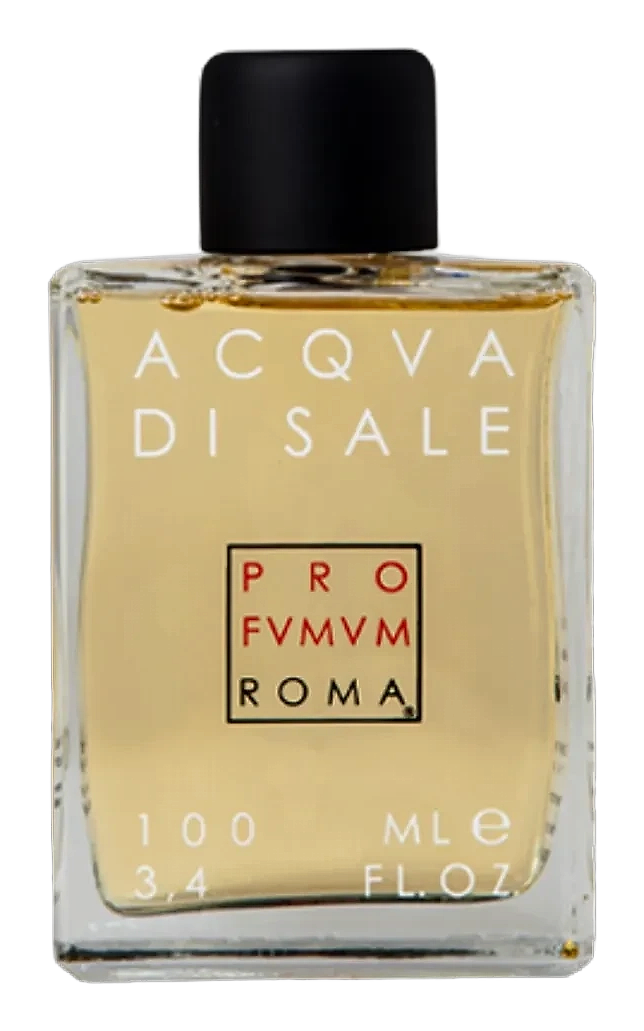
Embruns d'Ambre has earned a quiet following among those drawn to coastal-amber fragrances. Wearers tend to reach for it in warmer months, when the marine accord feels most appropriate, and many describe the experience in sensory rather than technical terms: the smell of salt on skin, the warmth of a day at the shore, the golden pull of amber late in the wear. The fragrance has been compared to other coastal compositions, including Acqua di Sale by Profumum Roma and Mare Nostrum by Lorenzo Villoresi, both of which explore similar marine-amber territory. Embruns d'Ambre occupies its own space within that conversation.