
The Story
Why it exists.
The beginning
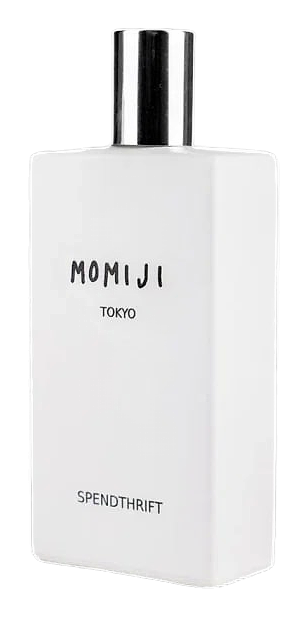
Momiji means maple leaf in Japanese, and the fragrance wears that name like a quiet invitation. Spendthrift's Tokyo entry is a 2024 release that leans into the earthy register of autumn, with a woody chypre structure built around humus, dried leaves, and tree moss, pulling the forest floor into something wearable rather than literal. The composition doesn't try to be a postcard of the city. It reads more like a memory someone carried home: that specific dampness, that particular rust, the way a park path smells when the season has just turned. There's nothing touristy about it. The maple leaf name nods to the season without costume, and the notes do the heavy lifting underneath.
What separates this from the usual autumn-fragrance pack is the opening: humus and underwood notes right at the top, not buried in the base. That placement gives the composition a rawness the dried leaves and amber eventually soften. The first ten minutes carry an almost compost-like edge, unapologetic and direct, the kind of opening that asks something of the wearer rather than smoothing everything over for immediate likability. As the minutes pass, the green and earthen notes recede just enough for the warmer elements to take hold.
The evolution
The first spray is green and sharp, citruses giving way to that damp earth note almost immediately. It's the least polite moment of the fragrance, almost compost-like, and it asks something of the wearer. The dried leaves and amber move in to soften that edge, and the composition eventually settles into a warm, mossy sweetness that feels more like walking through a park after rain than turning one. From there, the base takes over: patchouli and vetiver grounding the sandalwood, tonka and vanilla adding a low amber glow underneath. The vetiver carries a dry, slightly smoky quality that anchors everything, while the sandalwood brings a creamy warmth that keeps the composition from feeling austere. On skin the fragrance reads intimate rather than loud, staying close to the wearer in a way that rewards proximity over projection.
Cultural impact
Momiji - Tokyo reads as a focused study rather than a broad-stroke interpretation. The composition leans into underwood, humus, and green notes rather than cherry blossom or yuzu, choosing the less-trafficked side of the seasonal palette. That restraint is part of what gives it weight among collectors who pay attention to regional specificity. A perfume built around forest-floor notes and damp leaves without leaning on the obvious Japanese signifiers is a quieter kind of tribute, one that trusts the wearer to recognize the season without spelling it out.








