Dried Leaves
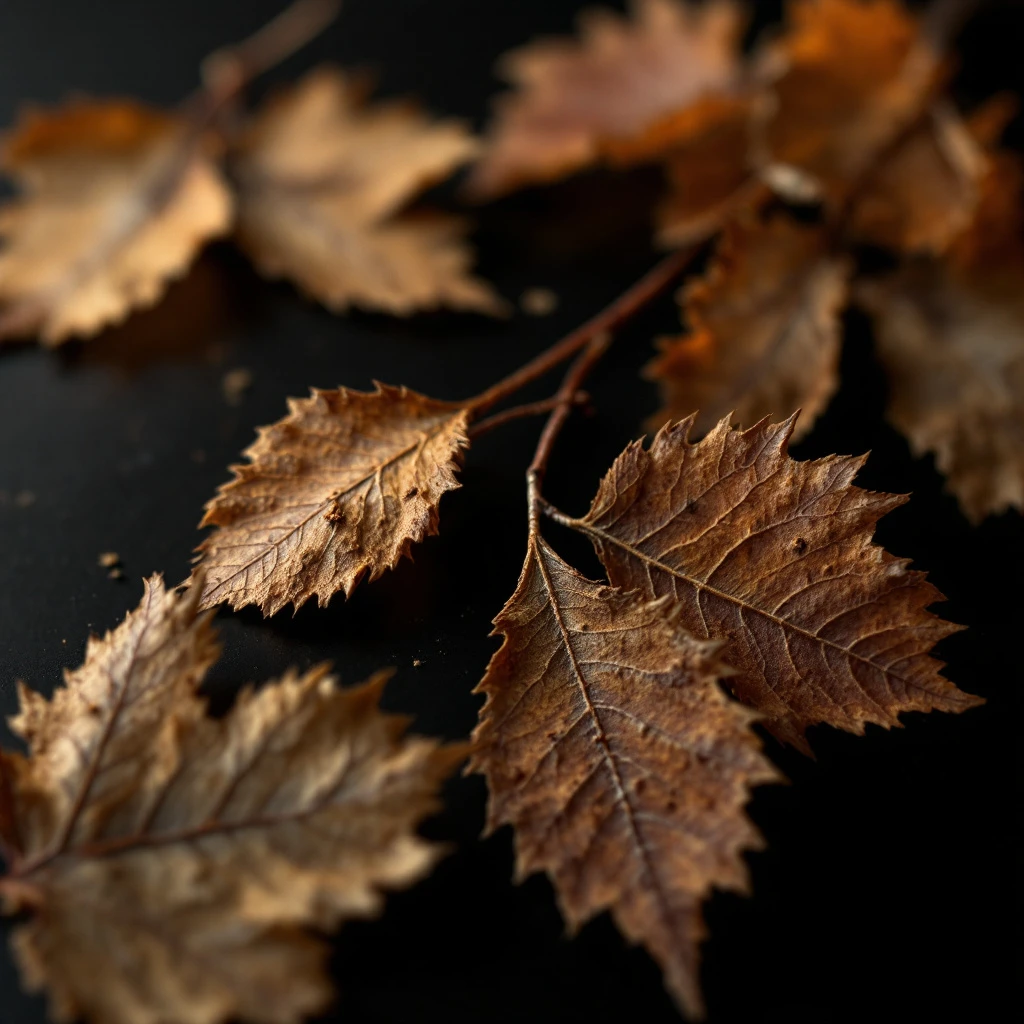
The quiet alchemy of dehydration. Drying leaves transforms their scent profile, concentrating certain molecules while unlocking entirely new ones through enzymatic and oxidative reactions. What was green becomes profound.
Character
How it smells
When drying deepens what nature started.
Vetiver roots must dry for up to 12 months before distillation—a patience that produces one of perfumery's most complex base notes.





Origin
India
Before analytical chemistry gave perfumery its vocabulary, dried botanicals gave it its soul. Ancient Egyptians packed myrrh and other dried leaf resins into tombs, believing aromatic materials carried spiritual weight.
Medieval Arab physicians formalized the use of dried rose petals, jasmine, and other plant materials in attars and medicinal preparations. When the French perfume houses of Grasse formalized modern perfumery in the 18th century, dried materials remained central—oakmoss, which grows on trees rather than as free leaves but is harvested and dried like one, became the defining ingredient of the chypre family.
The fougère accord, another pillar of Western perfumery, built its structure around dried lavender, oakmoss, and coumarin-rich materials. These accords emerged from an intuitive understanding of what drying does to botanical chemistry—understanding that gas chromatography would later confirm and quantify.
Wears it best
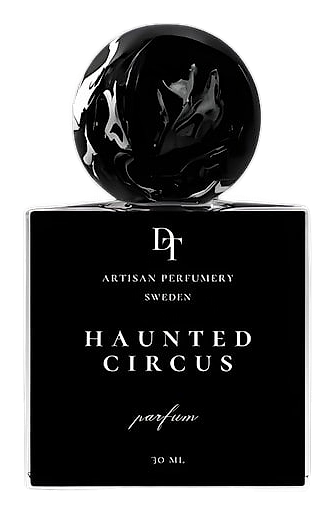
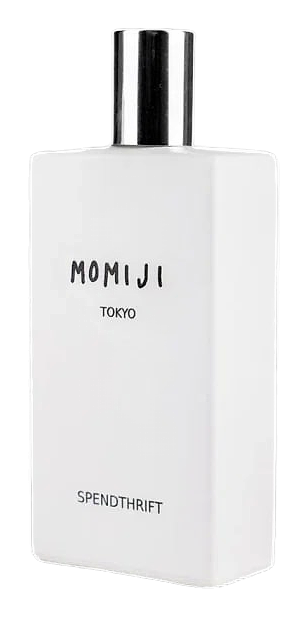
Fragrances featuring Dried Leaves

Brands
Brands known for Dried Leaves
Good to know
Questions, answered
The essentials on Dried Leaves in perfumery: how it smells, where it comes from, and how it behaves on skin.
What are dried leaves in perfumery?
Dried leaves describe botanical materials that have been dehydrated before extraction, a process that concentrates existing aromatic compounds and generates new ones through enzymatic reaction. Vetiver roots, patchouli leaves, and tobacco leaves all fall into this category.
Why are leaves dried before extraction?
Drying reduces moisture content and triggers chemical changes that deepen and diversify the scent profile. For vetiver, a 12-month drying period produces the characteristic smoky, leathery complexity that defines the material.
Which dried leaves are most common in fragrance?
Vetiver roots lead in volume, followed by patchouli leaves. Violet leaf absolute comes from fresh leaves but is mentioned alongside dried materials for comparison. Tobacco leaf absolute and oakmoss absolute also represent this category.
How is scent extracted from dried leaves?
Steam distillation is the most common method. Pressurized steam penetrates the dried material, rupturing cell structures and carrying volatile aromatic molecules into a condenser where they separate from the hydrosol by density.
What scent families use dried leaves?
Dried leaf materials anchor oriental, chypre, and fougère families. Vetiver appears in approximately 36% of men's fragrances as a base note, according to industry formulation surveys.
Are dried leaves natural or synthetic?
Dried leaf materials are natural. They begin as cultivated or wild-harvested plants, are dehydrated, and then extracted. No synthetic replication of dried leaf chemistry matches the full complexity of the natural process.
Do dried leaves smell like fresh foliage?
No. The drying process transforms the scent dramatically. Fresh violet leaf smells green and slightly cucumber-like, while dried leaf absolutes carry hay-like, tobacco, and coumarin facets that are entirely absent when the material is fresh.
How do perfumers combine dried leaves with other ingredients?
Dried leaf materials typically anchor the base of a fragrance pyramid. Vetiver pairs with sandalwood and amber for warmth. Patchouli supports oriental bases with rose or geranium. Oakmoss defined classic chypre structures alongside bergamot and labdanum.