
The Story
Why it exists.
The beginning
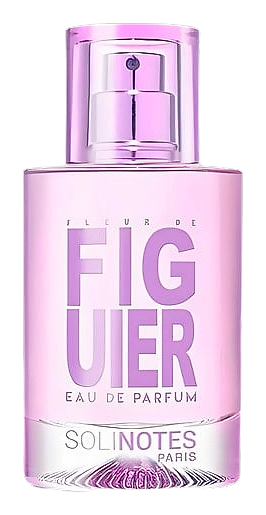
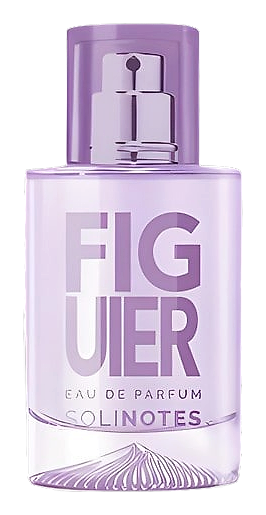
Céline Ripert designed Figuier in 2014 for Solinotes, a French house built on the idea that a fragrance should be a starting point, not a finished sentence. The brief was simple in concept, complex in execution: capture the fig tree completely. Not just the fruit. The bark, the leaf, the blossom, the milk that seeps when you break a branch. Ripert worked within Solinotes' modular philosophy, building a scent that could stand alone or serve as a piece in a larger personal accord.
The fig tree is unusual material for perfumers. Its fruit carries a lactonic quality, that milky, slightly coconut-like sweetness, but the leaf and bark pull in a completely different direction: green, resinous, almost sap-like. Most fig fragrances lean one way or the other. Figuier attempts both at once, opening with the leaf's green energy before folding in the fruit's softer character through the heart. The result is a fragrance that feels like standing beside a fig tree in late summer, not just smelling the fruit, but sensing the whole living thing.
The evolution
The opening arrives crisp and green. Blackcurrant and grapefruit lift the fig leaf's natural bitterness, giving the first minutes a tart, almost dewy quality, like walking past the tree at dawn. Within twenty minutes, the green edge settles and fig blossom takes over, carrying the fragrance from sharp to soft. Peony rounds the transition, adding body without sweetness. By the second hour, the drydown asserts itself: cedar and sandalwood anchor the composition while fig milk, the lactonic note, emerges as a quiet warmth that sits close to the skin. The sillage drops to intimate by hour three. What remains is a woody-cream base that fades gently over the next few hours rather than disappearing abruptly.
Cultural impact
Fig fragrances occupy a crowded corner of the market, from Diptyque's Philosykos to Versace Versense. Figuier sits apart by refusing the genre's typical choices, no coconut overload, no heavy lactonic blur. Instead, it holds the green note open longer than most, which divides wearers but defines the scent's identity. Within the Solinotes range, Figuier performs well for layering: community reviews note pairing it with the brand's Vanille for a warm-cream effect that transforms the drydown entirely. The brand's modular positioning invites this kind of experimentation, and Figuier functions as a reliable green base in that system, woody, fresh, and built to be combined.
The House
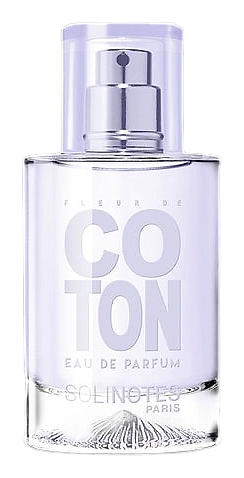
SolinotesSolinotes is a French fragrance house that builds its catalogue around single-note creations. Each scent isolates one aromatic idea – a citrus burst, a warm amber, a green pistachio – and invites the wearer to blend the pieces into a personal accord. The brand positions the act of mixing as a playful laboratory, offering a palette that feels both approachable and sophisticated. By keeping the formulas focused, Solinotes lets the individual character of each ingredient shine, while the clear glass bottles and minimal labels reinforce a modern, uncluttered aesthetic.
The Creator
Céline RipertRipert favors a structured yet fluid approach to composition, often building around a central accord that anchors the fragrance while allowing subtle variations to emerge as it develops on skin. She works comfortably with both natural and synthetic materials, choosing based on…