
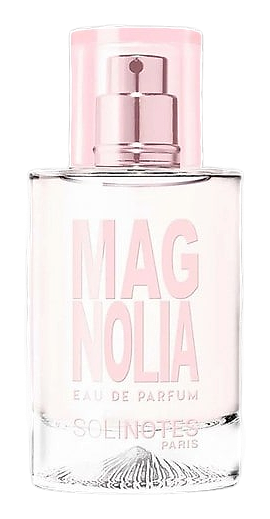
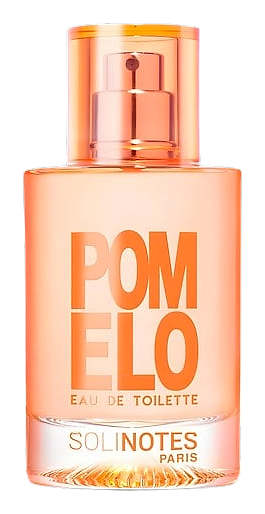
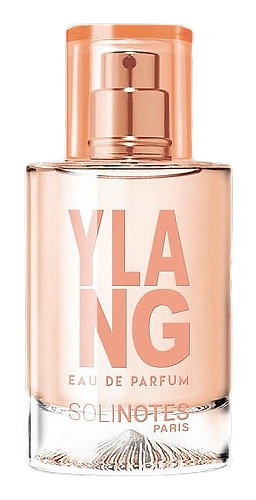

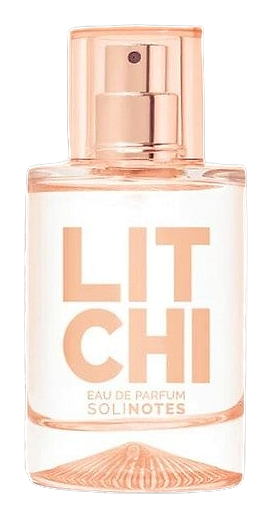


    Brand Profile

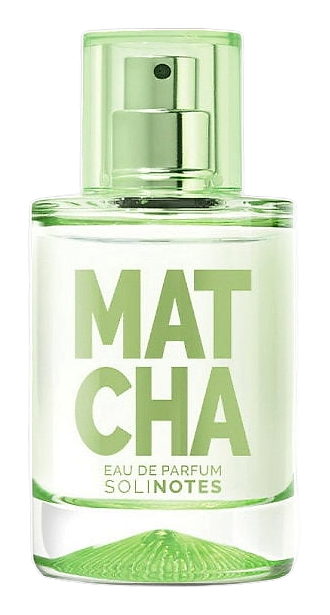
    Solinotes is a French fragrance house that builds its catalogue around single-note creations. Each scent isolates one aromatic idea – a citr…More

    France·Est. 2008·Site

    4.3

    Rating

    Just Landed

    New Arrivals

    The latest additions to the Solinotes collection.

    37
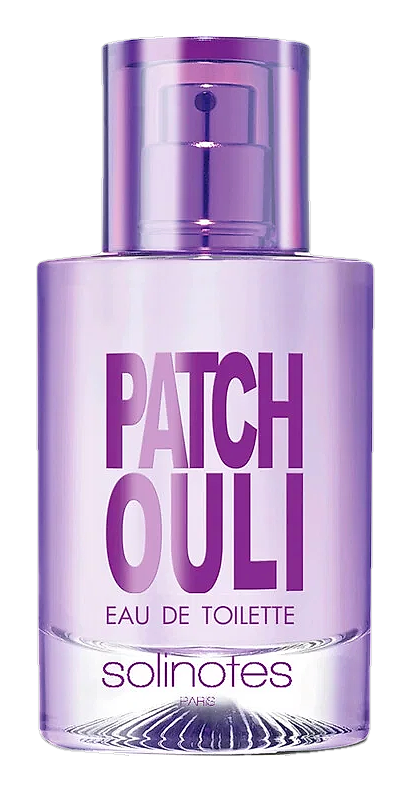
    Patchouli by Solinotes
    Best Seller
    4.3

    Patchouli

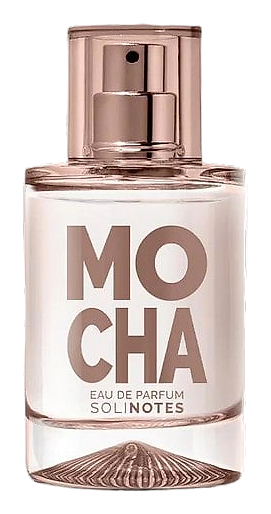
    Mocha by Solinotes
    NewBest Seller
    4.5

    Mocha

    Ambre by Solinotes
    Best Seller
    4.2

    Ambre

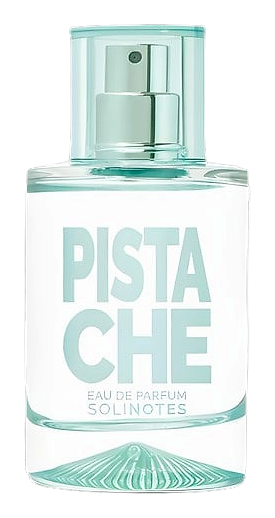
    Pistache by Solinotes
    New
    4.1

    Pistache

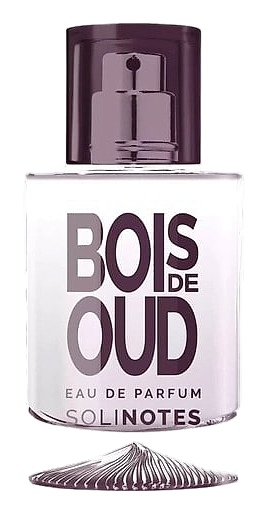
    Bois de Oud by Solinotes
    4.1

    Bois de Oud

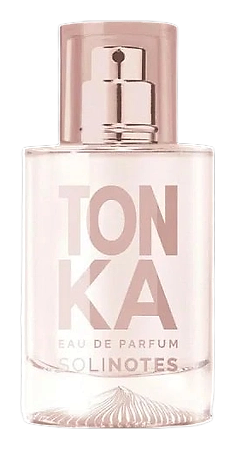
    Tonka by Solinotes
    4.0

    Tonka

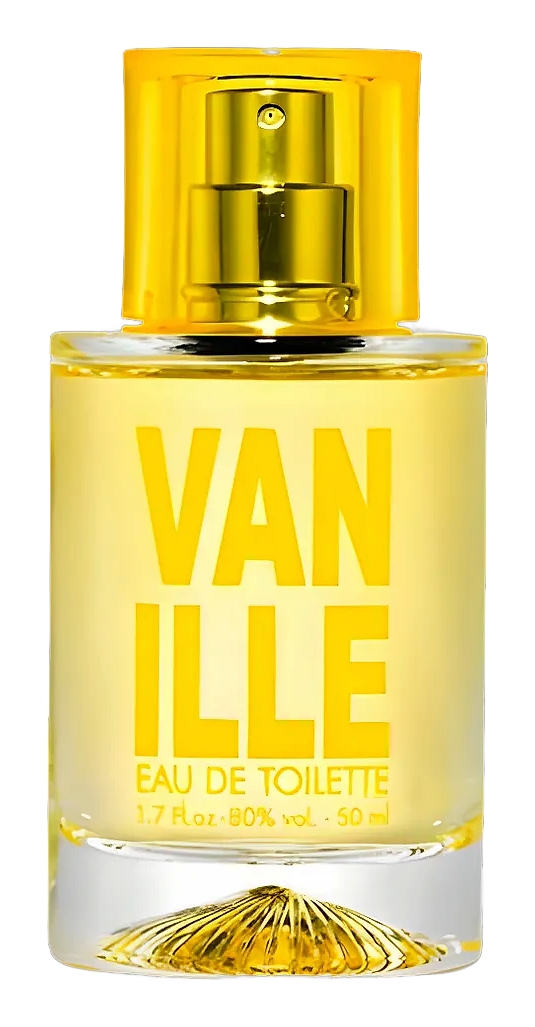
    Vanille by Solinotes
    4.0

    Vanille

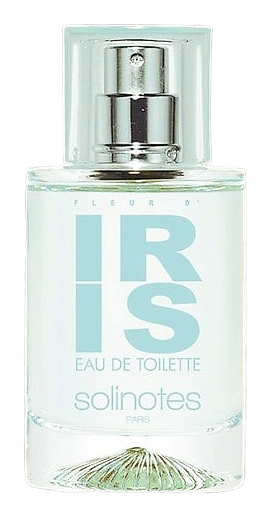
    Fleur d'Iris by Solinotes
    4.0

    Fleur d'Iris

    Santal by Solinotes
    3.9

    Santal

    The Blanc by Solinotes
    3.9

    The Blanc

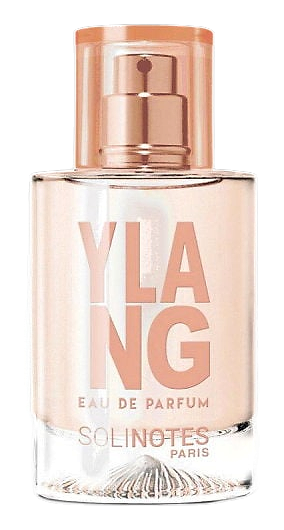
    Ylang Ylang Blossom by Solinotes
    3.9

    Ylang Ylang Blossom

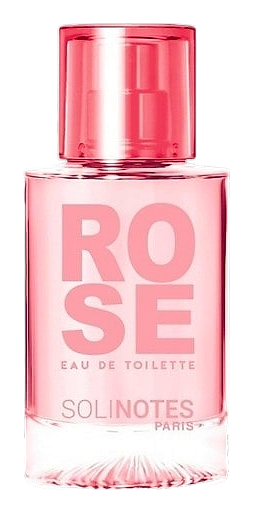
    Rose by Solinotes
    3.9

    Rose

    1 of 4

    The Heritage

    The Story of Solinotes

    Solinotes is a French fragrance house that builds its catalogue around single-note creations. Each scent isolates one aromatic idea – a citrus burst, a warm amber, a green pistachio – and invites the wearer to blend the pieces into a personal accord. The brand positions the act of mixing as a playful laboratory, offering a palette that feels both approachable and sophisticated. By keeping the formulas focused, Solinotes lets the individual character of each ingredient shine, while the clear glass bottles and minimal labels reinforce a modern, uncluttered aesthetic.

    Heritage

    Julie Barretta founded Solinotes in France, reportedly in 2008, after years of work as a perfumer for larger houses. The launch introduced a line of single-note Eau de Parfums that challenged the industry’s habit of presenting complex blends as the default. Early releases such as Patchouli (2010), Vanille (2010) and Ambre (2010) demonstrated the brand’s willingness to treat traditionally heavy notes as stand‑alone statements. In 2014 the house added Fleur d'Iris, a floral that quickly became a favorite for layering with citrus or woody tones. The Blanc arrived in 2017, offering a clean, airy canvas that many users described as a “blank page” for fragrance composition. 2023 marked a dual release of Santal and Bois de Oud, expanding the range into richer, timber‑focused territory while retaining the single‑note philosophy. The following year Solinotes introduced Pistache, a bright green nut note that highlighted the brand’s experimental edge. Most recently, Mocha debuted in 2026, marrying coffee and chocolate in a single, drinkable aroma. Throughout its evolution, Solinotes has maintained a consistent focus on accessibility, encouraging consumers to become their own scent architects rather than passive buyers. The brand’s growth has been documented in independent fragrance blogs and community rankings, which note its steady addition of new notes each season.

    Craftsmanship

    Solinotes produces its fragrances in France, collaborating with established perfume laboratories that specialize in both natural extracts and high‑purity synthetics. The formulation process begins with a brief that isolates a single aromatic family, after which perfumers experiment with a limited set of supporting ingredients to ensure the focal note remains dominant. Quality control includes batch testing for consistency, stability, and compliance with EU cosmetic regulations. Many of the ingredients, such as patchouli oil or sandalwood absolute, are sourced from suppliers that hold ISO certifications for sustainable harvesting. Synthetic components, like certain aldehydes or aroma chemicals, are selected for their reproducibility and low environmental impact. The brand’s production line follows a closed‑loop system: excess solvents are reclaimed, and packaging waste is sorted for recycling. Each bottle undergoes a visual inspection before sealing, and the final product is stored in climate‑controlled warehouses to preserve the integrity of the scent over time. This combination of French craftsmanship, rigorous testing, and mindful sourcing underpins the reliability that users report when they mix multiple Solinotes notes together.

    Design Language

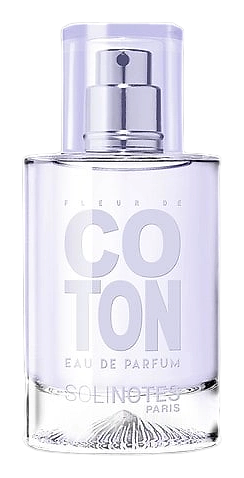
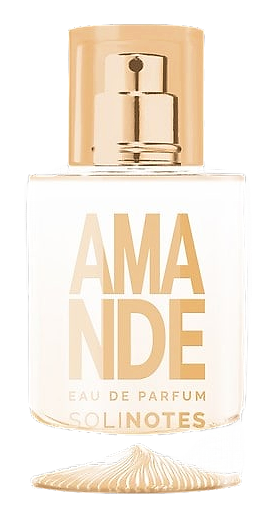
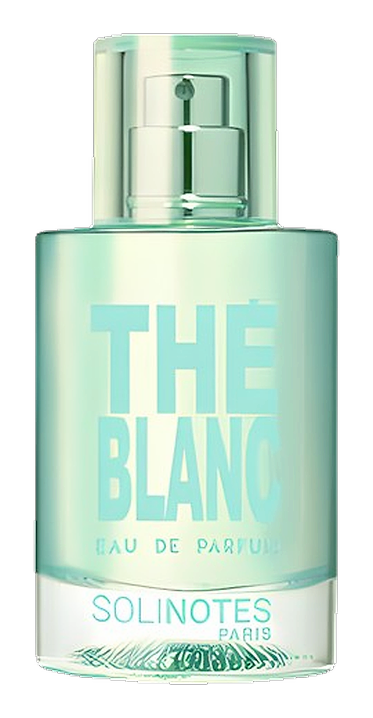
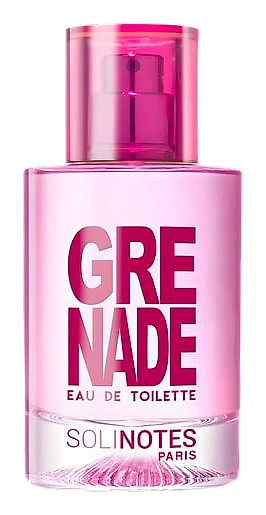
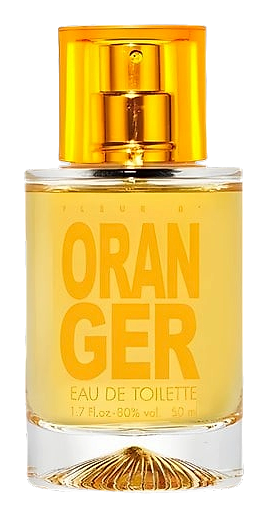
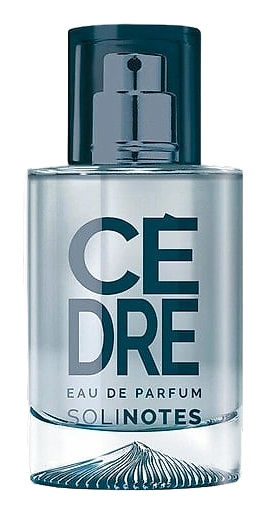
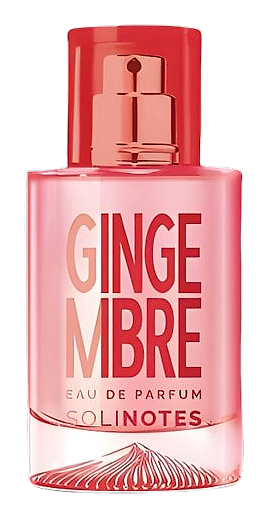
    The visual language of Solinotes mirrors its fragrance philosophy. Bottles are made of clear glass, allowing the liquid’s natural hue to be seen, and they sit on a simple, matte‑finished base that feels sturdy yet understated. Labels consist of a single bold color that corresponds to the featured note – a bright orange for citrus, a deep green for pistache, a warm amber for vanilla – paired with clean, sans‑serif typography. The brand’s logo appears in a modest size, reinforcing the idea that the scent itself, not the branding, should take center stage. Marketing imagery often shows the bottles arranged like paint tubes on a palette, reinforcing the mixing metaphor. Retail displays use neutral backgrounds and soft lighting, letting the colors of the bottles pop without distraction. This restrained design has been highlighted in independent design reviews, which note the balance between modern minimalism and a playful, laboratory‑like vibe.

    Philosophy

    According to the brand’s public statements, Solinotes treats fragrance as a modular system. The core belief is that a scent should be a starting point, not a finished portrait. This outlook encourages users to experiment, to stack a citrus note with a woody base, or to layer a sweet vanilla with a green pistachio. The company emphasizes personal expression, suggesting that the act of mixing mirrors the creativity found in other art forms. Transparency also features in its messaging; ingredient lists are presented clearly, and the brand often explains the origin of each note, whether it stems from a natural extract or a synthetic molecule. Sustainability appears in the conversation as well, with the house noting that it sources many raw materials from certified suppliers and seeks to reduce waste through refillable packaging options. The overall vision is to democratize the perfume experience, turning the traditionally exclusive world of fragrance into an interactive workshop where anyone can craft a scent that reflects their mood and identity.

    Key Milestones

    2008

    Julie Barretta launches Solinotes in France, introducing a line of single-note fragrances.

    2010

    Release of Patchouli, Vanille, and Ambre, establishing the brand’s commitment to standalone aromatic concepts.

    2014

    Fleur d'Iris debuts, expanding the portfolio into floral territory while maintaining the single-note focus.

    2017

    The Blanc arrives, offering a minimalist, versatile scent designed for layering.

    2023

    Santal and Bois de Oud launch, marking the brand’s entry into richer, timber‑based notes.

    2025

    Pistache is introduced, showcasing a bright, green nut aroma and highlighting experimental direction.

    At a Glance

    Brand profile snapshot

    Origin

    France

    Founded

    2008

    Heritage

    18

    Years active

    Collection

    1

    Fragrances released

    Avg Rating

    4.3

    Community sentiment

    Release Rhythm

    2026
    2
    2025
    2
    2024
    2
    2023
    6
    2021
    2
    2019
    3
    2018
    2
    2017
    4
    solinotes.com

    Did You Know?

    Interesting Facts

    Distinctive details and defining moments that shape the house personality.

    01

    Solinotes’ name combines the French word “sol” (sun) with “notes,” reflecting the brand’s aim to create bright, singular aromas.

    02

    The brand’s single-note approach allows users to create over 10,000 possible combinations by mixing just a handful of scents.

    03

    Julie Barretta previously worked as a perfumer for larger fragrance houses before founding Solinotes, bringing industry experience to the venture.

    04

    Solinotes offers refillable bottles in select markets, encouraging customers to reuse containers and reduce plastic waste.

    05

    The company’s fragrance library is organized like a painter’s palette, with each bottle representing a distinct color of scent.