
The Story
Why it exists.
The beginning
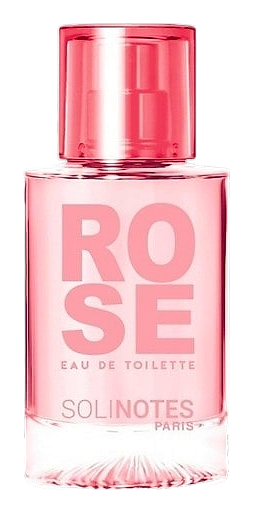
Rose arrived in 2008 from perfumer Evelyne Boulanger, and the name says everything, no mythology, no conceptual leaps. Just a rose, handled with care. Boulanger chose not to complicate it. The fragrance leans into rose's softer side, using apricot and cyclamen to keep things buoyant rather than heavy, and a warm base of cashmere wood and sandalwood to keep the whole thing grounded in comfort rather than preciousness. It's the kind of fragrance a brand makes when it trusts simplicity.
What makes Rose interesting isn't innovation, it's restraint. Rose as a material can lean sharp, jam-like, even medicinal depending on how it's used. Boulanger chose none of those directions. Instead, she went for creaminess: apricot adds a soft fruity sweetness that rounds the rose's edges, water lily brings a dewy, almost transparent quality to the heart, and the cashmere wood-sandalwood base keeps everything feeling close and warm without heaviness. White musk finishes it clean. It's rose made approachable, for someone who wants the flower without the drama.
The evolution
Rose opens bright for about fifteen minutes, bergamot does its citrus work, cyclamen adds a faint watery green, violet leaf grounds it slightly. Then the handoff happens. The rose arrives in the heart with apricot already waiting, and together they form something soft and clean, without the jamminess that puts some people off. It doesn't evolve dramatically after that. The drydown is a gentle fade into cashmere wood, sandalwood, and white musk, warm, skin-close, intimate. On fabric it lasts longer, closer to eight hours. On skin, expect four to six before it becomes a soft glow you have to lean in to find.
Cultural impact
Rose by Lulu Castagnette arrived at a moment when the French mass-market fragrance landscape was shifting toward accessible luxury. While niche and designer houses were expanding their rose offerings, Lulu Castagnette carved a distinct path by refusing complexity in favor of pure, uncomplicated femininity. The 2008 launch represented a deliberate choice to prioritize wearability over artistry, creating a scent that felt like a trusted wardrobe staple rather than a statement piece. This approach resonated with women seeking fragrance as an everyday companion rather than a special occasion accessory.