The Story
Why it exists.
The beginning
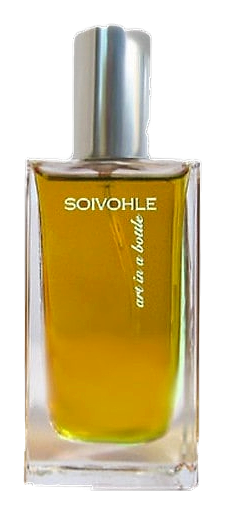
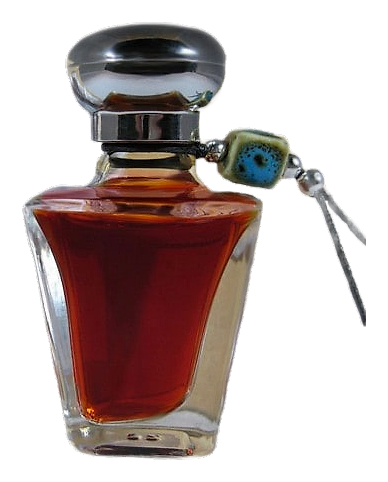
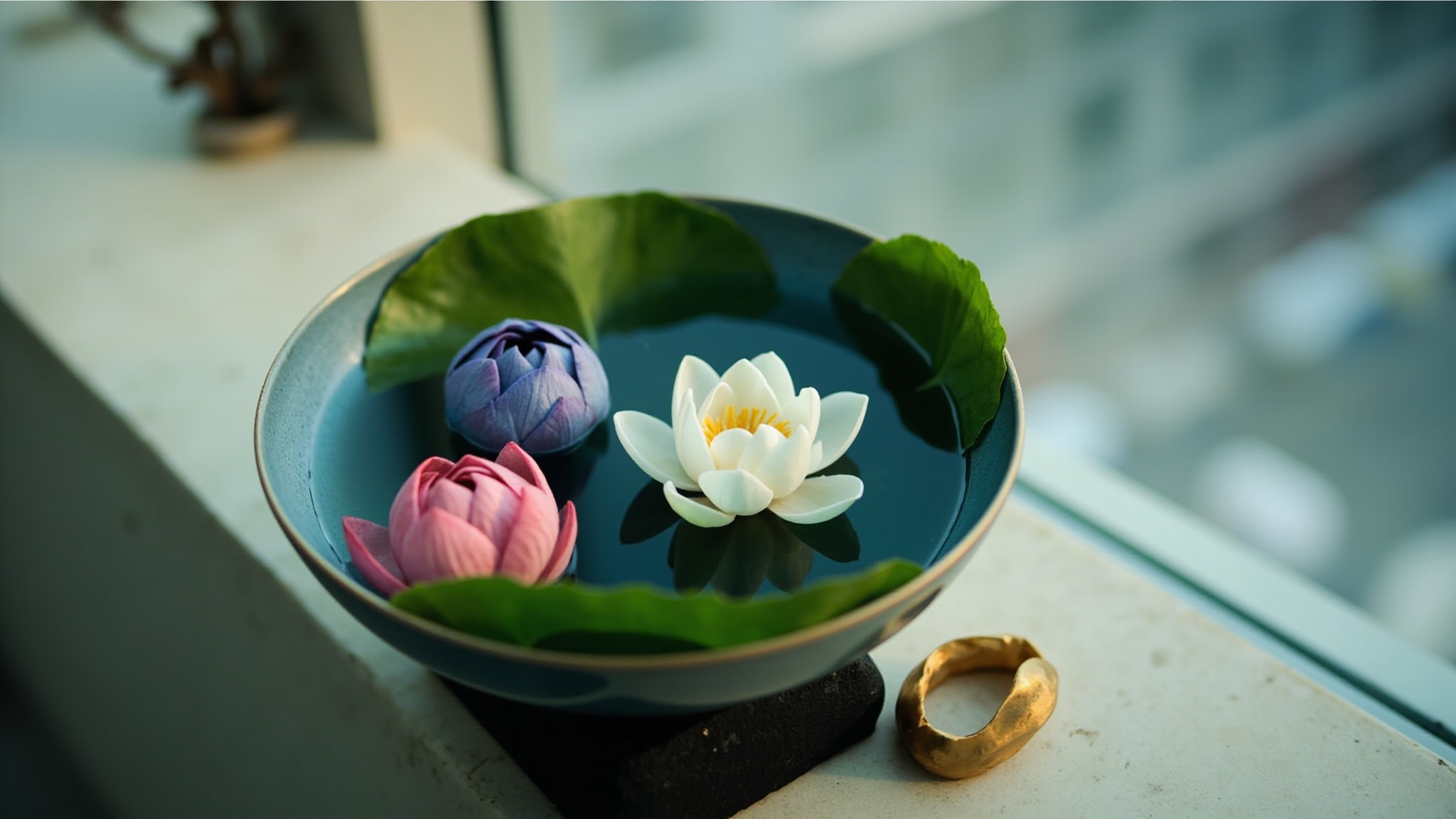
Waterflower began as an absolute. Liz Zorn's early work with botanical extractions produced a dense, almost overwhelming aquatic-floral that she shelved rather than released. Years later, she returned to the original and rebuilt it around a different idea: stillness. Instead of the pounding sensory hit of a raw absolute, she wanted something that behaved more like the memory of a lily pond than the pond itself. The 2017 relaunch relies on a trio of rare lotus extracts, pink, blue, and white, combined with the distilled oil of the pandanus flower. These are not common raw materials. They require sourcing networks and patience. Zorn has called Waterflower, of every fragrance she has composed, her personal favorite. Not for its opulence. For its restraint.
The unusual backbone of Waterflower is what makes it worth a closer look. Three true lotus absolutes appear together in a single composition, which is rare even among high-end naturals. Pandanus flower oil adds a green, slightly nutty thread that most wearers mistake for fig or coconut on first encounter. Mysore sandalwood provides the quiet anchor. The chypre accord woven through the heart uses oakmoss in defiance of the restrictions placed on natural oakmoss extracts, a quiet provocation that signals exactly where this house stands. None of the materials shout. They were never going to.
The evolution
The first fifteen minutes belong to the citruses and the beeswax. Blood orange and bergamot press in close, then the beeswax warms them into something that reads less like fruit and more like sunlight on a wooden railing. Shiso leaf adds a sharp, herbaceous cool at the edge, almost minty, almost basil. By the forty-minute mark, the lotuses arrive. They bloom rather than burst, with the pink lotus leading, the blue lotus adding an aquatic depth, and the white lotus turning everything slightly translucent. Pink pepper and clove bud stay underneath, warming the florals without weighing them down. Mimosa brings a powdery, honeyed sweetness that softens every edge. After two to three hours, the lotus accord begins to recede and the base takes over. Mysore sandalwood, ambrette seed, vanilla absolute, and the chypre accord settle into a skin-close hum. The drydown is the most intimate phase, a close-to-body warmth with a faint green mossy shadow underneath. On most skin the full arc lasts about 4-6 hours.
Cultural impact
Waterflower sits at the quiet end of the botanical-niche spectrum. Wearers describe it as spiritual and contemplative, closer to a meditation aid than a statement fragrance. Its closest community peers are other Soivohle compositions, particularly Iris Underground, which shares the house's preference for close-to-skin florals built around unusual naturals. The lotus trio and the pandanus make it difficult to compare against anything outside the house. It rewards patience over performance, which suits a wearer who treats fragrance as a private practice rather than a social signal.
The House
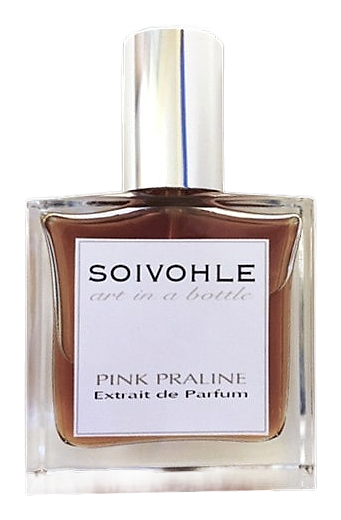
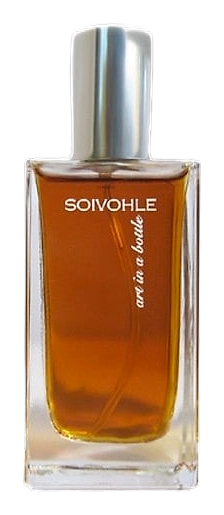
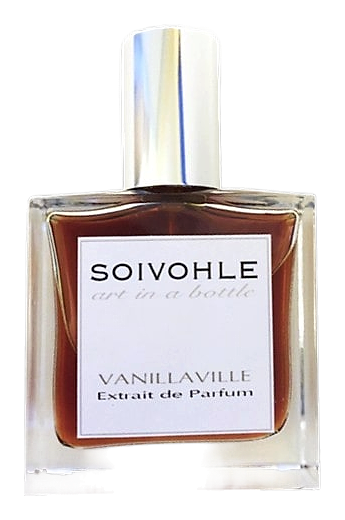
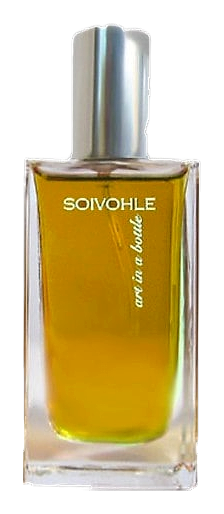
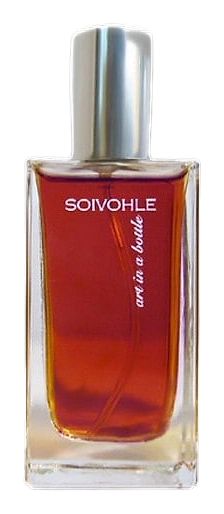
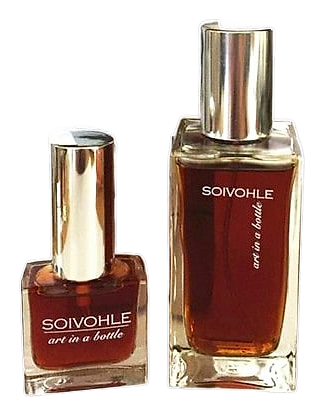
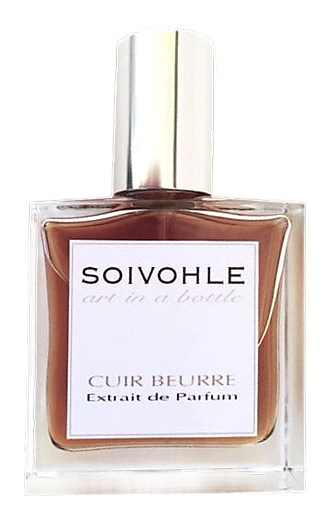
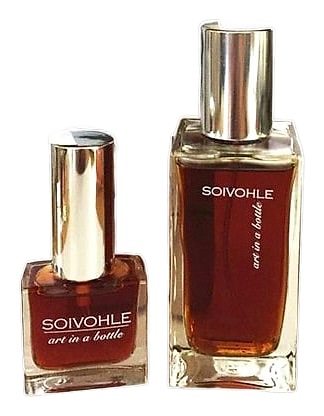
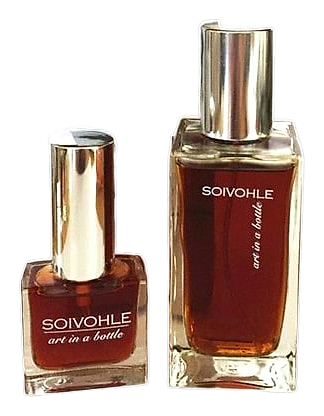
SoivohleSoivohle is an artisan perfume house founded by artist‑turned‑perfumer Liz Zorn. Since 2002 the brand has offered hand‑batched, botanical scents that are cruelty‑free and vegan. Each fragrance is presented as a small work of olfactory art, meant to be explored in intimate doses. Soivohle’s catalog includes titles such as A Rose For Beacon Free, Iris Underground (2017), and Green Oakmoss, each reflecting a balance of modern experimentation and traditional technique.
The Creator
Liz ZornZorn favors natural isolates and raw extracts, often sourcing ingredients from small farms or wild harvests. She builds fragrances in small glass vessels, allowing each addition to settle before the next, a method she describes as “painting with aroma.