
The Story
Why it exists.
The beginning
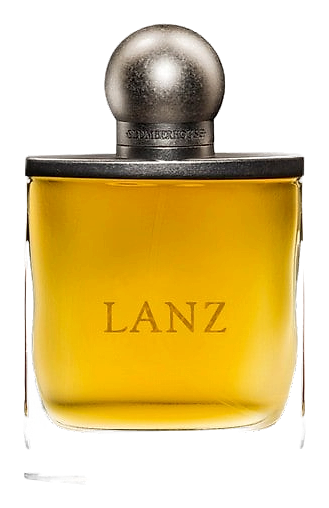
Lanz arrived in a batch so small it barely registered as a release. Only 33 bottles were made, and the details around when it entered the world remain unconfirmed in any public record. What the composition itself confirms is this: it carries the density and texture the house has become known for. Lanz sits in a rare corner of the catalog, a limited piece shaped by patient hands and presented without fanfare. The fragrance doesn't announce itself with the sharp brightness of citrus openings or the immediate sparkle of mainstream releases. It rewards close attention. The kind of attention a collector brings when something small signals something significant. Lanz isn't built for quick impressions.
What makes Lanz unusual is the collision of materials it builds from. Sandalwood and oud form a dense heart, but it's the boronia and blue lotus that give the composition a surprisingly floral, almost fruited top. Orris root adds a powdery coldness that cuts through the warmth of the sandalwood, lifting it just enough to keep the whole accord from collapsing into pure sweetness. Ambrette seed and silk vine do the quiet work underneath, a musk that's closer to skin than to anything synthetic.
The evolution
Lanz doesn't open so much as it arrives. The blue lotus and boronia surface first, but they're not bright. They read bruised, almost overripe, like the smell of dried petals pressed between old book pages. The sandalwood settles in shortly after, thick and creamy, but never smooth. The oud underneath pulls the composition somewhere darker, toward leather and resin, closer to a Cambodian oud profile with its fig-and-plum undertones than to a Middle Eastern smoky interpretation. The orris lifts the whole structure slightly, a powder that settles on the surface rather than disappearing into it. The interplay between the creamy wood and the cooler root creates a tension that holds throughout the early hours. As hours pass, Lanz quiets down without shrinking. The ambrette and silk vine come forward in the late hours, a warm musk that sits close to skin.
Cultural impact
Lanz exists at the edge of visibility, known primarily by collectors who trade information through private channels rather than public marketplaces. With only 33 bottles produced, the numbers alone create a particular kind of weight. Wearers gravitate to it for the waxed-leather, sandalwood density, a profile that resists easy categorization. The composition doesn't fit neatly into established fragrance families, borrowing elements from orientals and leathers while refusing to commit fully to either tradition.