The Story
Why it exists.
The beginning
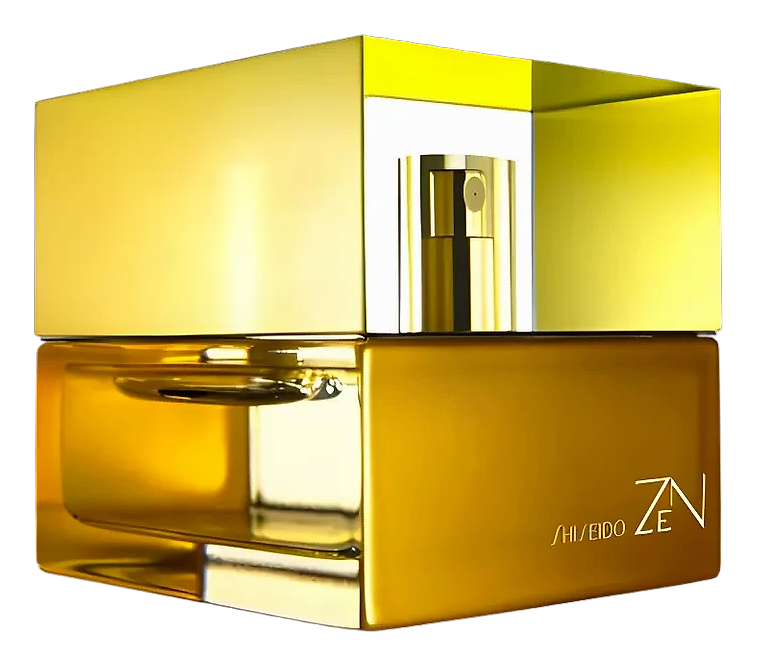
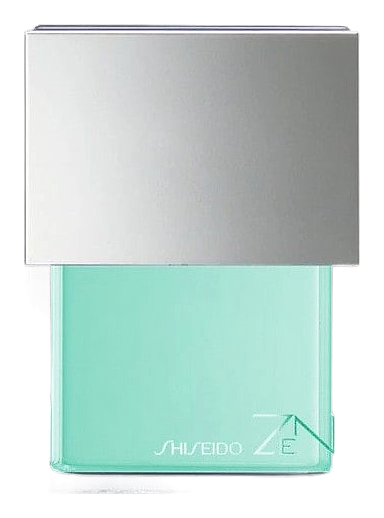
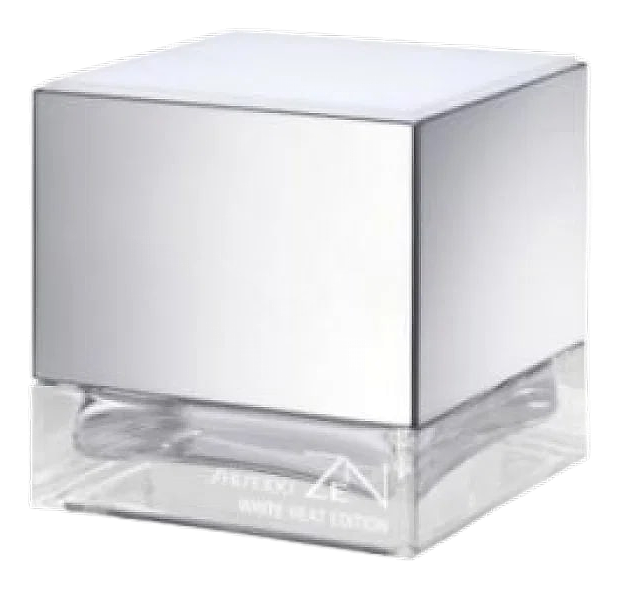
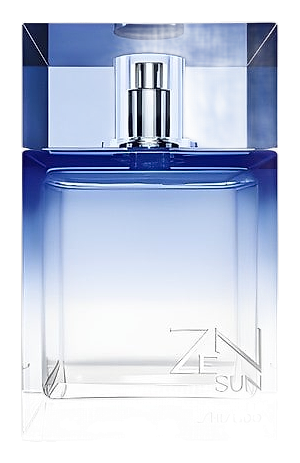
Zen for Men Sun arrived in 2013 as part of Shiseido's limited-edition solar Zen extensions. The original Zen, launched in 1964 in a black bottle, established a signature that would endure for decades. Françoise Caron was tasked with translating solar energy into scent, and she did it by leaning into the bright, the green, and the citrus-forward. The composition opens with a sparkling clarity that feels immediate and confident. Aromatic herbs lift the citrus, while a subtle fruity undertone keeps the opening from becoming sharp. This wasn't a replacement; it was a redirection of the original concept, opening the fragrance into lighter, more luminous territory.
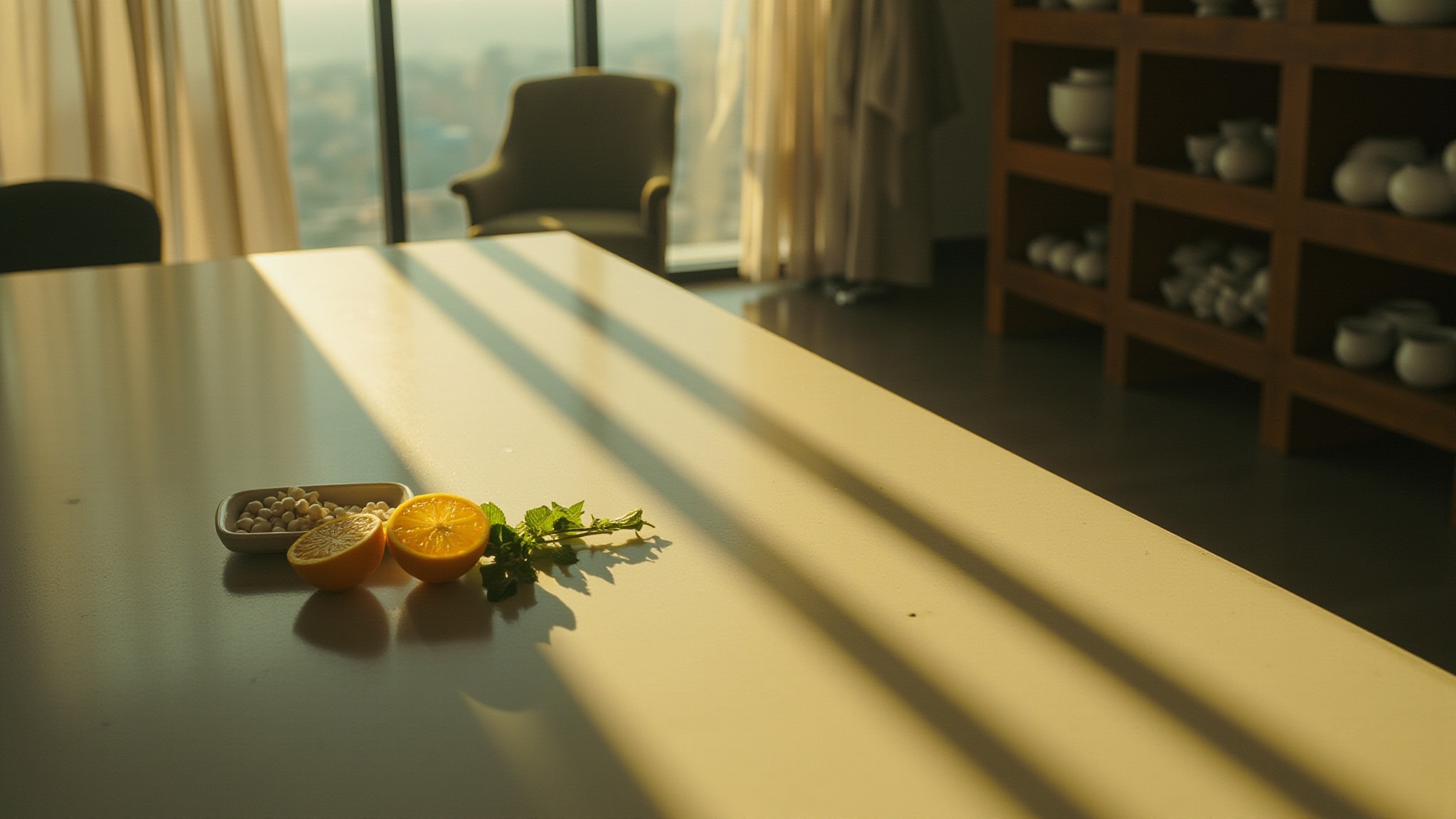
The structure is unusual for a men's fragrance: a bright, almost aromatic top accord that arrives with confidence and fades with equal grace, passing the scent to a quieter heart of violet and white pepper before settling into warm cedar. No heavy base, no long projection. Instead, the composition trusts restraint. Yuzu, the Japanese citrus, brings a distinctive character to the opening, a deliberate nod to the house's heritage. Mint adds a green lift. Nashi pear keeps the fruity character present but not sweet.
The evolution
The opening is immediate: yuzu and citrus cutting through mint, nashi pear adding a soft juiciness beneath. It reads like morning, bright, clean, no apology. The mint settles and the heart begins to show as the top accord recedes. Violet arrives with a quiet powdery elegance, white pepper following close behind with a hint of warmth that keeps things from going flat. The handoff is smooth. No cliff. The drydown is where the cedar earns its place: dry, quiet, close to the skin. Amber adds a faint warmth beneath, but this is not a sweet fragrance. It fades to something intimate, woody, calm, refined. The evolution follows a clear arc from crisp to soft to quiet. Very Shiseido.
Cultural impact
Zen for Men Sun occupies a specific niche: the limited-edition Japanese citrus fragrance for men who prefer subtlety to performance. Respected by enthusiasts for its restraint, it functions as a daytime, close-to-skin fragrance rather than a statement scent. The yuzu-forward composition brought a different character to the house's offerings, one that rewarded close attention rather than announcing itself across a room. It's a fragrance for someone who noticed it on themselves and smiled.
The House
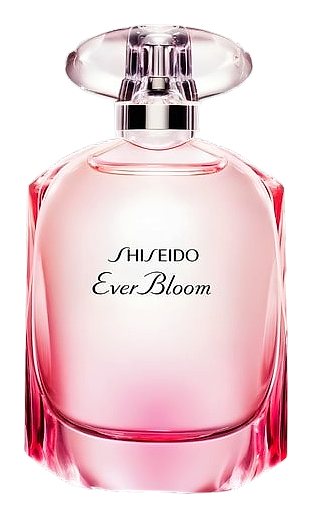
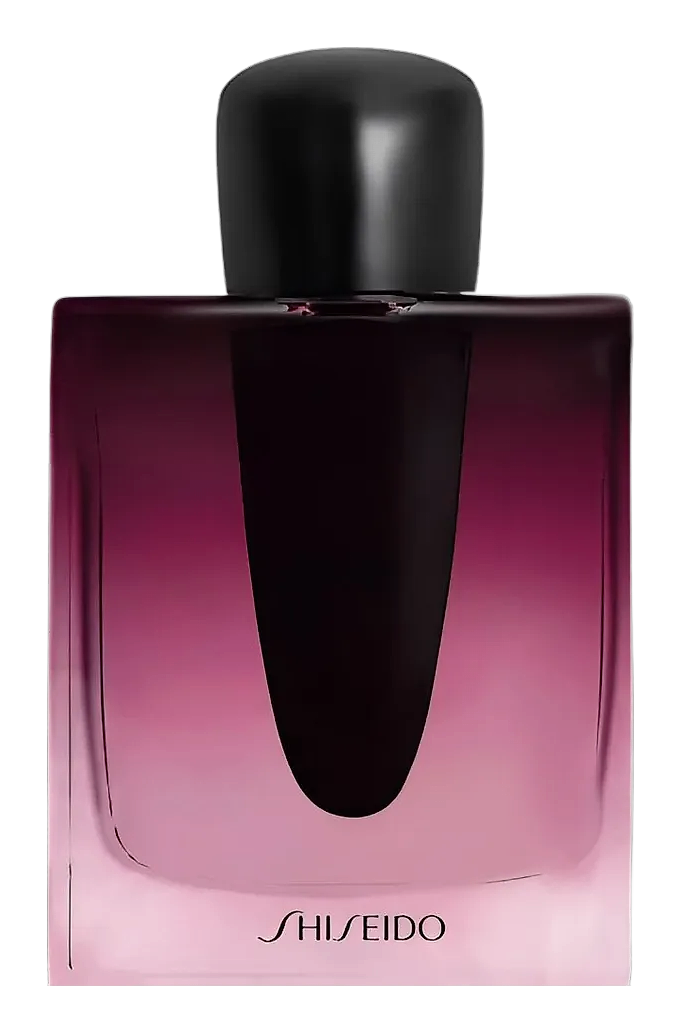
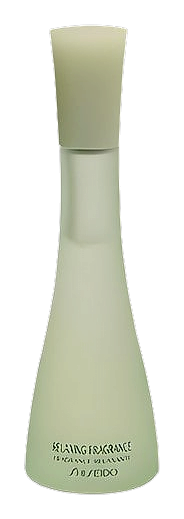
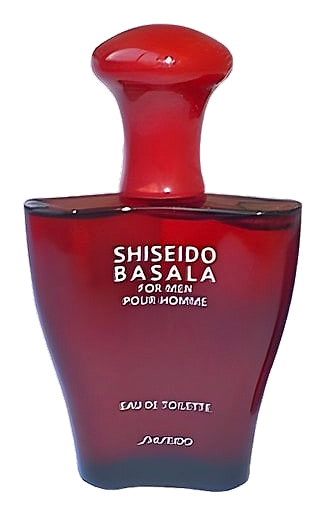
ShiseidoShiseido is a Japanese fragrance house that grew out of a pharmacy founded in Ginza, Tokyo in 1872. Over more than a century the brand has turned scientific rigor into scented storytelling, releasing fragrances such as Inoui (1976), Bravas (1993) and Mizu no Ka (2011). Today it balances Japanese heritage with a global perfume laboratory, offering scents that feel both timeless and contemporary.
The Creator
Françoise CaronCaron gravitates toward luminous, translucent fragrances. She works comfortably with crisp citrus, transparent florals, and crisp green or aquatic notes, building structures that feel weightless rather than layered.