
The Story
Why it exists.
The beginning
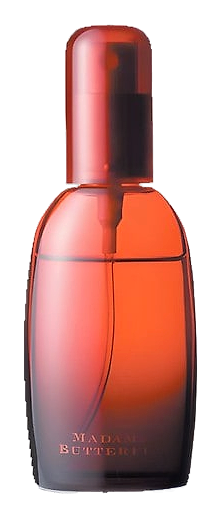
Madama Butterfly was born from collaboration between Shiseido and the Nagasaki International Tourism and Convention Association. Part of the brand's "gotōchi fragrance" (local fragrance) series, each scent in the line is dedicated to a specific Japanese region and its characteristic flora. This one draws its identity from Nagasaki, a port city where East and West have been meeting for centuries. The opera reference in the name is unmistakable. Puccini's heroine waits, transforms, and breaks. Shiseido translated that arc into scent: the innocence of cherry blossom and ume at the top, the ache of rose and violet in the heart, and a quiet dignity in the iris-musk drydown. Released in 2007, it remains a limited release. Not every Shiseido fragrance gets that treatment. The ones that do tend to carry something specific to the place they name.
What makes the composition worth paying attention to is the tension between Japanese floral tradition and the powdery iris-rose architecture borrowed from European perfumery. Ume (Japanese plum) brings a tart, almost green sourness that most Western florals skip entirely. Pair it with cherry blossom's watery delicacy and the combination reads as distinctly Japanese rather than generically floral. The raspberry in the heart is a bridge note, adding just enough sweetness to make the rose feel edible rather than soapy. And the iris in the base does heavy lifting, lending that cool, rooty powder that gives the whole composition gravity. Without it, this would float away in the first hour.
The evolution
The opening is sharp and fleeting. Ume's tartness arrives first, almost like biting into an unripe plum, followed quickly by cherry blossom's translucent sweetness. Raspberry rounds the edges and violet starts dusting everything in soft powder, the two notes weaving together like a gauzy curtain. The heart arrives with rose taking center stage, but it reads warm and lived-in rather than fresh or dewy. There's a creaminess underneath that hints at what's coming, a softness that feels more like suede than sugar. The iris shows up in its own time, bringing its cool, earthy powder that settles like dust on velvet. Sandalwood follows close behind, lending a milky warmth that keeps the whole composition from going cold or austere. White musk settles in last, creating a soft, skin-like veil that blurs everything underneath into something intimate and close.
Cultural impact
As part of Shiseido's gotōchi fragrance series, Madama Butterfly belongs to a category the brand carved out specifically for region-specific Japanese releases. The ume note does that work. It's the difference between another pretty floral and something with a sense of place, a tartness that reads unmistakably Japanese rather than generically fruity. There's a restraint to the whole composition that echoes broader Japanese fragrance sensibilities, an unwillingness to overstate or oversweeten. The iris-powder combination leans into that quiet side of perfumery, the kind of accord that feels considered rather than indulgent.