The Story
Why it exists.
The beginning
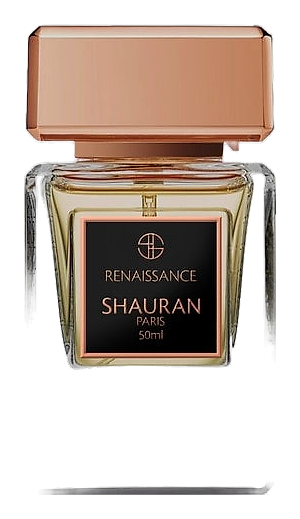
Renaissance debuted in 2021 from the house of Shauran, a release that reads like a period room reclaimed, its furniture dusted off and the windows thrown open. The name suggests a revival, but the construction moves the other direction. Forward through pepper and cardamom, then back through leather and tobacco, the composition arrives at a place that feels remembered rather than invented. There's a deliberate tension between the opening's bright, almost chilly spice attack and the dense, lived-in warmth of the base, a push and pull that gives the fragrance its particular character. The pepper doesn't simply season the composition; it frames everything that follows, setting up a contrast the leather and tobacco spend hours resolving.
What makes Renaissance worth attention is the pressure it puts on its own spice accord. Four pepper-led materials open the fragrance: cardamom, juniper, pink pepper, and white pepper. Then the heart loads leather, orris root, agarwood, and rose into the middle, a pairing that could collapse into either a barbershop warmth or an Eastern sweetness depending on the hand. Shauran pulls the center toward something drier and more cerebral, with the orris doing structural work between the spice and the leather, giving the whole thing the grain of old paper.
The evolution
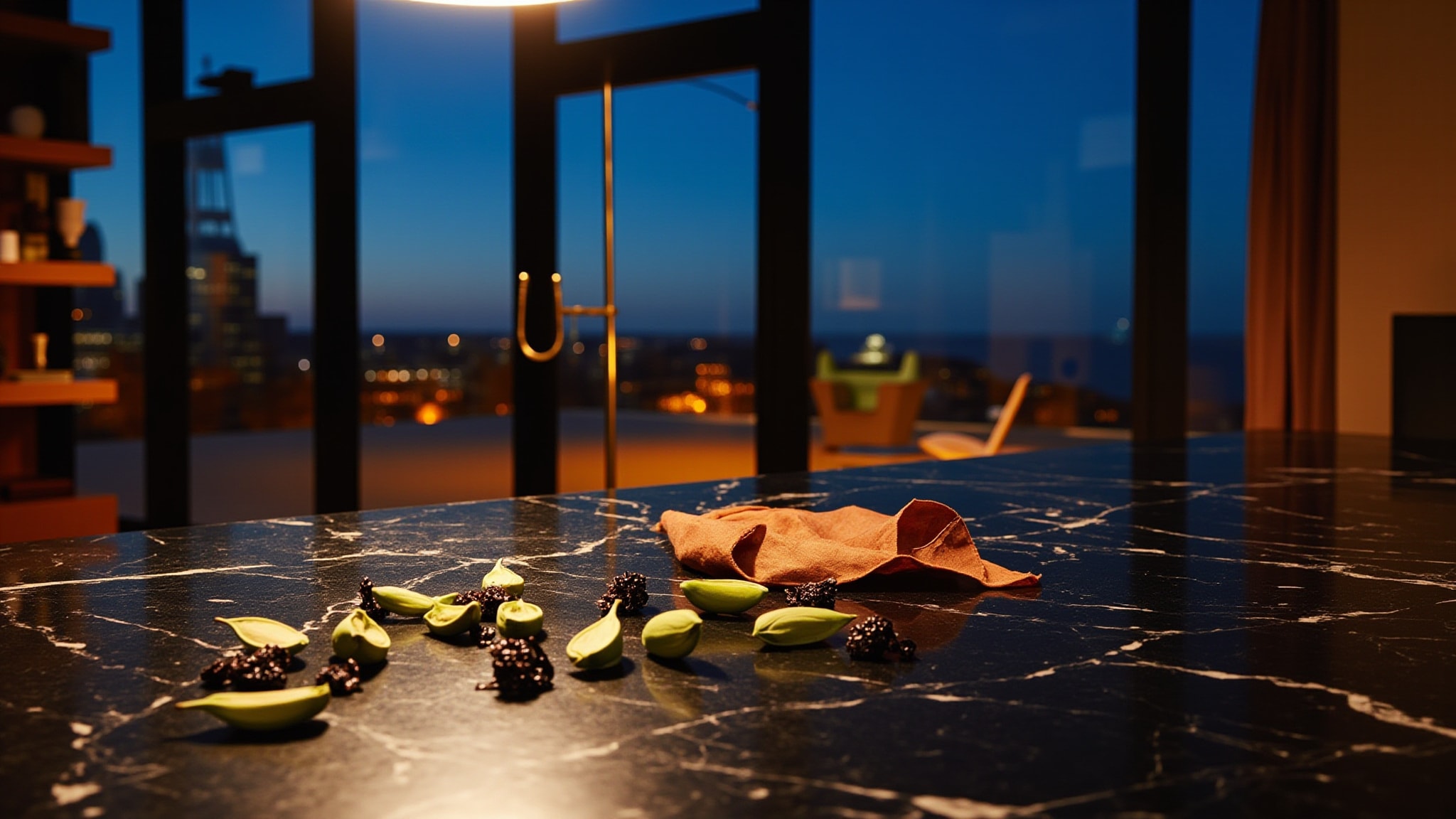
The first minutes announce themselves loudly. Cardamom and white pepper cut through cold, almost bracing, with the juniper adding a gin-clean astringency underneath. The pink pepper adds a faint fruitiness that keeps the opening from reading as purely sharp. There's nothing gentle about this entrance. As the composition settles, the leather arrives and the temperature changes, the spice pulling back into a quieter register. Orris and rose surface in the heart, and they do the interesting work of making the leather feel less like a jacket and more like the inside of a book cover. The agarwood grounds the middle, dark but not heavy, more shadow than smoke. The drydown is where this composition earns its keep. Tobacco and patchouli take over, the cedar cooling the edges, the vanilla barely audible but essential.
Cultural impact
Renaissance wears like a private library, best appreciated by those who already know what oud and orris do in the hands of a careful composer. The tobacco-vanilla drydown gives it a wider range than its spice-heavy opening suggests, opening up possibilities the first spritz doesn't hint at. It reads as a fall and winter composition, the kind of scent that earns its place in a coat pocket. The leather and tobacco make it feel grounded and cold-weather appropriate, while the pepper keeps it from going too heavy.