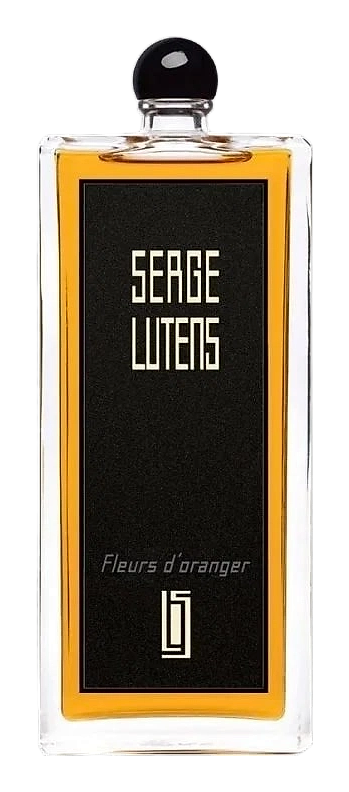
The Story
Why it exists.
The beginning
Serge Lutens has never trusted the obvious. Mandarine Mandarin arrived as a deliberate counterpoint to what a citrus fragrance should deliver. It was built not around freshness but around the idea of taking a familiar ingredient somewhere unexpected, into smoke, into warmth, into territory that challenges before it comforts. The doubled name hints at the concept: mandarine mandarin, the same thing twice, except the second time it has been transformed into something that refuses to behave like its namesake. What begins as recognizable quickly becomes mysterious, each note pulling in a direction that surprises and rewards the attentive wearer.
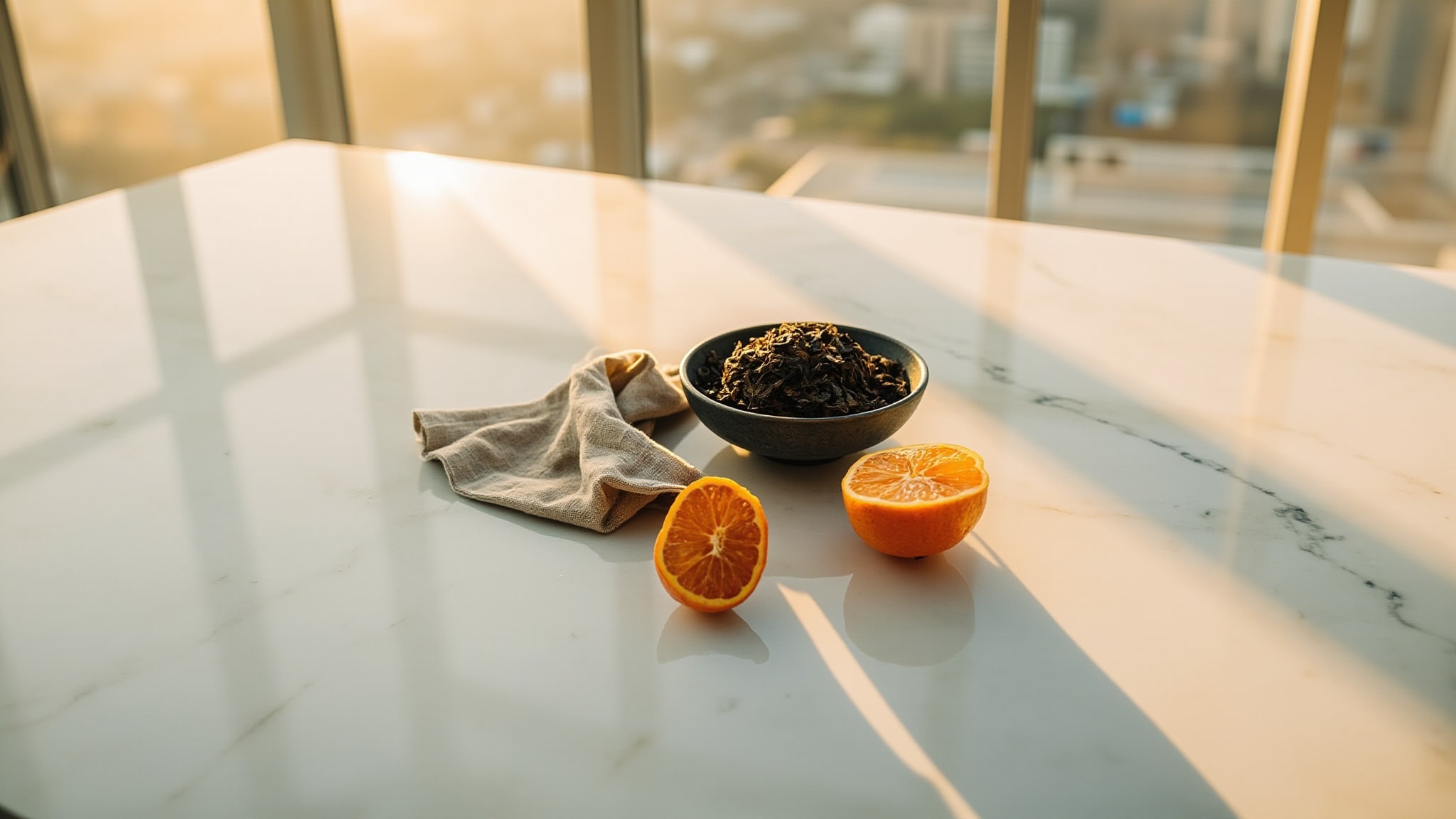
The note structure reveals the intent. Nutmeg opens with spice, not brightness. Mandarin orange arrives already candied, already transformed. Tea, specifically Lapsang Souchong, that blackest of smoky teas, provides the unexpected accord that reviewers return to again and again. The vinegar note some detect isn't accidental; it's the moment the composition refuses to play safe. Dog rose and labdanum in the base are Lutens signatures, resinous, slightly animalic, never entirely comfortable.
The evolution
The opening announces candied peel and cold floral orange blossom within seconds. Nutmeg warms the edges. Then the smoky Lapsang Souchong arrives, tea without comfort, smoke without camp, and something vinegar-sharp that makes the composition lean gourmand in an unexpected direction. Mandarin and orange pulse through the heart, but they're not the point anymore. The point is the cumin-spice underneath, the oriental twist that adds depth and complexity. Three hours in, amber and dog rose settle. The smoke doesn't disappear. It deepens, evolving alongside labdanum and tonka bean that create a warm, intimate drydown that stays close to skin for hours. The longevity is notable, with the fragrance revealing new facets as time passes.
Cultural impact
Mandarine Mandarin occupies a specific corner of the Serge Lutens catalogue: the citrus that isn't citrus, the oriental that isn't obvious. It's been discontinued, which only sharpens interest among collectors who remember it. The smoky Lapsang Souchong tea note and the unconventional vinegar-spice in the heart make it a distinctive entry in the lineup, the kind of fragrance that expands what you thought a category could contain. It speaks to those who appreciate unexpected combinations, who find joy in fragrance that refuses to follow expected paths.
The House
Serge LutensSerge Lutens reshaped the boundaries of perfumery. A photographer, makeup artist, and image-maker for Christian Dior and Shiseido before he ever blended a note, Lutens brought an artist's eye to fragrance. His house, founded under Shiseido in 2000, offers over 80 olfactory stories that resist easy categorization. These are perfumes that smell like memory, like places, like emotion itself.
The Creator
Christopher SheldrakeSheldrake's olfactive identity resists easy classification, spanning oriental grandeur, gothic florals, and translucent musks with apparent effortlessness. His Serge Lutens work particularly reveals a maximalist streak, with fragrances like Muscs Koublai Khan delivering overwh…