Dog Rose
Dog Rose brings wild elegance to fragrance, offering a fresher, greener facet than cultivated roses. Discover the untamed spirit of perfumery's most romantic flower.
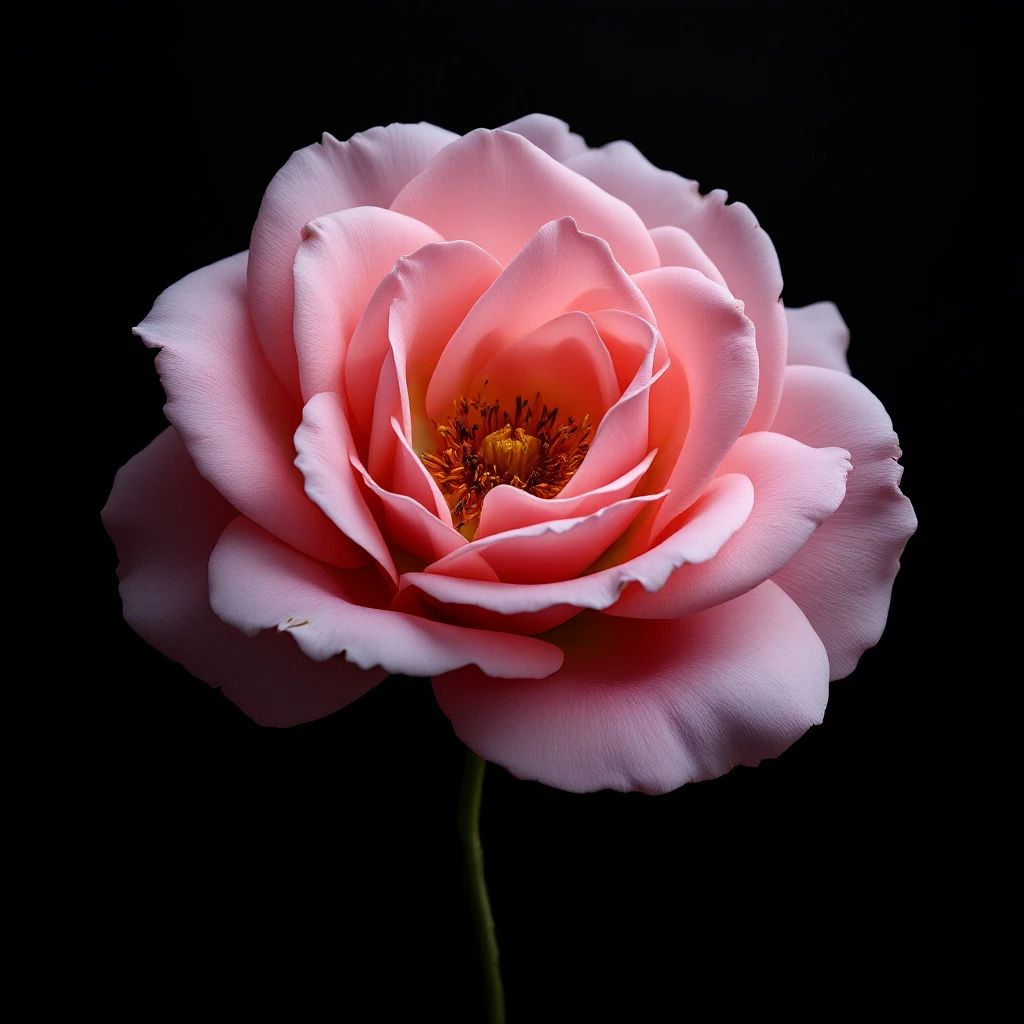
Character
How it smells
Wild rose's untamed character.
Its name stems from an old belief that rosehip tea could cure dog bites, not from any canine connection to the plant itself.






Origin
United Kingdom
Rosa canina has grown wild across Europe and western Asia for millennia, naturalized in hedgerows and woodland edges since before recorded history. Ancient Greeks and Romans gathered wild rose petals for fragrant garlands and ceremonial use, though they prized cultivated varieties more highly for perfumery. The name Dog Rose carries echoes of medieval herbal medicine, when people believed the root could treat bites from rabid dogs.
Throughout centuries of European folk tradition, the plant's Vitamin C-rich hips sustained communities through winter, brewed into preserves and medicinal tonics. Only in recent decades have perfumers begun exploring this wild ancestor as a source of green, fresh rose material that offers something genuinely different from the heavily hybridized roses of commercial cultivation.
Wears it best
Fragrances featuring Dog Rose
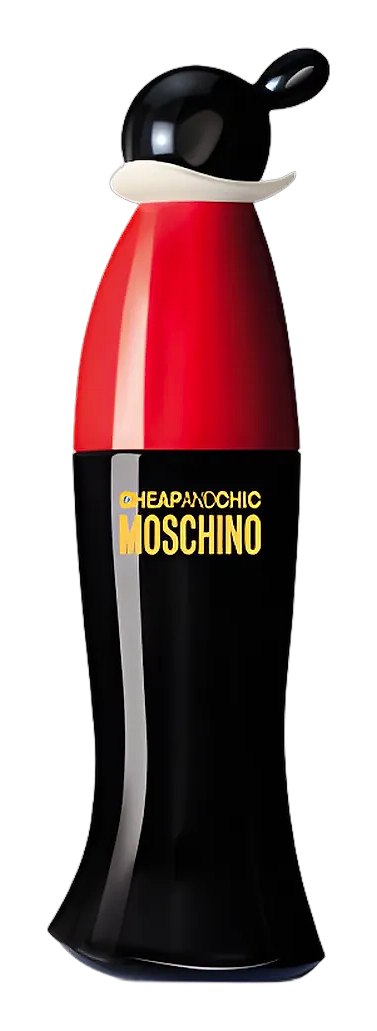

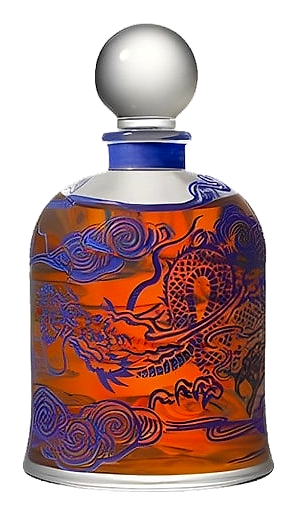
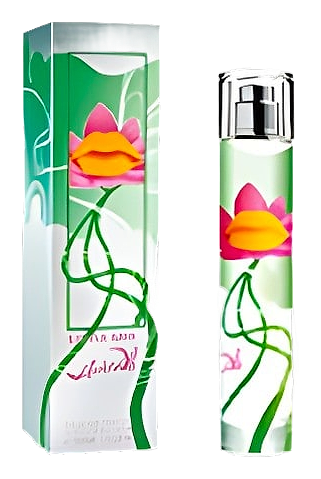
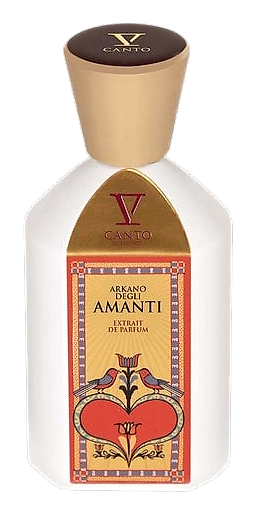
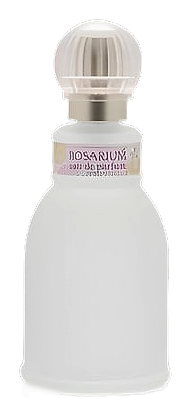
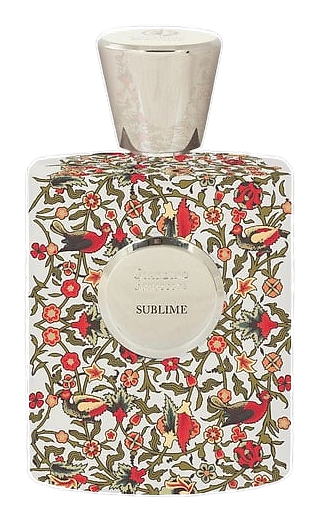
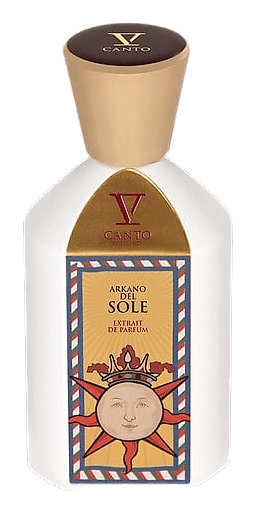
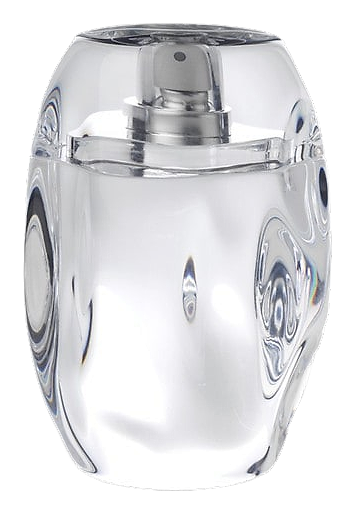
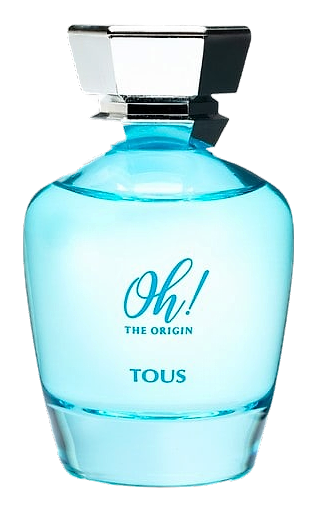
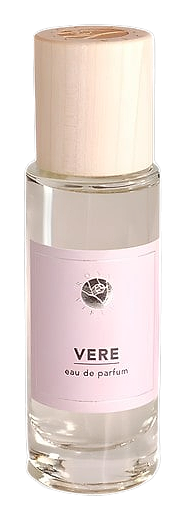
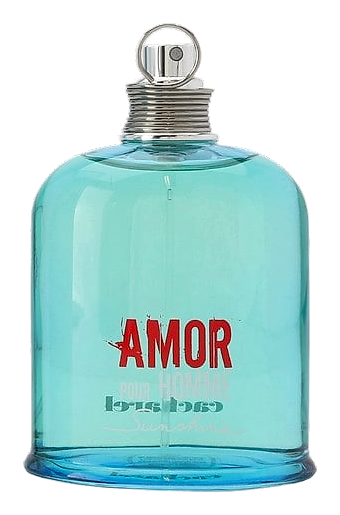
Brands
Brands known for Dog Rose
Good to know
Questions, answered
The essentials on Dog Rose in perfumery: how it smells, where it comes from, and how it behaves on skin.
What does Dog Rose smell like in fragrance?
Dog Rose absolute carries a fresher, greener profile than cultivated roses. You will notice crisp floral notes with a vegetal, almost apple-like brightness and a subtle tartness that feels spontaneous rather than cultivated.
Is Dog Rose used often in perfumery?
Dog Rose appears less frequently than damask rose, primarily because wild roses yield less fragrance material. When included, it typically serves as a supporting note that adds freshness and natural character to rose compositions.
How is Dog Rose different from Damask Rose?
Damask Rose offers rich, honeyed warmth with deep floral depth. Dog Rose delivers a lighter, wilder character with green, slightly tart qualities that feel more spontaneous and less romanticized.
What part of the Dog Rose plant is used in perfumery?
Perfumery extracts Dog Rose from the fresh petals, harvested in early summer when blooms reach full openness. The petals contain the aromatic compounds that perfumers seek.
Does Dog Rose grow wild or cultivated?
Dog Rose grows wild across Europe and western Asia, thriving in hedgerows and woodland margins without human cultivation. This wild growth contributes to its distinctive, untamed aromatic profile.
Why is it called Dog Rose?
Historical records suggest the name dates to medieval Europe, when herbalists believed rosehip preparations could treat bites from rabid dogs. The etymology reflects old medicinal folklore rather than the flower's characteristics.
What extraction method produces Dog Rose absolute?
Solvent extraction yields the primary aromatic material from Dog Rose petals. This method captures the delicate floral compounds more efficiently than steam distillation, which suits the lighter volatile profile of wild roses.
Where does commercial Dog Rose material originate?
Wild Dog Rose populations span Europe from the British Isles eastward. Commercial extraction occurs primarily in regions with established rose cultivation infrastructure, though the wild species grows far more broadly than cultivated varieties.