
The Story
Why it exists.
The beginning
Nicole Farhi built her fashion house on the idea that design should serve the wearer. In 2005, she turned that philosophy over to perfumer Christian Provenzano and asked him to do the same for scent. Femme wasn't meant to announce itself. It was meant to be worn by someone who didn't need permission to exist in a room. Provenzano structured the fragrance around a tension, bright, green citrus opening against warm, gourmand depth, and let those forces push against each other rather than resolve. The result is a fragrance that feels like it was made by someone who understood that true elegance isn't about being noticed. It's about being remembered.
The structure here is unusual. Instead of a straightforward bright-to-warm arc, Femme keeps pulling against itself. The neroli and petitgrain are genuinely green, sharp, clean, almost astringent. The heart doesn't soften them so much as complicate them. Dog rose adds a tartness that's almost wild. Ylang-ylang brings cream, but tuberose brings something animal and insistent. They don't blend so much as argue. The base is where the real move happens. Dark chocolate in perfumery often reads as dessert, heavy, sweet, one-dimensional. Here, pink pepper cuts through it. Amber gives warmth without sugar. The chocolate becomes something else entirely: bitter, warm, intimate. That's the tell.
The evolution
The first twenty minutes belong to neroli and petitgrain. Bright, citrus-sharp, with petitgrain adding a slightly bitter edge that keeps everything from being pretty. There's a greenness here that feels almost botanical, like crushed stems, not florals. Slowly, almost reluctantly, the florals begin to assert themselves. Dog rose arrives first, tart and quiet. Then ylang-ylang swells beneath it, creamy and insistent. Tuberose doesn't announce itself. It seeps. The animalic quality of tuberose becomes more apparent as the heart develops, there's a warmth here that isn't sweet, more mineral than sugary. Three hours in, the florals begin to recede and the base takes over. Dark chocolate becomes the dominant note now, but it's not the chocolate of dessert. It's the chocolate of bitter warmth, deepened by amber and lifted by pink pepper. The drydown is intimate, close to the skin, almost apologetic in its sillage. It lasts into evening. On fabric, it lingers into the next day.
Cultural impact
Femme occupies a quiet space in fragrance culture, not a bestseller, not a niche curiosity, but a well-regarded option for those seeking something outside the mainstream. Released in 2005, it predates the current wave of editorial and indie fragrance interest, which may explain its relatively low profile among younger enthusiasts. It's the kind of fragrance worn by someone who discovered it years ago and keeps returning to it.
The House
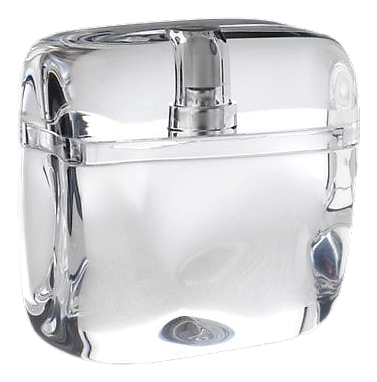
Nicole FarhiNicole Farhi began as a fashion house in London before extending its sensibility to fragrance. The perfume line, launched in 2005, mirrors the label’s emphasis on sculptural form and quiet elegance. Each scent is housed in a heavy glass vessel that Farhi herself designed, turning a bottle into a small work of art. The collection balances classic French perfumery with a distinctly British restraint, offering both a women’s fragrance (Femme) and a men’s counterpart (Homme) alongside later releases such as Bleu Azur and Bleu Intense. The brand’s approach feels like a natural extension of its clothing heritage, where texture, proportion and materiality guide every decision.
The Creator
Christian ProvenzanoFrom the fragrances attributed to him, a penchant for rich, opulent compositions emerges. He's likely drawn to warm, sensual notes like amber, musk, and vanilla, often paired with exotic spices and precious woods.