
The Story
Why it exists.
The beginning
Pour la Belle arrived in 2007, the year Schlossparfumerie's catalog began to expand beyond its early structured experiments. The name, French for "for the beautiful one", arrived on a German bottle, and that contrast felt deliberate. Perfumer Jean-Claude Astier had been working within the house's tradition of precise, unhurried composition, and this fragrance marked a turn toward something more layered, more opinionated about where it wanted to land. The green-chypre structure was the frame. The question was what to put inside it.
The choice of coriander and bergamot as the opening is the first tell. Coriander brings a faint soapy spice, green but also slightly animal, that bergamot sweetens without softening. The two don't simplify each other; they complicate each other, which is the point. Then the heart opens: four florals, but rose and iris dominate. Iris adds the powder. Ylang-ylang adds warmth. Jasmine adds body. Together they create something that feels floral without being fragile, a heart that knows what it wants. Oakmoss in the base is the German in the room. It grounds everything and refuses to let the florals float away into abstraction.
The evolution
Rose asserts itself first, then iris joins, and suddenly the composition is powdery in a way that feels intentional rather than accidental. The ylang-ylang adds a tropical undertone that keeps the rose from going fully classical. This is where most fragrances plateau. Pour la Belle doesn't. The oakmoss arrives at the forty-minute mark, shifting the register from floral to earthy. Patchouli follows. On fabric, the drydown can last into the next day, faint but unmistakable, like a room someone just left.
Cultural impact
Pour la Belle sits in a specific corner of the niche world: green-chypre for someone who finds most green-chypres too polite or too literal. The oakmoss presence is significant, not the quiet supporting role it often becomes in modern reformulations, but a full structural element that shapes the entire fragrance. Wearers who connect with it tend to describe it as the scent of someone who doesn't need approval. The 2007 release predates the niche boom by several years, which means it has remained relatively undiscovered by the collectors who arrived later looking for hidden gems. That obscurity is part of its appeal.
The House
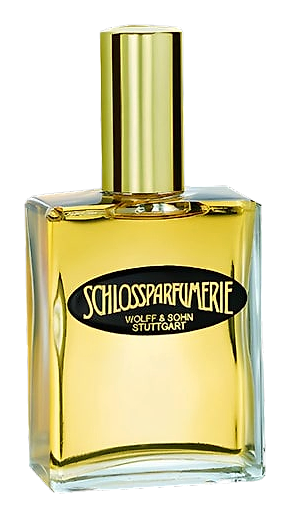
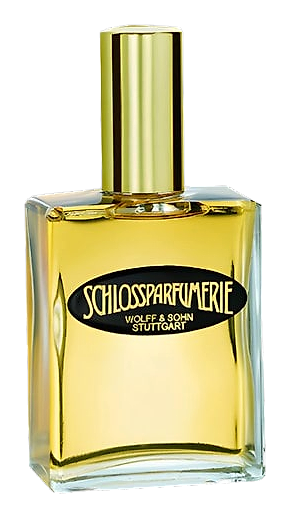
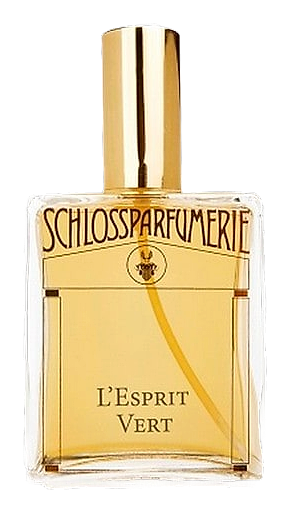
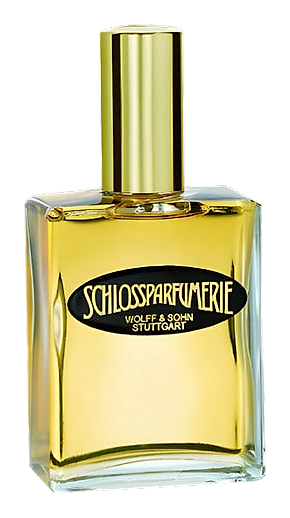
SchlossparfumerieSchlossparfumerie is a niche fragrance house that blends German precision with a love of classic perfume structures. Founded in the early 2000s, the brand offers a compact catalogue that includes scents such as H‑100 Jubilee (2014), Belle du Sud (2006) and Pyramid (2003). Each fragrance arrives in a minimalist bottle that emphasizes clarity over flash, inviting collectors to explore nuanced compositions without the clutter of overt marketing. The house positions itself as a laboratory for scent experiments, favoring balanced accords that reveal themselves over time.
The Creator
Jean-Claude AstierAstier favors natural absolutes and carefully sourced essences. He often begins with a dominant ingredient—oud, pepper, or citrus—and layers supporting facets to create depth without clutter.