The Story
Why it exists.
The beginning
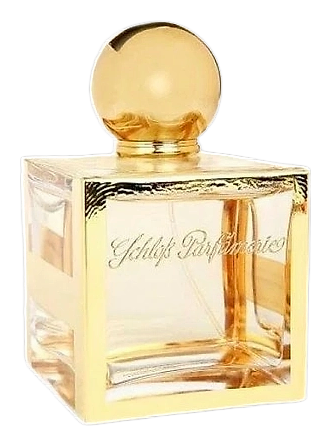
Schlossparfumerie built its catalog on restraint, not volume. Founded in Germany in 2002, the house has maintained a compact roster that never chases trends. H-100 Jubilee landed in 2014 under this philosophy, its name signaling high concentration before a single note is smelled. Perfumer Jean-Claude Astier chose clove and saffron for the opening because they refuse to apologize for themselves. There is no softening agent here, no hedione flourish to smooth the edges. What arrives is what was intended: an opening that demands engagement.
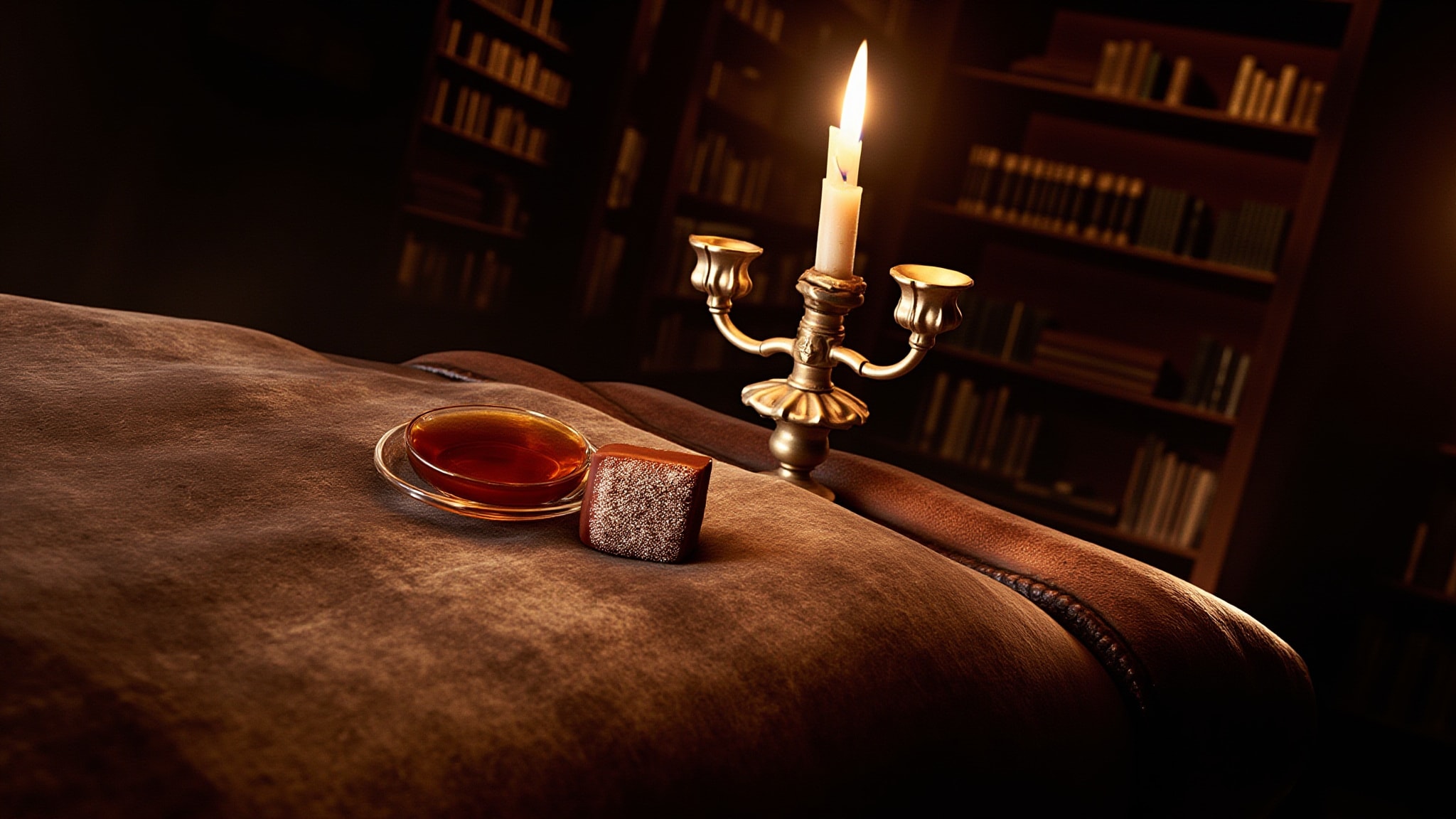
The note philosophy behind H-100 Jubilee reflects Schlossparfumerie's broader commitment to clarity over complexity. Clove and saffron open because they have natural affinity; both carry warming, slightly resinous qualities that create immediate coherence rather than clash. The honey-caramel pairing in the heart follows the same logic. Both are sweet, both are dense, but their difference in origin (bee-derived versus heat-treated sugar) gives each enough character to stand apart while still reading as a unified stage. The base expands outward, pairing vanilla with oud for warmth-and-depth, then adding cedarwood and tonka bean to ensure the finish stays grounded rather than abstract.
The evolution
The arc from opening to drydown in H-100 Jubilee is unusually linear for a niche fragrance at this price point. Clove and saffron hit first, establishing a sharp, aromatic register that does not wait for approval. As those recede, honey and caramel enter the heart, their dark sweetness tempering the spice without eliminating it. The contrast is the point. Finally, vanilla and tonka bean arrive alongside oud and cedarwood, creating a base that is simultaneously creamy and woody. The oud does not dominate; it steadies. The vanilla does not overwhelm; it softens. By the time the cedarwood settles into the skin, the fragrance has completed a full narrative arc from confrontation to comfort.
Cultural impact
The launch of H‑100 Jubilee sparked conversation among fragrance enthusiasts for its daring blend of clove and saffron, a combination rarely paired in mainstream releases. Its warm, spice‑forward opening evokes memories of traditional spice markets, while the heart of honey and caramel adds a gourmand twist that resonates with collectors seeking depth. Over the years, the scent has been cited in regional blogs as a reference point for modern oud‑centric compositions, influencing emerging houses to experiment with similar spice‑oud pairings. The fragrance’s ability to bridge heritage spice aromas with contemporary luxury has cemented its status as a cultural touchstone within niche perfumery circles, inspiring both online discourse and boutique curation strategies.