The Story
Why it exists.
The beginning
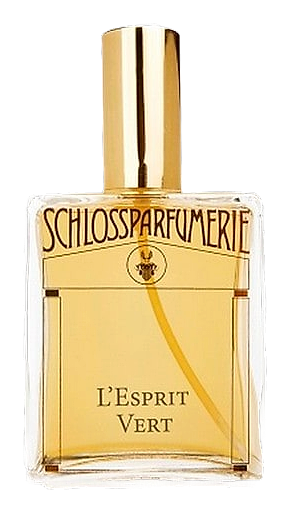
L'Esprit Vert emerged in 2015 when perfumer Jean-Claude Astier set out to rescue lavender from its dusty reputation. By then, lavender had become synonymous with grandmothers' drawers and old bar soap. Astier wanted something different, a lavender that felt contemporary without abandoning its herbal soul. He built on bright citrus and black pepper to cut through expectations, then layered geranium for green, slightly floral lift. The real work happened in the base: tonka and vanilla transformed lavender into something softer, almost edible, while white musk kept everything close to the skin.
What makes L'Esprit Vert work is its restraint. The lavender doesn't dominate, it shares the stage with lemon and bergamot in the opening, then gets cushioned by tonka and vanilla in the base. The black pepper adds just enough edge to prevent it from becoming sweet-scented talcum powder. It's an aromatic fragrance built on contrast: fresh and warm, herbal and edible, sharp and soft. The composition isn't trying to reinvent anything, it's refining what was already there.
The evolution
The opening hits fast, lemon and bergamot with a spike of black pepper that zings. Not the harsh, camphoraceous kind your grandmother might have worn. This is a gentler variety, lifted by geranium's green sweetness. They don't overpower, they round the edges, turning the lavender into something almost dessert-like. The white musk keeps it skin-close. The drydown can last into the next day on fabric, especially on wool or cotton.
Cultural impact
L'Esprit Vert entered a landscape where lavender had been largely abandoned by niche perfumery. The 2015 launch offered something for those who'd grown tired of oud and leather but wanted more substance than mainstream fresh fragrances. It occupies a middle ground, aromatic enough for those who appreciate classic structure, sweet enough for those who've moved past it.
The House
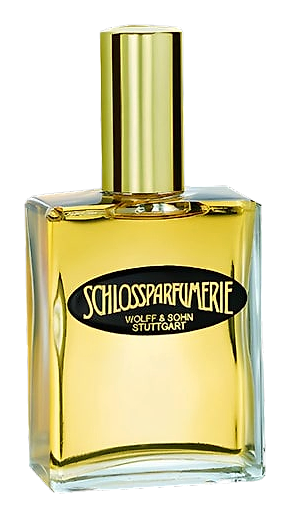
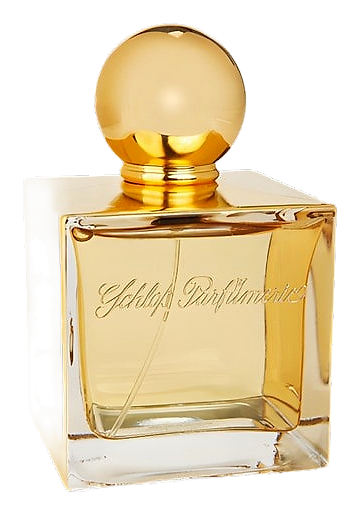
SchlossparfumerieSchlossparfumerie is a niche fragrance house that blends German precision with a love of classic perfume structures. Founded in the early 2000s, the brand offers a compact catalogue that includes scents such as H‑100 Jubilee (2014), Belle du Sud (2006) and Pyramid (2003). Each fragrance arrives in a minimalist bottle that emphasizes clarity over flash, inviting collectors to explore nuanced compositions without the clutter of overt marketing. The house positions itself as a laboratory for scent experiments, favoring balanced accords that reveal themselves over time.
The Creator
Jean-Claude AstierAstier favors natural absolutes and carefully sourced essences. He often begins with a dominant ingredient—oud, pepper, or citrus—and layers supporting facets to create depth without clutter.