The Story
Why it exists.
The beginning
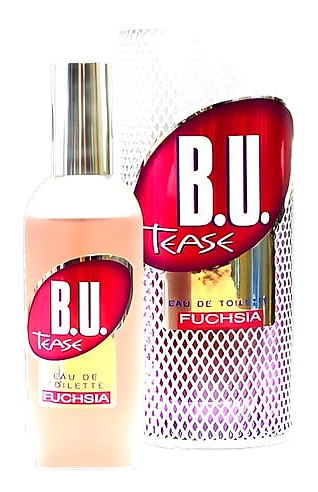
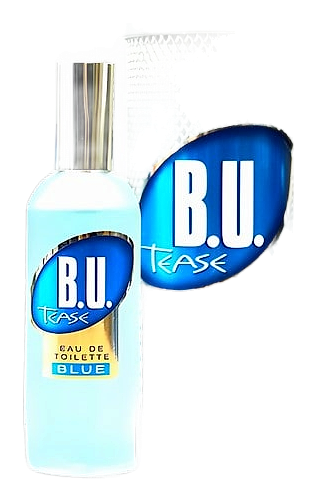
B.U. Tease Blue arrived in 2001 as part of Sarantis's colour-coded B.U. line, the brand's answer to the question of why fragrance should be reserved for special occasions. The 'Tease' in the name was deliberate: a citrus opening that suggests one thing, before the composition reveals its true character. Sarantis built its identity around self-expression rather than status signalling, and Tease Blue was the line's fruity cornerstone, a scent designed to match a particular kind of morning, not a particular kind of person.
What makes the structure interesting is how the heart notes function as a single idea rather than eight separate ones. Blackberry, peach, mango, apricot, blueberry, blackcurrant, layered together they read as 'summer fruit jam' rather than a catalogue of individual notes. The honey acts as the binder, pulling everything toward sweetness without adding its own distinct character. Then the base does something unexpected: patchouli appears alongside the expected vanilla and caramel, adding a dry, earthy counterweight that prevents the composition from becoming entirely floaty. It's a small tension, but it's what keeps the fragrance from smelling like air freshener three hours in.
The evolution
The opening is the briefest chapter. Bergamot and mandarin announce themselves for maybe fifteen minutes, clean, bright, almost astringent, before the fruit takes over completely. Once the heart arrives, it doesn't compete. The blackberry and peach dominate, with mango and blueberry filling in the spaces between. This is the longest phase, lasting two to three hours depending on skin chemistry. The drydown is where it earns its keep. Vanilla and caramel could easily have dominated, but the patchouli and amber anchor the sweetness. On fabric, the chocolate note appears late and lingers. On skin, it fades faster but leaves a warm impression that survives into the evening. The almond surfaces as a subtle marzipan quality in the final hour, not prominent, just present enough to make the drydown feel complete.
Cultural impact
B.U. Tease Blue occupied a specific niche in early-2000s British fragrance culture: affordable, cheerful, and uncomplicated. It appeared on high-street perfume shelves alongside designer releases at a fraction of the price, introducing a generation of wearers to the idea that fragrance could be swapped out like a lipstick shade. The fruity-gourmand trend it represented would explode in the following decade, but Tease Blue arrived early and stayed consistent.