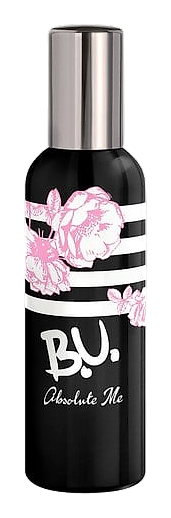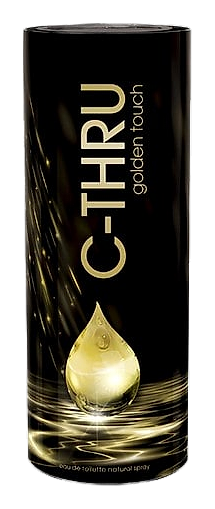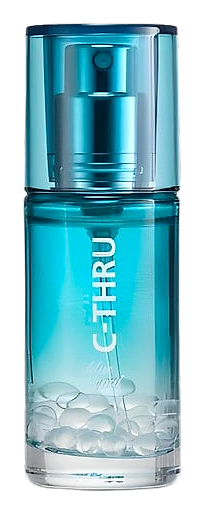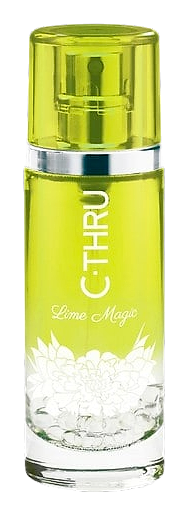


The Story
Why it exists.
The beginning
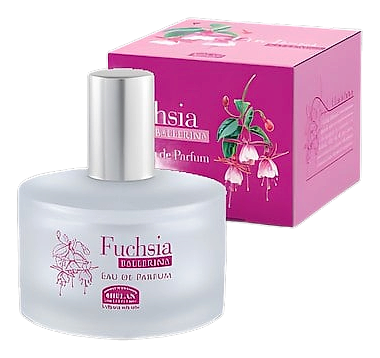
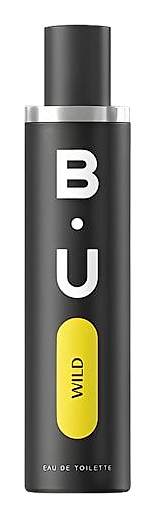
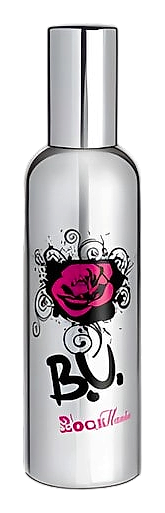
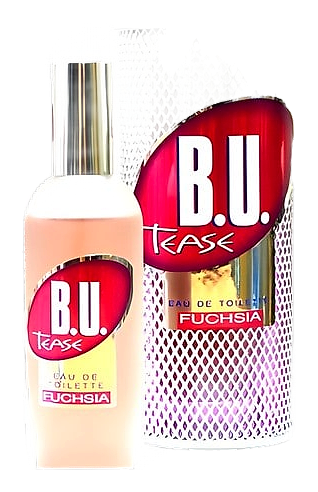
By 2001, the B.U. line had found its rhythm, colour-coded scents for colour-coded moods. But Margot Elena saw a gap. Where B.U. Tease Blue was bright and citrus-spicy, something was missing for the days that called for something softer, warmer, more openly feminine. Fuchsia was the answer: a fragrance built around the idea that sweetness isn't weakness. The brief leaned into edible florals, coconut, peach, vanilla, wrapped in powdery warmth. Not a departure from the B.U. identity, but a deliberate extension of it. Self-expression doesn't have a single register.
What makes Fuchsia work is the balance between gourmand and powdery. The coconut and peach in the opening aren't just sweet, they're juicy, almost tangy, which gives the florals something to stand on. The heliotrope and iris in the heart add that characteristic powdery softness without tipping into baby powder territory. It's the bitter almond in the base that does the real work: a faint, almost marzipan bitterness that cuts the caramel and keeps the drydown from feeling one-dimensional. The cedar underneath is minimal but present, it grounds what could be an overly sweet scent and keeps it wearable.
The evolution
The opening is the most assertive phase, coconut and peach arrive together, with bergamot providing just enough brightness to keep them from cloying. The orange blossom floats above, adding a clean floral note that tempers the sweetness. Around the 20-minute mark, the white florals take over: tuberose leads, but rose and heliotrope soften it into something rounder. The powdery quality builds gradually, almost imperceptibly. The drydown is where Fuchsia becomes itself, vanilla and caramel settle into the skin, but the bitter almond and cedar add depth. This phase lasts the longest on most skin types, the sweet warmth intimate and close rather than projecting outward. By the end, it's soft skin, not soft room.
Cultural impact
Part of the early B.U. expansion, Fuchsia arrived at a moment when accessible British fragrance was finding its voice. Where the original B.U. scents leaned into bright, youthful energy, Fuchsia represented something softer, proof that everyday fragrance could be romantic without being precious. The 75 ml EDT format kept it approachable, and the tin packaging aligned with the brand's philosophy that scent should be swapped like accessories, not saved for special occasions.
The House
SarantisSarantis is a British fragrance house that grew out of a desire to give everyday shoppers a scent experience that feels personal and playful. Since the turn of the millennium the brand has built a catalogue of colour‑coded “B.U.” (short for "Be You") scents that invite wearers to match a fragrance with a mood, a outfit or a moment. The line‑up ranges from the bright citrus of B.U. Tease Blue to the warm vanilla of BU Frangipani & Vanilla, each housed in a sleek tin that makes sampling easy and affordable without compromising on quality. Sarantis positions itself as a bridge between niche creativity and mass‑market accessibility, offering a rotating palette that keeps the fragrance drawer fresh.
The Creator
Margot ElenaThe Elena aesthetic leans romantic and slightly offbeat. Her brands favor warm florals, creamy vanillas, and unexpected gourmand notes over the clean modern styles that dominated the 2000s.