The Story
Why it exists.
The beginning
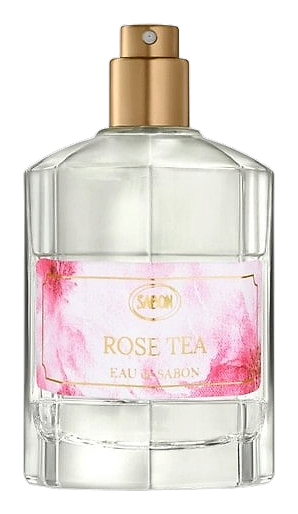
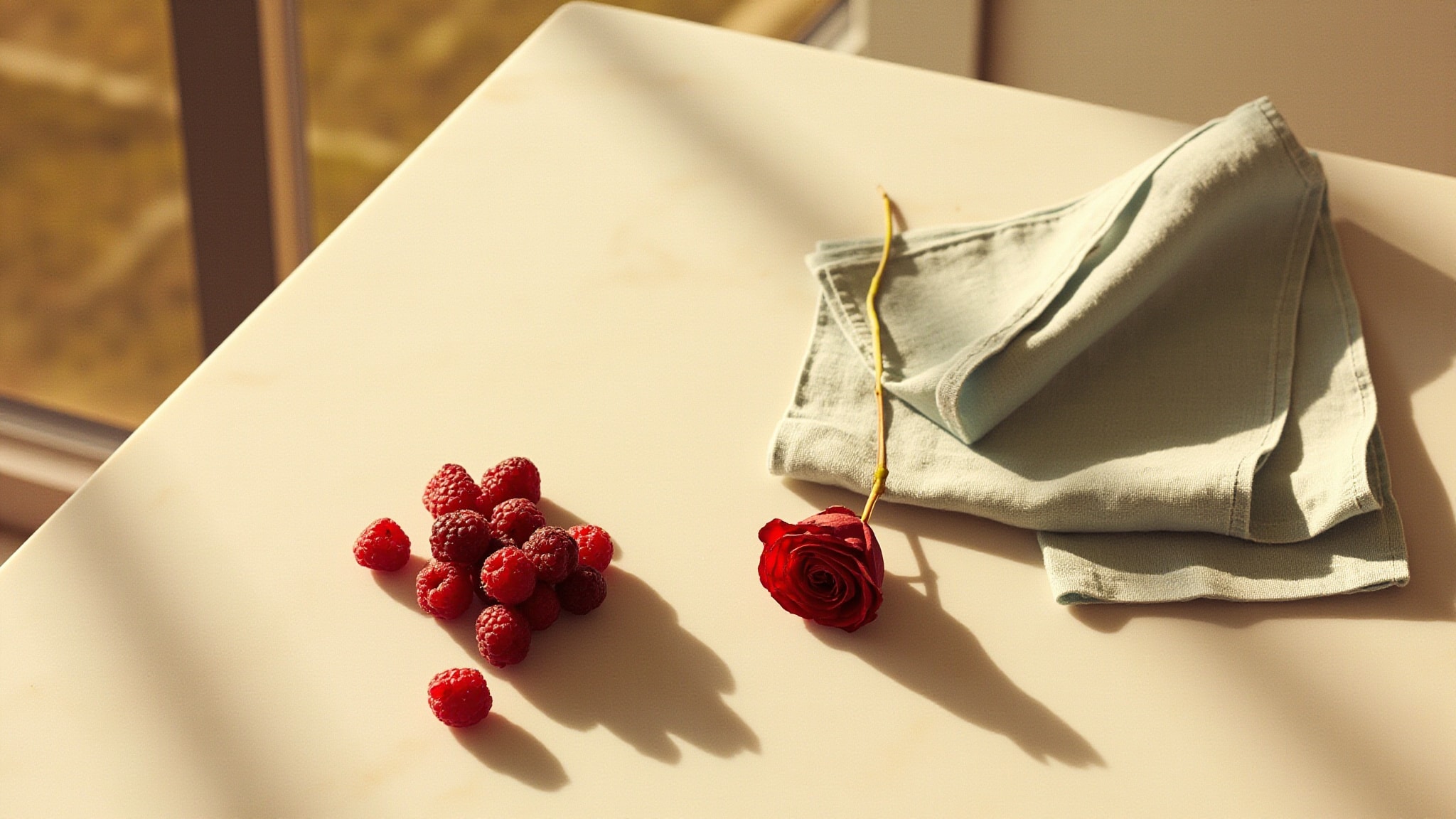
Rose Tea draws its name from the quiet ceremony of a cup steeped from petals and fruit, where rose water meets citrus peel and the air turns gentle. The scent translates that ritual mood into something wearable: unhurried, warm, slightly sweet, meant to be lingered over rather than rushed. Not a tea in the literal sense, but the feeling of one. The composition opens with a burst of fruit, raspberry, pomegranate, blackcurrant, and orange, all bringing tart brightness and lift to the first impression. At the heart, May rose and iris settle into a powdery, cool register while violet adds a soft hush, almost suede-like in its texture. The base of cedarwood, musk, and vanilla grounds everything in warmth, though the vanilla reads as a soft hum rather than a heavy dessert note.
What gives this composition its character is the balance between fruit and floral, each side holding its own without tipping the whole toward sweetness. The opening layers of raspberry, pomegranate, blackcurrant, and orange bring enough tart brightness to keep things lifted, almost like a glass of cold juice on a warm afternoon. The May rose at the heart has a particular quality here, powdery rather than jammy, cool rather than syrupy, and it sits alongside iris that adds a soft mineral hush.
The evolution
The first fifteen minutes belong entirely to the fruit. Raspberry leads, sharp and slightly candied, with pomegranate and blackcurrant underneath adding a darker, almost wine-like depth. Orange gives it lift. Then the fruit steps back, not vanishing, but softening, and the florals arrive. May rose and orris together create that distinctive powdery feel, like cool talc and crushed petals on bare skin. Violet threads through with a faint cocoa-dust quality, almost suede. The heart phase holds for a solid two to three hours, close to the skin, gentle, the kind of scent people lean closer to catch. As the afternoon stretches on, cedarwood surfaces first, dry and a little smoky, followed by a clean musk that blurs everything together. The vanilla is the last to arrive, quiet, a soft warmth that lingers on fabric well into the evening. On a sweater the next morning, there is still a trace, powdery, faintly sweet, like the ghost of the day before.
Cultural impact
Rose Tea occupies a particular space in the rose fragrance category, one defined by restraint rather than excess. The fruit opening gives it an immediate freshness that keeps the rose from reading as heavy or dated, and the powdery heart ensures it never tips into pure sweetness. The base of cedarwood, musk, and vanilla grounds it in something warm and familiar without overwhelming the lighter notes above. It's the kind of scent that works as easily for a quiet morning as it does for an evening at home, carrying enough complexity to reward close attention but never demanding the room.