The Story
Why it exists.
The beginning
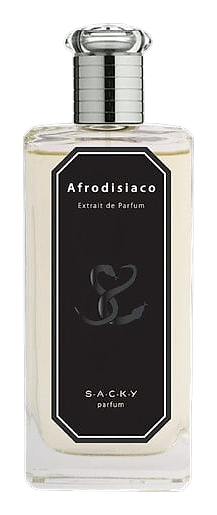
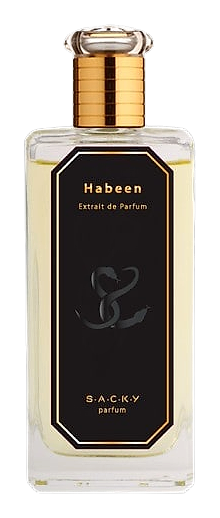
Habeen arrived in 2016, one of several compositions released by S.A.C.K.Y during a concentrated two-year window that included works like Baracat, Tasawur, Miraj, and Qaaid. The composition came from Elisavet Isabella Sacky, the perfumer behind the house. In the bottle, the fragrance opens with a bold tuberose that hits immediately, dense and creamy with that almost indolic warmth the flower carries at full volume. A coconut accent softens the edges and pulls the composition toward something warmer, almost milky, while the floral heart keeps its presence front and center. As it wears, the drydown settles into a softer, skin-close trail where the tropical sweetness recedes and a quiet, vanillic warmth takes over.
What makes Habeen stand apart is the sheer density of its white floral heart. Tiare, Madagascar tuberose, Grasse jasmine, and lily all appear alongside monoi oil, an unusual concentration of tropical and classical florals in a single composition. That monoi adds a fatty, sun-warmed texture that transforms the bouquet from something delicate into something almost sculptural.
The evolution
Born from S.A.C.K.Y's concentrated 2016-2017 output window of roughly ten compositions, Habeen opens with a sharp green-galbanum accord before the iris root unfolds into violet powder. The composition thickens as Damask rose and Madagascar tuberose climb through the heart, then a sun-warmed monoi and tiare structure carries the wear hours. In the final stretch, sandalwood, Madagascar vanilla, oakmoss, and cedar settle into a warm, slightly resinous skin scent that lingers into the next morning.
Cultural impact
Among those who encountered Habeen, the fragrance reads as a bold, unapologetic white floral with a generous, almost creamy warmth from its supporting notes. The tuberose takes the lead and refuses to apologize for itself, projecting with confidence in the opening before softening into a more intimate skin scent over time. The coconut note lends a tropical sweetness that rounds out the indolic sharpness of the tuberose, while the vanilla base gives the drydown a quiet, lasting sweetness that lingers well into the evening.