





Heritage
A house, in its own words
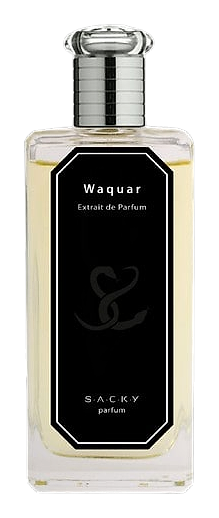
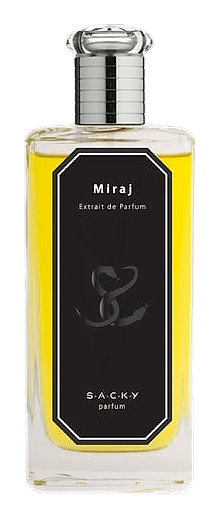
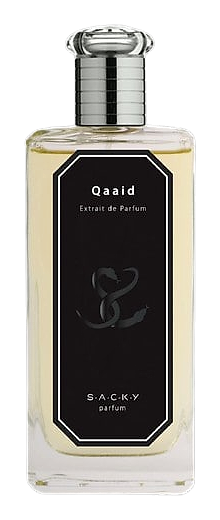
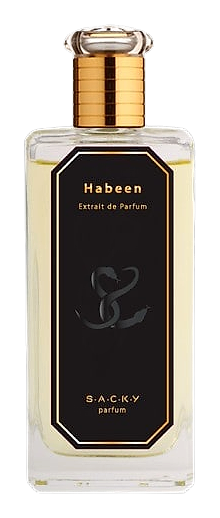
The available record regarding S.A.C.K.Y's heritage is sparse, making definitive statements about the brand's origins challenging. The house appears to have emerged within the niche fragrance landscape during the mid-2010s, with all identified fragrance releases occurring in 2016 and 2017. This concentrated release window suggests either a short operational period or a deliberate strategy of limited, curated output rather than ongoing production. The naming conventions employed across the fragrance catalog demonstrate consistent linguistic choices, with names derived from or evocative of Arabic vocabulary. Baracat, Tasawur, Miraj, Habeen, Qaaid, and Waquar each carry meanings within Arabic linguistic frameworks, though the precise intentions behind these selections remain undocumented in accessible sources. The Amorphus series, appearing across both 2016 and 2017 releases, indicates a conceptual or thematic approach to fragrance development, potentially representing an ongoing artistic exploration within a defined aesthetic territory. No publicly available information confirms the geographic origin of the house, the identity of its creators, or its connection to any established perfume house or distribution network. The brand's presence within niche fragrance communities appears to have been primarily organic, driven by enthusiast interest rather than mainstream marketing or distribution. While no explicit philosophical statements from S.A.C.K.Y have been identified in accessible sources, the characteristics of the fragrance output offer some interpretive basis. The use of the Amorphus series as a recurring framework across multiple releases suggests an interest in conceptual continuity and thematic development over time. The term 'Amorphus' itself, derived from Greek roots meaning formless or shapeless, may indicate an artistic philosophy centered on fluidity, transformation, or resistance to fixed categorization. The companion names appended to several Amorphus releases (Fidelium, Impera, Absurdum) draw from Latin vocabulary, creating a tension or dialogue between the Greek conceptual framework and Roman linguistic markers. The standalone fragrances, with names rooted in Arabic vocabulary, suggest an engagement with Middle Eastern cultural and linguistic traditions that may inform the creative approach. The deliberate limitation of the output to approximately ten fragrances over two years indicates a quality-over-quantity orientation, where each release represents a considered creative statement rather than market-driven production. Without direct documentation of the house's stated philosophy, these observations remain interpretive rather than definitive.