
The Story
Why it exists.
The beginning
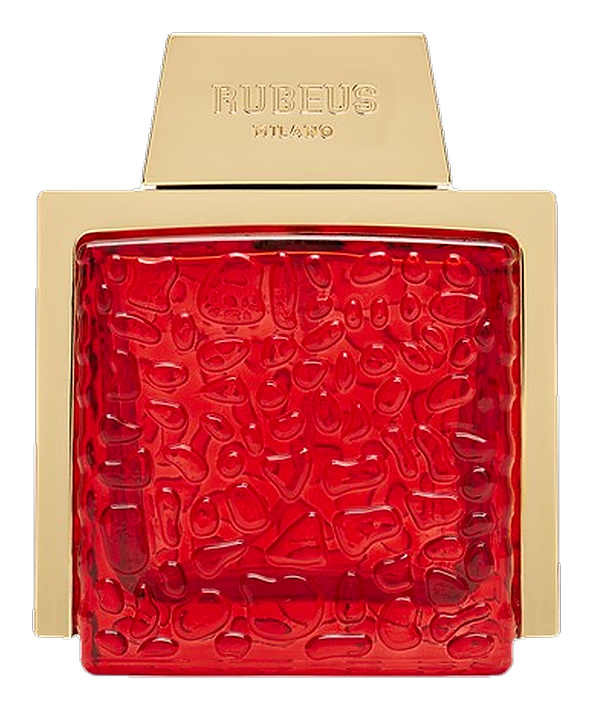
Vert was composed by Jordi Fernández for Rubeus, built around a brief centered on contrast. Not the light, sparkling kind. The kind where something beautiful turns heavy, where rose meets resin and refuses to stay pretty. The fragrance is part of the Tutti Frutti collection, and Vert's defining gesture is oud. Loud, unapologetic, and impossible to mistake for anything else on the shelf. The opening crackles with a sharp, almost medicinal brightness, the kind of green aldehyde snap that makes you sit up before the weight arrives. Rose arrives next, but not the clean, dewy petal you might expect. It deepens fast, dragged downward by a thick, almost tarry oud that sits somewhere between agarwood smoke and damp earth.
What makes Vert worth paying attention to is the collision at its center. Damask rose, one of perfumery's most romantic materials, sits directly against agarwood oud and red wine accord. The brand's own copy calls it 'the demonic aroma of the rarest oud interlaced with bright notes of damask rose and amber, spreading on the skin like tart red wine.' That's not decorative language. The composition is structured so the floral never gets the last word. The wine accord runs through the heart like a current, pulling the rose darker, pulling the oud sweeter, pulling everything toward something the nose recognizes as warm skin and late hours.
The evolution
The first ten minutes are a handshake, not an introduction. Woody notes and jasmine arrive first, almost politely, before damask rose cuts through and the whole thing tilts. The rose is vivid but bruised, already carrying the shadow of what's coming. By the thirty-minute mark, the oud has settled in and the composition stops being polite. Agarwood and red wine take over the heart, and the scent goes dense. Amber wraps around them, adding a resinous sweetness that keeps the oud from going purely medicinal. This is the phase that lasts hours. The wine accord doesn't fade so much as soak into the skin, and the rose lingers at the edges like a memory of something that happened earlier in the evening. Deep into the drydown, the base reveals itself: amber and musk, close-wearing, skin-like, with just enough oud still audible to remind you what you put on. On fabric the next morning, the musk and amber are what remain, warm and slightly sweet, like the end of a night you didn't want to leave.
Cultural impact
Vert sits within Rubeus's Tutti Frutti collection, a grouping that treats each fragrance as a single bold gesture rather than a balanced crowd-pleaser. Within the brand's own catalogue, Vert reads as one of the most assertive compositions, the kind of release that sets a clear marker for what the house is willing to attempt. It draws on a long tradition of oud-forward perfumery, particularly the style of Middle Eastern and European niche houses that treat oud as a central, sculptural material rather than a supporting accent.
The House
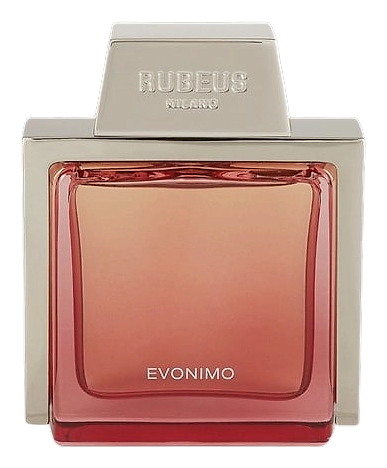
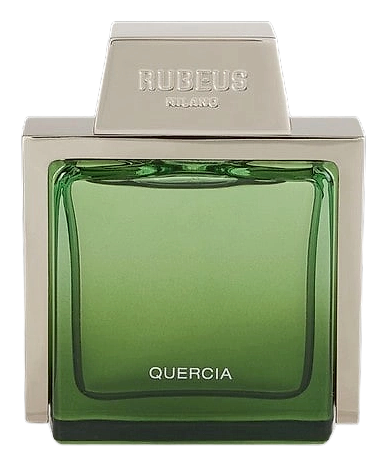
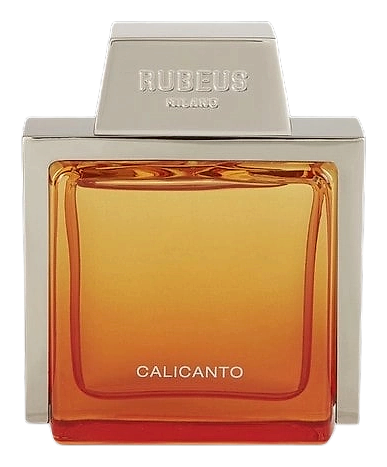
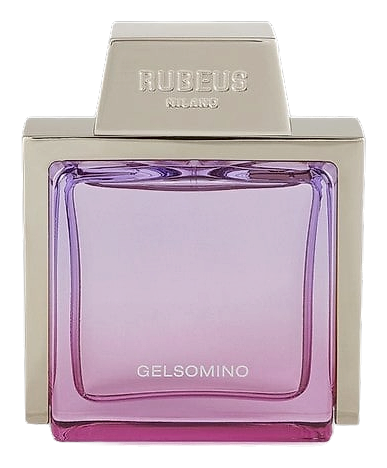
RubeusRubeus Milano creates niche fragrances that blend contemporary Italian style with a quiet confidence. Since its first launch in 2018, the house has offered a compact yet diverse catalogue, ranging from the crisp marine notes of Bleu (2019) to the warm amber of Jaune (2024). Each scent arrives in a sleek bottle that reflects the brand’s minimalist aesthetic, inviting collectors to explore a world of refined olfactory moments without the clutter of mass‑market hype.
The Creator
Jordi FernándezBased on his work, Jordi Fernández displays a penchant for complex compositions, often featuring contrasting elements that create a sense of intrigue. He seems comfortable working with both rich, opulent notes like oud and lighter, more refreshing ingredients such as fruits an…