

The Heritage
The Story of Rubeus
Rubeus Milano creates niche fragrances that blend contemporary Italian style with a quiet confidence. Since its first launch in 2018, the house has offered a compact yet diverse catalogue, ranging from the crisp marine notes of Bleu (2019) to the warm amber of Jaune (2024). Each scent arrives in a sleek bottle that reflects the brand’s minimalist aesthetic, inviting collectors to explore a world of refined olfactory moments without the clutter of mass‑market hype.
Heritage
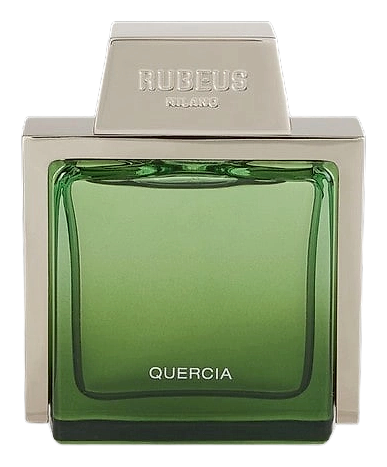
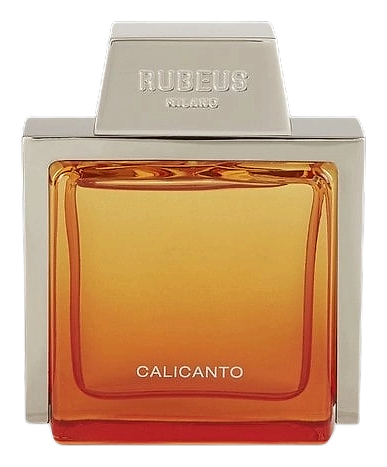
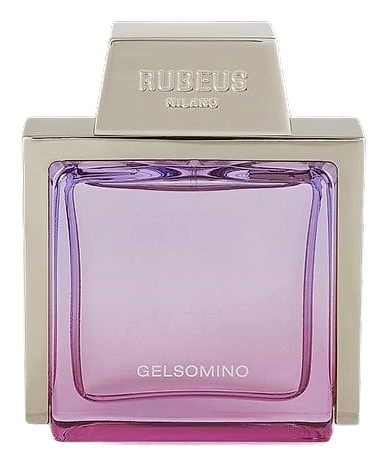
Rubeus emerged in Milan’s design district at a time when independent perfume houses were gaining traction across Europe. The brand’s earliest edition appeared in 2018, a year that saw several young creators experiment with limited‑run scents. By 2019, Rubeus released Bleu and Vert, two fragrances that quickly earned mentions in niche‑fragrance blogs for their clean composition and modern silhouette. In 2021 the house expanded its portfolio with Evonimo, Gelsomino, Quercia and Calicanto, each crafted in collaboration with emerging perfumers who shared a commitment to precision. The following year, Rubeus introduced Rouge (2018) and later, in 2024, Jaune and Rose, marking a steady cadence of releases that underscores the brand’s focus on quality over quantity. Throughout its development, Rubeus has maintained a small‑scale production model, sourcing ingredients from established European suppliers while keeping manufacturing in Italy to preserve control over the final product. The brand’s growth aligns with a broader resurgence of artisanal perfumery in Italy, where designers often cross‑pollinate between fashion, accessories and scent. Today, Rubeus stands as a modest yet respected player in the niche market, recognized by collectors for its consistent aesthetic and disciplined launch schedule.
Craftsmanship
Every Rubeus fragrance begins with a brief from the creative team, outlining the desired mood and key accords. The house then partners with perfumers such as Gaëlle Montero, who contributed to Jaune, to translate that brief into a formula. Ingredients arrive from vetted European farms and specialty labs; for example, the ambergris substitute used in Rouge comes from a certified marine source, while the citrus notes in Vert derive from Sicilian orchards. The blending process takes place in a Milanese laboratory where technicians measure each component by weight, ensuring repeatable results across batches. After blending, the mixture rests for a period of maturation, allowing volatile compounds to integrate fully. Quality control includes gas‑chromatography analysis to verify concentration levels and sensory panels that assess balance and longevity. Once approved, the perfume is transferred to hand‑filled glass bottles, each sealed with a brushed‑metal cap that matches the brand’s visual language. The final product undergoes a final inspection for clarity, scent integrity and packaging alignment before shipment. This meticulous workflow, combined with limited production runs, helps Rubeus maintain a consistent standard that appeals to discerning collectors.
Design Language
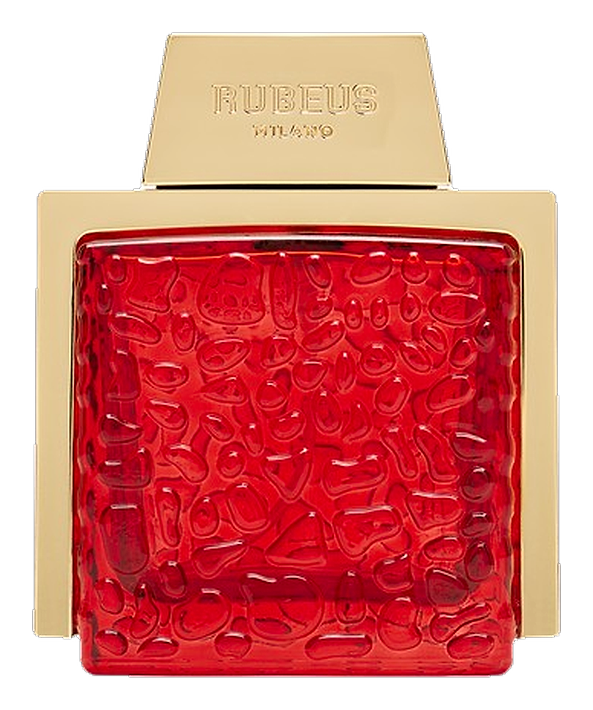
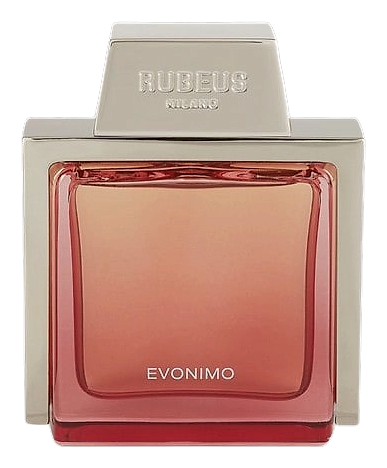
Rubeus visual identity leans toward minimalism, using a restrained color palette of muted greys, deep blues and soft neutrals. Bottle shapes echo classic Italian design, featuring clean lines, square shoulders and a subtle matte finish that catches light without glare. Caps are crafted from brushed aluminum or polished brass, depending on the fragrance family, adding a tactile contrast to the smooth glass. Labels display the brand name in a sans‑serif typeface, positioned centrally to maintain balance. Packaging boxes follow the same aesthetic, employing thick, uncoated paper that feels substantial in hand. The overall look conveys quiet confidence, inviting the wearer to focus on the scent rather than flashy branding. Marketing imagery often places the bottles against simple backdrops, highlighting texture and form, while occasional editorial spreads incorporate architectural elements from Milan to reinforce the house’s connection to its hometown.
Philosophy
Rubeus approaches perfumery as a dialogue between scent and everyday life. The team believes that a fragrance should complement a moment rather than dominate it, so it favors balanced compositions that reveal themselves gradually. Creative direction emphasizes restraint; the brand avoids overt trends, instead opting for timeless structures that can accompany a wearer across seasons. Sustainability informs ingredient choices, with the house favoring responsibly harvested raw materials and transparent supply chains. Rubeus also values the tactile experience of a perfume, designing bottles that feel as deliberate as the scents inside. The brand’s communication style mirrors this ethos, offering clear, concise narratives that focus on the scent’s character rather than hyperbolic claims. By keeping its catalogue lean, Rubeus encourages collectors to explore each release in depth, fostering a personal connection that extends beyond the initial spray.
Key Milestones
2018
Rubeus launches its first fragrance, Rouge, marking the brand’s entry into the niche market.
2019
Bleu and Vert debut, expanding the collection with marine and green accords that receive coverage in fragrance blogs.
2021
Four new scents—Evonimo, Gelsomino, Quercia, and Calicanto—release, each developed with emerging perfumers and showcasing the brand’s growing portfolio.
2024
Jaune and Rose arrive, the latest additions that illustrate Rubeus’s continued commitment to balanced, contemporary compositions.
At a Glance
Brand profile snapshot
Origin
Italy
Founded
2018
Heritage
8
Years active
Collection
2
Fragrances released
Avg Rating
4.3
Community sentiment
Release Rhythm


