
The Story
Why it exists.
The beginning
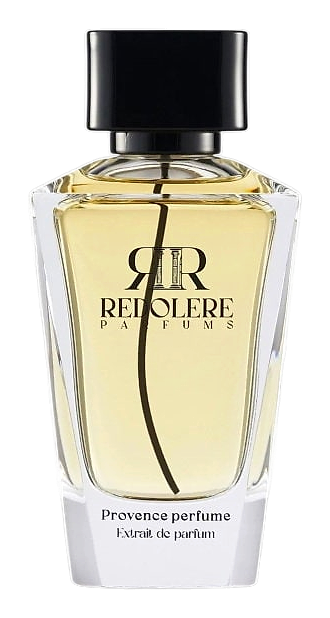
Provence Perfume arrived in 2025 as Redolere Parfums' postcard from southern France, written by perfumer Nathalie Templer. The house has built a habit of translating specific places into scent, and this one is a postcard rather than a postcard-idea: the lavender fields, the market-stall fruit, the pine-scented shadow at the edge of a stone courtyard. Templer's brief was the lived-in version of a place most fragrances render as scenery. Not the view. The morning in it.
The composition earns its 'fresh floral-woody' label, but the more interesting reading is the structural play: a spiced fruit top stacked onto a dense floral heart, anchored by dry woods and resins. Cardamom and pink pepper with pear is not a conventional Provençal opening. It's doing work that gives the lavender and orange blossom something to push against, so the florals read warm instead of cologne-cold. Templer's combination of cashmere wood and pine in the heart adds texture that's closer to a linen closet in July than a Mediterranean herb garden.
The evolution
The first ten minutes are bright and sharp. Cardamom, ginger, and pink pepper cut through the pear and mandarin like a knife through chilled fruit. There's a burst of almost-citrus heat that reads more sunlit than sweaty. Within thirty minutes, the lavender arrives, and it doesn't behave like a typical lavender. It's warm, slightly sweet from the orange blossom and jasmine underneath, and the pine note gives it a resinous backbone that smells faintly of a forest edge rather than a field. By the two-hour mark the florals have softened and the base takes over. Sandalwood and benzoin blend into something smooth and slightly powdery, with ambergris pulling it skinward. The moss and dry woods underneath keep it from going too sweet. Six hours in, what's left is a quiet vanilla-woody warmth close to the skin. Light projection by then, yes, but the drydown earns the second half of the day.
Cultural impact
Provence Perfume sits within a wave of niche releases that treat scent as travel writing, but with a slant worth noting: this one comes from a house operating outside the European capitals where the genre typically anchors itself. For wearers, the appeal is less about regional authenticity and more about whether the composition carries the heat and resin the region actually feels like in summer, not just the lavender fields on a postcard.