The Story
Why it exists.
The beginning
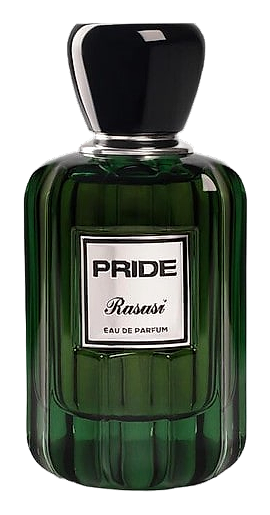
Pride arrived as part of a broader dialogue between Eastern perfumery traditions and modern unisex appeal. It's built as a study in contrasts: the brightness of mandarin against the depth of tobacco, the sweetness of honey playing against the grounded pull of moss and amber. The name says it. Pride isn't shy. It's the fragrance for the wearer who wants presence without volume, warmth without shouting. The opening is crisp and almost juicy, mandarin lifting off the skin with a quick burst that doesn't linger past the first ten minutes. As the citrus fades, the tobacco steps forward with a dry, leafy character, more hay than smoke, and the honey weaves in alongside it like a thread of golden syrup cooling on a spoon.
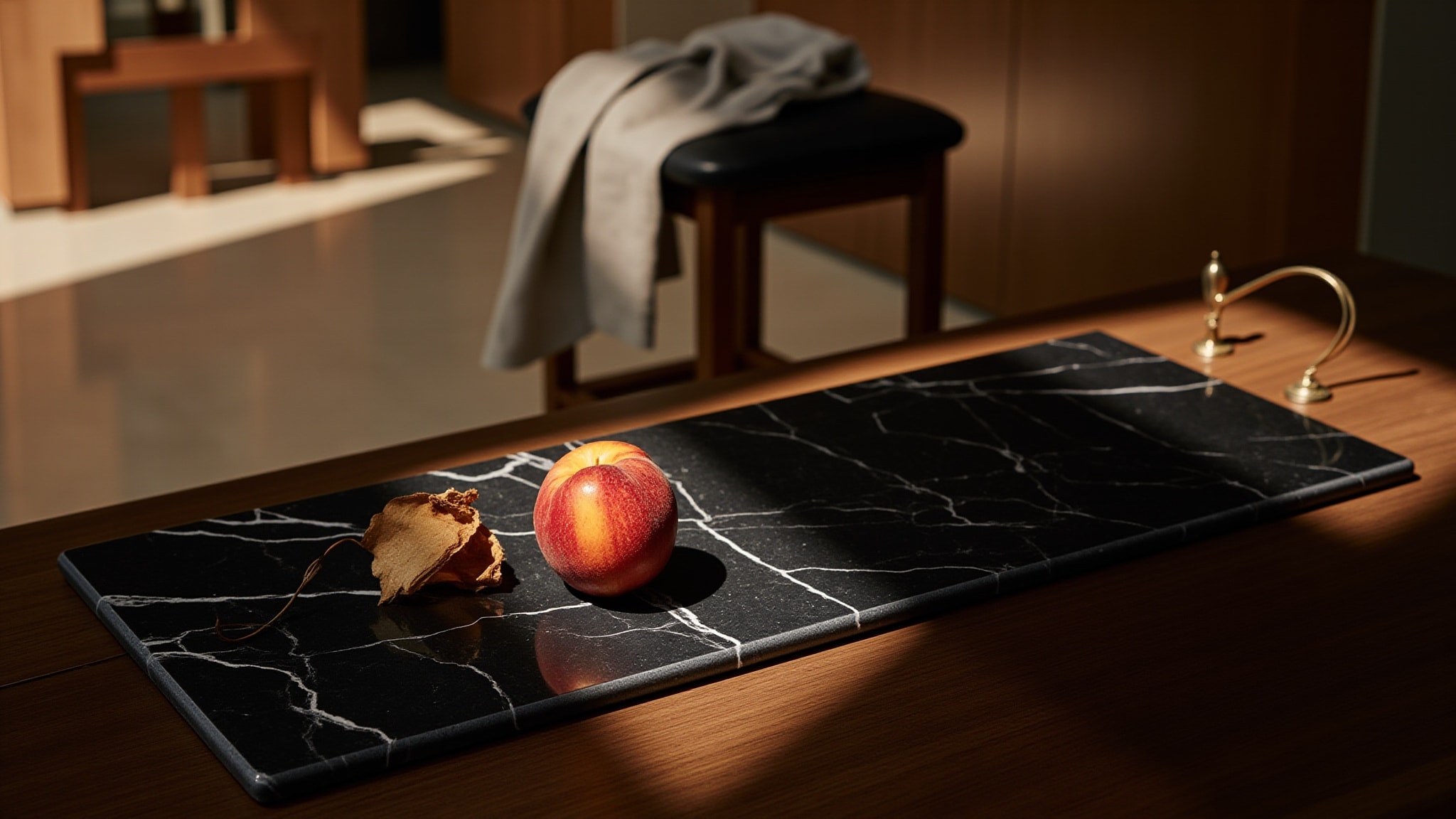
The structure here is deliberate. Mandarin and peach open with brightness that reads almost playful, a move built around lift and clarity in the top notes. The tobacco-honey heart leans into gourmand territory without tipping over, the honey giving the tobacco a sticky, almost candied edge that prevents the dry leaves from smelling like an ashtray. The interplay is careful: the sweetness tempers the tobacco, and the tobacco keeps the honey from sliding into pure sugar. From there, the moss-amber base gives it the kind of drydown that reads as skin rather than scent.
The evolution
The first ten minutes are fruit and citrus, mandarin snapping bright against the soft sweetness of peach. Don't settle into it yet. That's the opening act. The tobacco arrives somewhere around the 20-minute mark, but it doesn't arrive alone, it brings honey with it, and that combination is where Pride stops being polite and starts being interesting. The honey softens the tobacco's edges without dulling the smoke. This is the phase that lasts, through lunch, through an afternoon that runs long. Maybe three to four hours of that golden warmth, close enough to catch when you move but never overwhelming. Then the amber and moss take over. The amber deepens everything that came before, turning the honey richer, the tobacco smokier, but warmer. The moss grounds it, pulls it down to earth. By hour six the bright fruit is a memory, the tobacco has softened into something almost woody, and the amber-moss base is what stays. On fabric the next morning, it's amber. Mostly amber. A warmth that lingers like the room after someone left.
Cultural impact
Pride threads together honey, tobacco, and amber in a way that feels warm and grounded rather than heavy. Wearers describe it as the fragrance equivalent of a late-afternoon confidence, warm without trying too hard. It reads as unisex in practice, leaning slightly toward anyone who prefers their sweetness grounded by something earthy. The way the notes interact is what gives the composition its particular character: the honey lifts the tobacco, the tobacco tempers the honey, and the moss and amber underneath hold both in place so nothing floats away or sinks too low.