
The Story
Why it exists.
The beginning
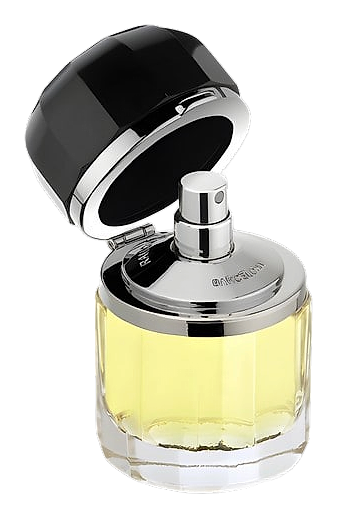
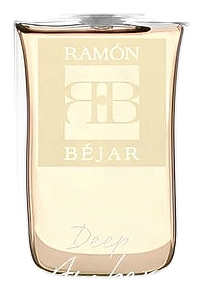
Deep Amber arrived in 2014 as one of the founding fragrances from Ramón Béjar's Barcelona atelier, part of the My Universe Privée Collection. The name says exactly what the fragrance is, not amber as a supporting player, but amber as the entire architecture. Béjar built this composition around the idea of a single accord rendered at its fullest concentration, an extrait de parfum where the amber core was the point, not the footnote. The launch year placed it squarely in a moment when niche perfumery was beginning to attract serious attention outside traditional fragrance circles, and Deep Amber found its audience among those who wanted intensity without ostentation. The original 2014 release established the house's approach: high concentration, natural materials, and a clarity of vision that didn't need to shout. It has remained in production ever since, which tells you something about how it was received.
What makes Deep Amber unusual within the amber genre is its choice of supporting materials. Rather than leaning on the expected vanilla or Tolu balsam, the composition anchors itself in vetiver, a root note with an earthy, slightly smoky character that most amber fragrances use as a base but here appears in the opening. Haitian vetiver brings a mineral coolness that cuts against the warmth of the amber core, creating a tension that keeps the fragrance from settling into sweetness. The hibiscus note is subtler still, a fleeting floral that adds a faint tartness rather than the typical romantic sweetness associated with floral notes.
The evolution
The opening lasts perhaps twenty minutes, a brief moment where vetiver's mineral quality holds the stage before the amber core begins to assert itself. By the time you reach the heart, the composition has shifted entirely: styrax and benzoin create a warm, slightly sweet resinous cloud, and the violet absolute adds a powdery softness that keeps the whole thing from becoming too heavy. This middle phase is where Deep Amber earns its name. The amber reads not as a single note but as a mood, something enveloping and warm without being cloying. By hour three, the drydown settles into a quiet persistence. The labdanum and ambrette seed create a skin-like warmth that doesn't project aggressively but stays close, almost intimate. On fabric, this phase extends considerably, the drydown can still be detected the next morning on a scarf or a pillow. On skin, expect eight to ten hours of presence, with the last two or three hours being a quiet skin scent that only someone standing very close would notice.
Cultural impact
Deep Amber emerged during a period when independent perfumery was gaining traction, and Ramón Béjar positioned it as a statement against the prevailing sweet amber trend. The fragrance predates the recent resurgence of mineral and austere interpretations, making it an early example of what would later become a recognized movement. Béjar's approach, treating amber not as a comfort note but as a structural element, aligned with broader shifts in niche perfumery toward intellectual rather than immediately pleasing compositions.