Amber Core
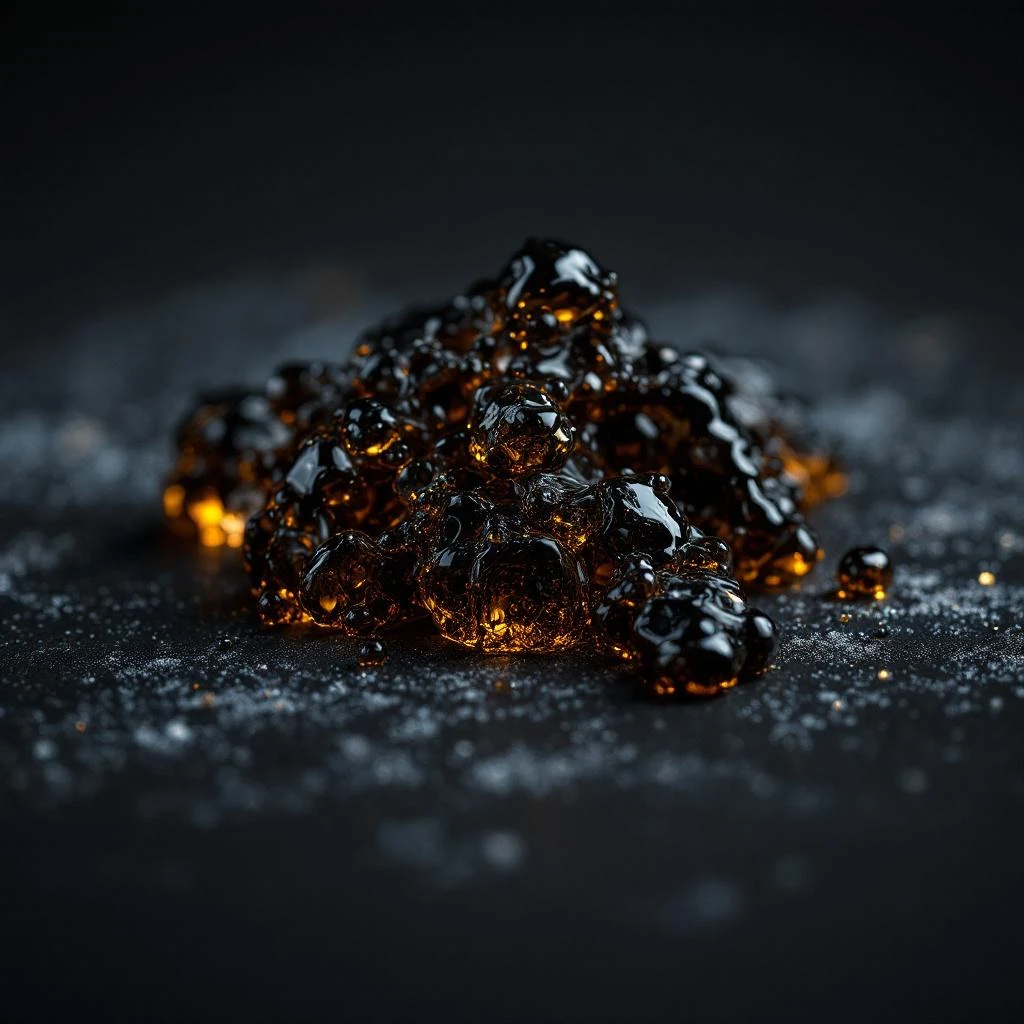
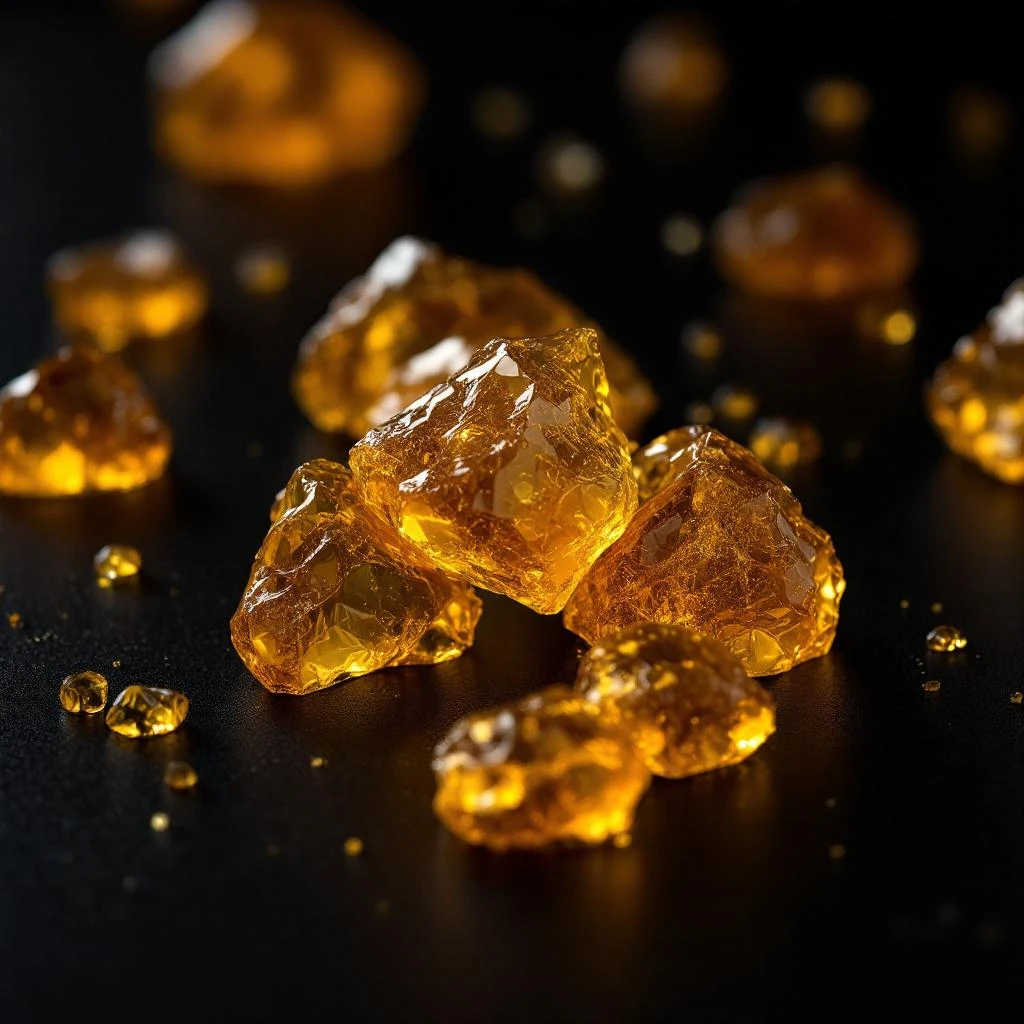
Amber Core is the warm, enveloping heart of countless iconic fragrances. This molten accord combines labdanum, vanillin, and benzoin into a cushion of resinous sweetness that anchors compositions with lasting depth and glow.
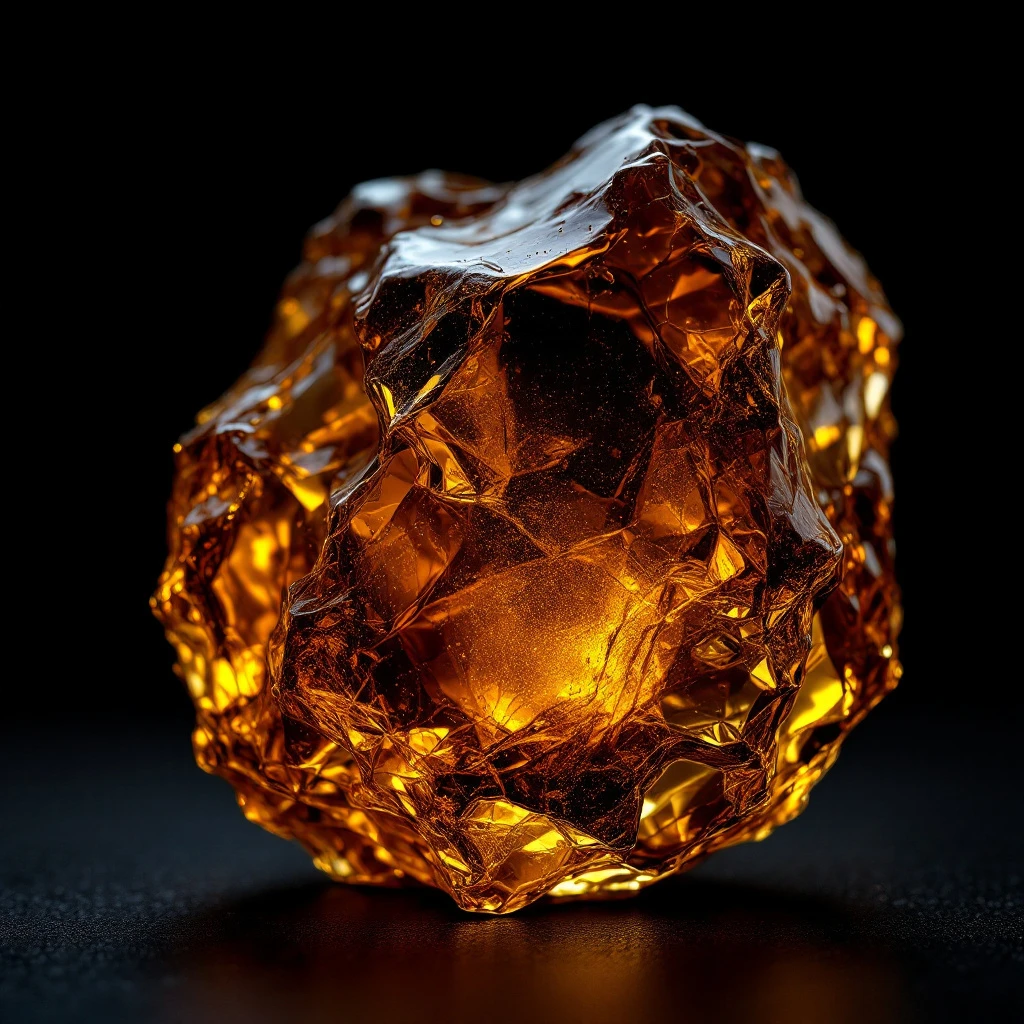
Character
How it smells
The warm pulse of the amber accord
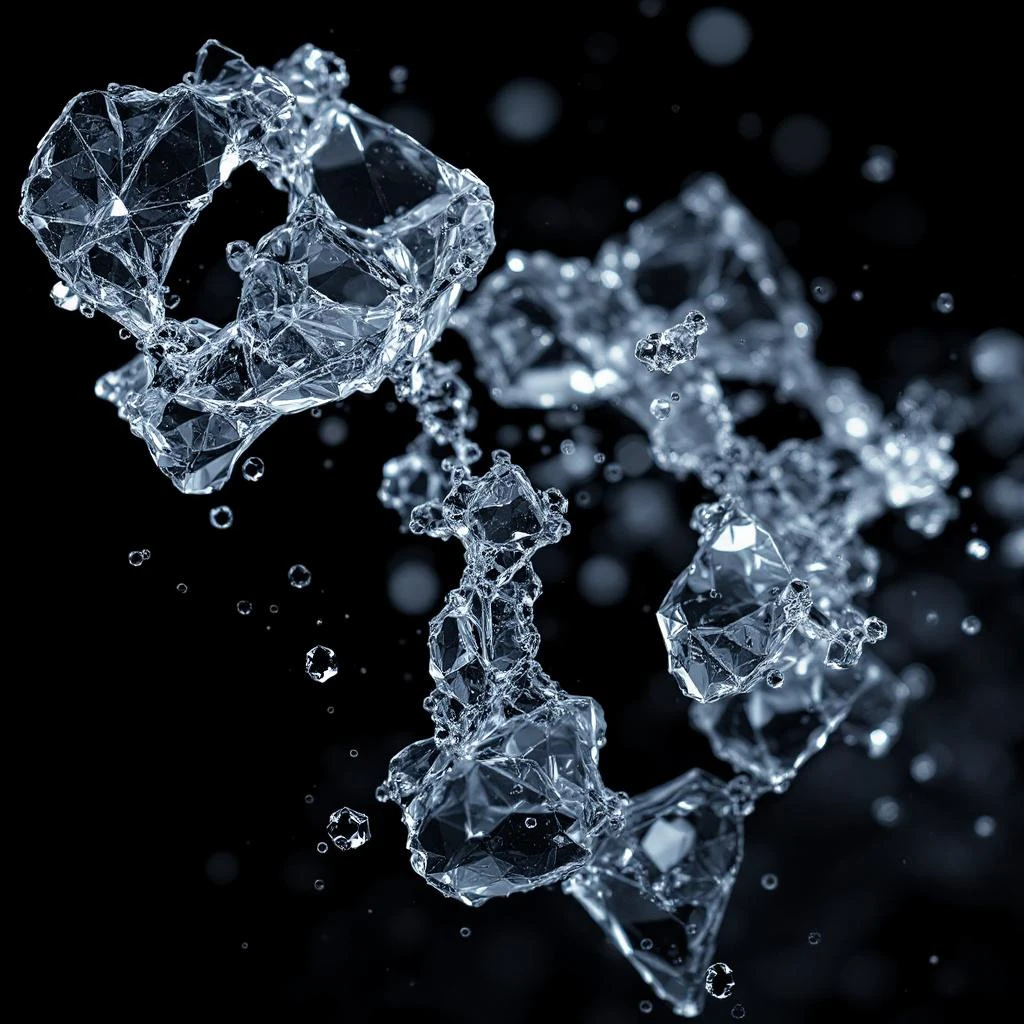
True ambergris, the original amber material, forms in sperm whale intestines over decades and was once found floating in tropical seas, earning the nickname 'floating gold'.

Origin
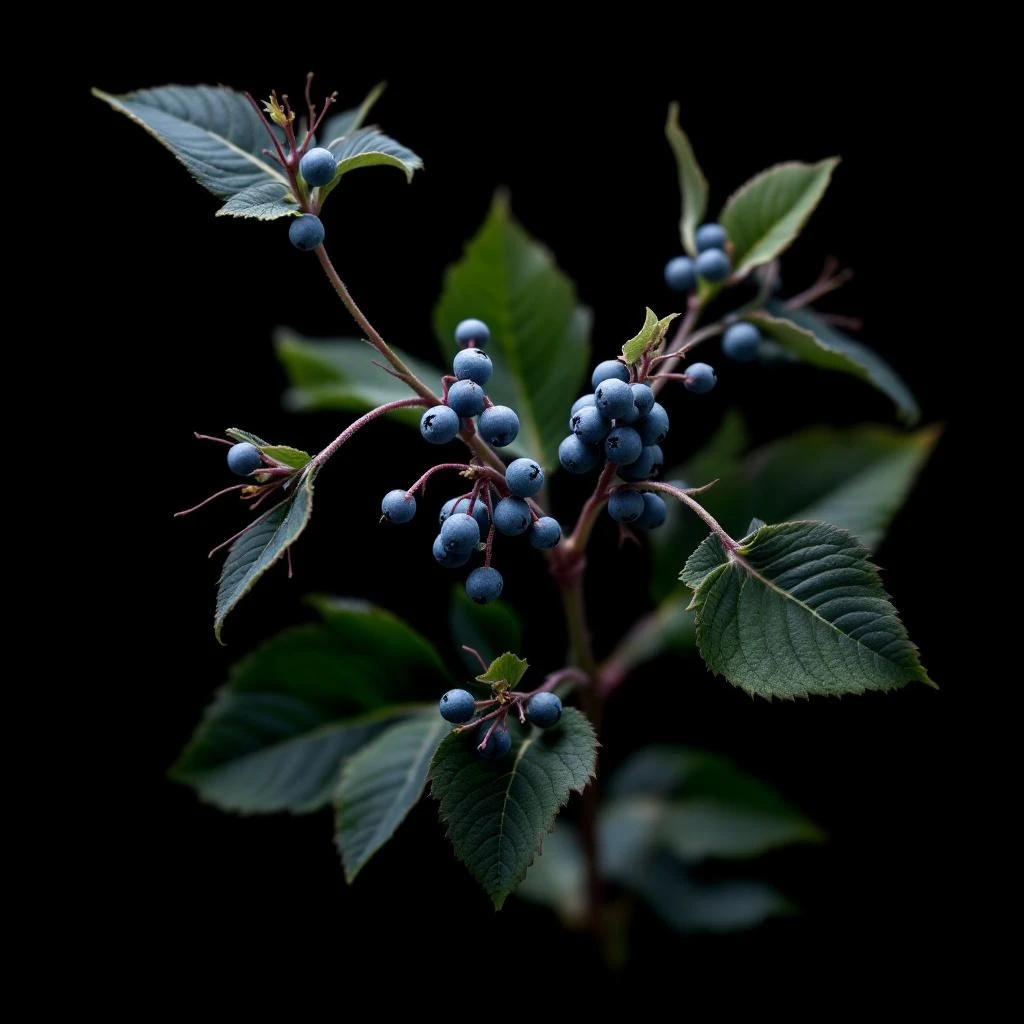
Multiple origins
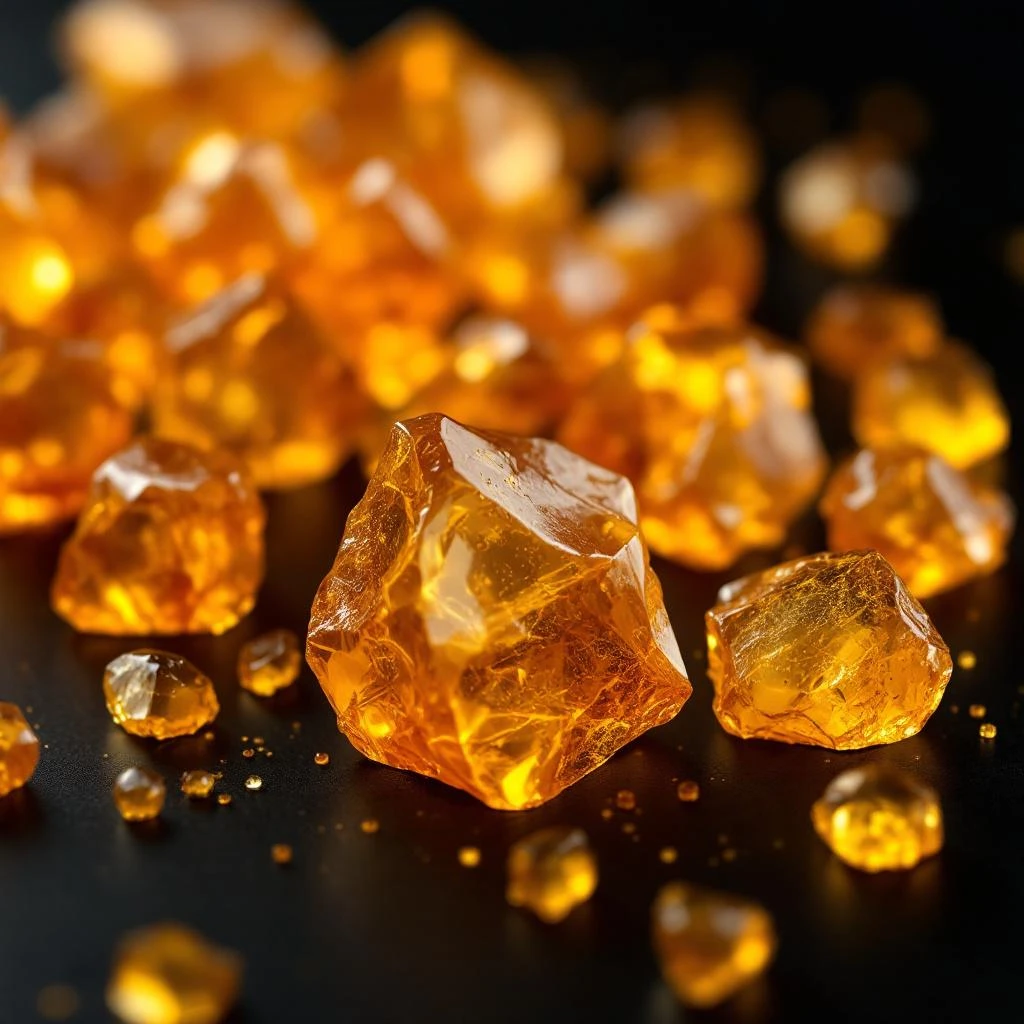
Amber traces its perfumery lineage to ancient incense traditions. Egyptians burned resinous compounds in religious ceremonies as early as 4000 BCE, laying groundwork for amber's spiritual associations.
True ambergris, the intestinal secretion of sperm whales, commanded centuries of ocean voyages as sailors collected the rare, sea-weathered lumps washing ashore. When vanillin became commercially viable in the late 19th century alongside coumarin and artificial musks, perfumers gained tools to recreate amber's warmth synthetically.
This democratization shifted amber from rare commodity to foundational perfumery material. Today, amber accords appear in over 80% of new fragrance launches, making it perhaps the most recognizable note in modern perfumery, yet each house continues interpreting this ancient warmth through contemporary eyes.
Wears it best
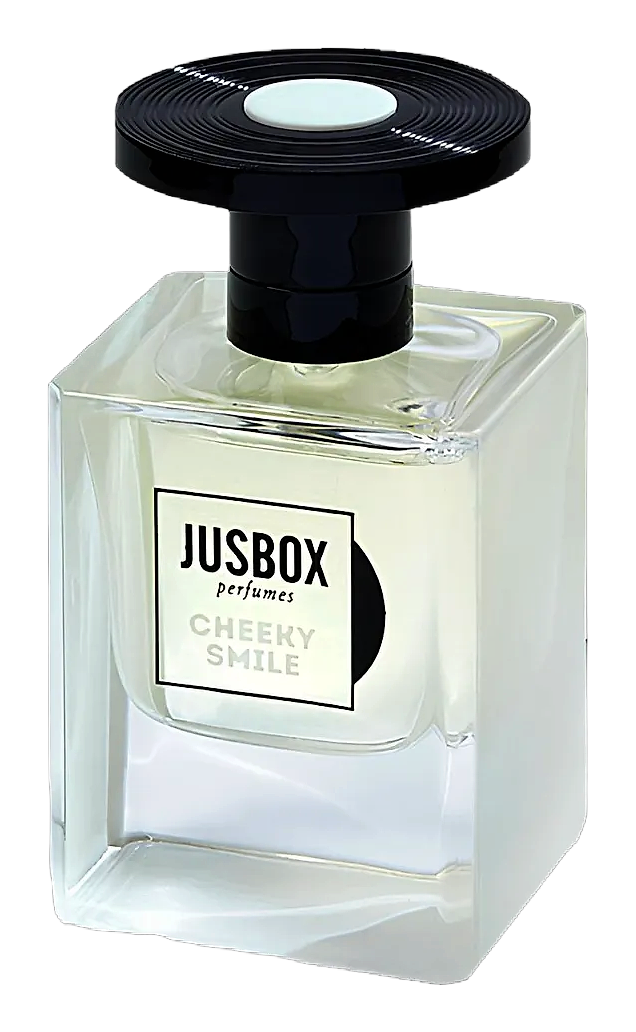
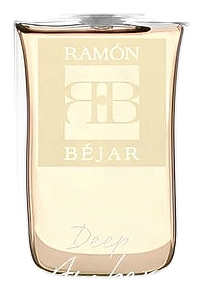
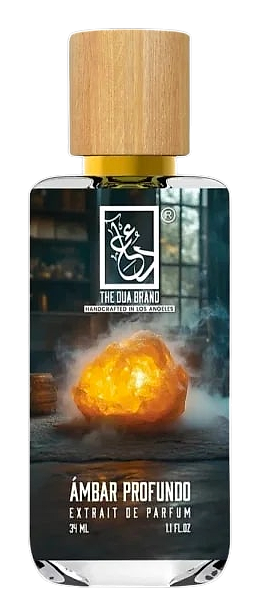
Fragrances featuring Amber Core
Brands
Brands known for Amber Core
Good to know
Questions, answered
The essentials on Amber Core in perfumery: how it smells, where it comes from, and how it behaves on skin.
What is Amber Core made of?
Amber Core is a blended accord combining labdanum, benzoin, vanillin, and supporting materials like styrax or tolu balsam. No single plant or animal source produces amber. Instead, perfumers combine these materials to create the characteristic warm, resinous signature.
Does amber come from whales?
Only true ambergris comes from sperm whales. Most modern amber notes are synthetic accords. Ambergris forms in whale intestines, solidifies during sea exposure, and rarely appears in contemporary perfumery due to conservation restrictions and extreme rarity.
Is amber a natural or synthetic note?
Amber exists on a spectrum. True ambergris is natural but exceptionally rare. Contemporary perfumery typically uses synthetic amber accords combining vanillin, labdanum, and benzoin to achieve consistent, sustainable amber warmth.
Why is amber so common in fragrances?
Amber provides immediate warmth and sweetness that consumers find appealing. It acts as a fixative, extending fragrance longevity on skin. These qualities make it a reliable heart note across fragrance families, from orientals to modern florals.
What does amber smell like?
Amber smells warm, sweet, and resinous with vanilla-like softness and subtle balsamic depth. It evokes sun-heated resins, honeyed warmth, and a cozy, enveloping quality rather than sharp or green associations.
When did synthetic amber develop?
Synthetic amber emerged as vanillin became commercially producible in the late 19th century. Perfumers combined this with existing materials like labdanum to create consistent amber accords, replacing reliance on rare natural ambergris.
What fragrance families use amber?
Amber dominates oriental fragrances but appears across woody, spicy, and even fresh compositions. It works as a heart bridge in florals, providing warmth that softens sharper top notes and grounds lighter materials.
Does amber work for sensitive skin?
Amber accords typically contain skin-safe materials at standard concentrations. However, individual components like vanillin may cause slight discoloration on skin over time. Testing on a small skin area before full application remains advisable.