Ramón Béjar
Ramón Béjar operates from Barcelona, where he approaches perfumery as both a discipline and a spiritual practice. He trained under an oriental master, an experience that shaped his understanding of fragrance as something beyond mere composition—it became ritual, intention, and meaning rendered into scent. Béjar works exclusively with rare natural materials sourced from what he considers the noblest origins on earth. His output remains deliberately restrained; when he does create, each fragrance functions as a statement about what perfumery can achieve when stripped of compromise. He positions his work as a philosophy rather than a business, one that challenges conventional industry expectations by prioritizing depth over breadth. Béjar's name has become synonymous with extreme and exclusive niche perfumery, drawing collectors who understand that his releases are infrequent precisely because each one demands absolute conviction.
The hits
Notable creations




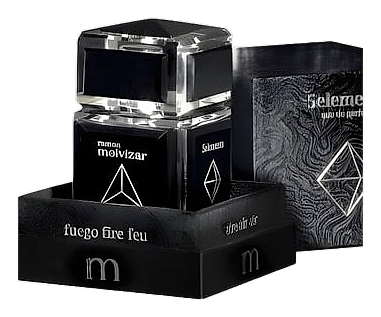


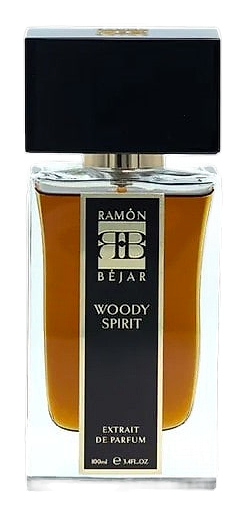



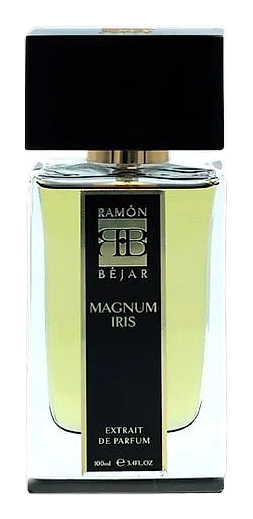
The signature
How Ramón composes
Oriental materials anchor Béjar's aesthetic, a direct result of his formative training. He gravitates toward raw materials with depth and history—oudhs, resins, rare florals—handling them with restraint that allows their complexity to unfold gradually on the skin. His compositions tend toward density and longevity rather than airy transparency. Béjar favors natural materials over synthetic alternatives, accepting the limitations and variations that come with that choice. His work has been described as ceremonial in its movement, suggesting fragrances designed to mark moments or transitions rather than simply accompany the day. The extreme and exclusive positioning of his brand reflects a creator who treats each work as a singular artistic statement rather than a product to be distributed broadly.
Philosophy
What drives Ramón
Béjar begins every creation by asking what a fragrance should mean before asking what it should smell like. This inverted approach separates him from perfumers who work primarily from a technical or commercial brief. He treats each formula as a container for intention, believing that rare natural materials carry their own history and energy—energy that, when properly channeled, produces something beyond conventional fragrance. He has described his work as a philosophy of understanding, one that invites wearers to engage with scent as a form of contemplation rather than consumption. The ritual aspect of his creative process matters as much as the outcome; the act of building a fragrance becomes its own meaningful practice.
The houses