The Story
Why it exists.
The beginning
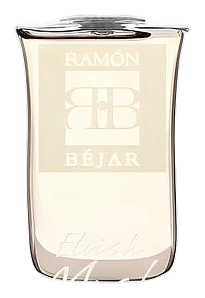
Jasmine Maat arrived in 2014 as part of Ramón Béjar's early explorations. The name suggests the jasmine absolute of Egypt, the kind that carries weight and history. This composition reflects a floral structure that earns its complexity rather than arriving at it. The jasmines used here are substantial, not delicate. Béjar's approach to the material is careful and deliberate, building layers that reward attention. This is a fragrance that asks something of the wearer, not one that simply announces itself. Those who engage with it slowly will find more, while those expecting an immediate statement may need to adjust their approach.
What makes this interesting is the combination of two jasmine materials, Egyptian jasmine absolute and jasmine sambac absolute, in the heart alongside rose. The sambac skews indolic and animalic while the Egyptian absolute leans green and dewy. Chamomile in the top notes is herbal, slightly bitter, smoothing the handoff so the jasmine feels unified. The tiare absolute in the base anchors the florals in a Polynesian buttery warmth rather than letting them drift into abstraction. It's a structure built for people who love jasmine but are tired of it behaving the way jasmine usually behaves.
The evolution
The opening arrives bright and slightly tart, blackcurrant giving the impression of almost-ripe stone fruit before the citrus arrives to sharpen it. Bergamot and chamomile work together here, the bergamot providing the recognizable citrus lift while chamomile contributes an herbal depth that prevents the whole thing from smelling like a cleaning product. The hand-off to the heart is where Jasmine Maat earns attention. The two jasmine absolutes emerge not as a wall of white floral but as a layered thing, the Egyptian absolute arriving first, green and slightly humid, followed by the sambac which arrives a few minutes later with something warmer, rounder. Rose slips in alongside, not as a centerpiece but as a softening agent.
Cultural impact
Jasmine Maat arrived in 2014 as part of Béjar's early explorations in independent perfumery. The fragrance demonstrates a commitment to classical jasmine absolues combined with chamomile and tiare, creating a floral structure that invites slower appreciation rather than quick impression. The name suggests the jasmine absolute of Egypt, the kind that carries weight and history. Béjar's approach avoids certain trend directions, focusing instead on material depth and careful construction. This is a composition that asks something of the wearer, rewarding those who engage with it thoughtfully.