The Story
Why it exists.
The beginning
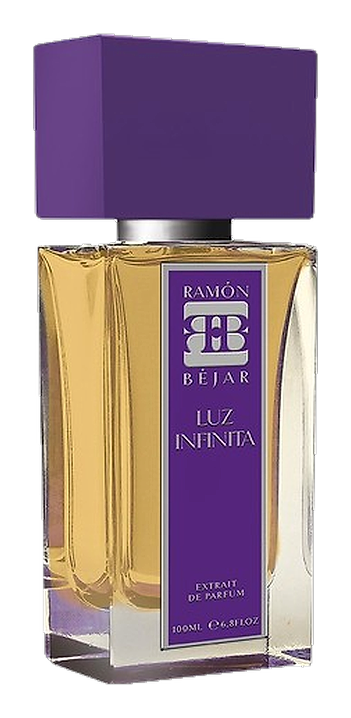
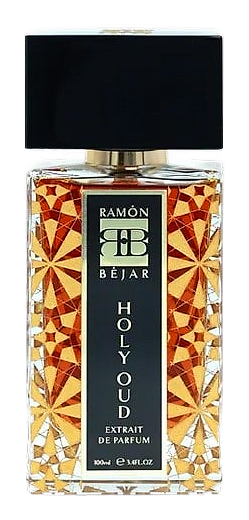
Holy Oud arrives in the My Universe Privée Collection, a line where Ramón Béjar arranges the most contemplative materials into concentrated form. The name itself is the concept: oud, already one of the most spiritually significant materials in perfumery, elevated to something holy. Béjar has spoken of fragrance as a practice of presence, a devotional attention. Holy Oud is the most literal expression of that philosophy, not a perfume you wear, but one that asks something of you.
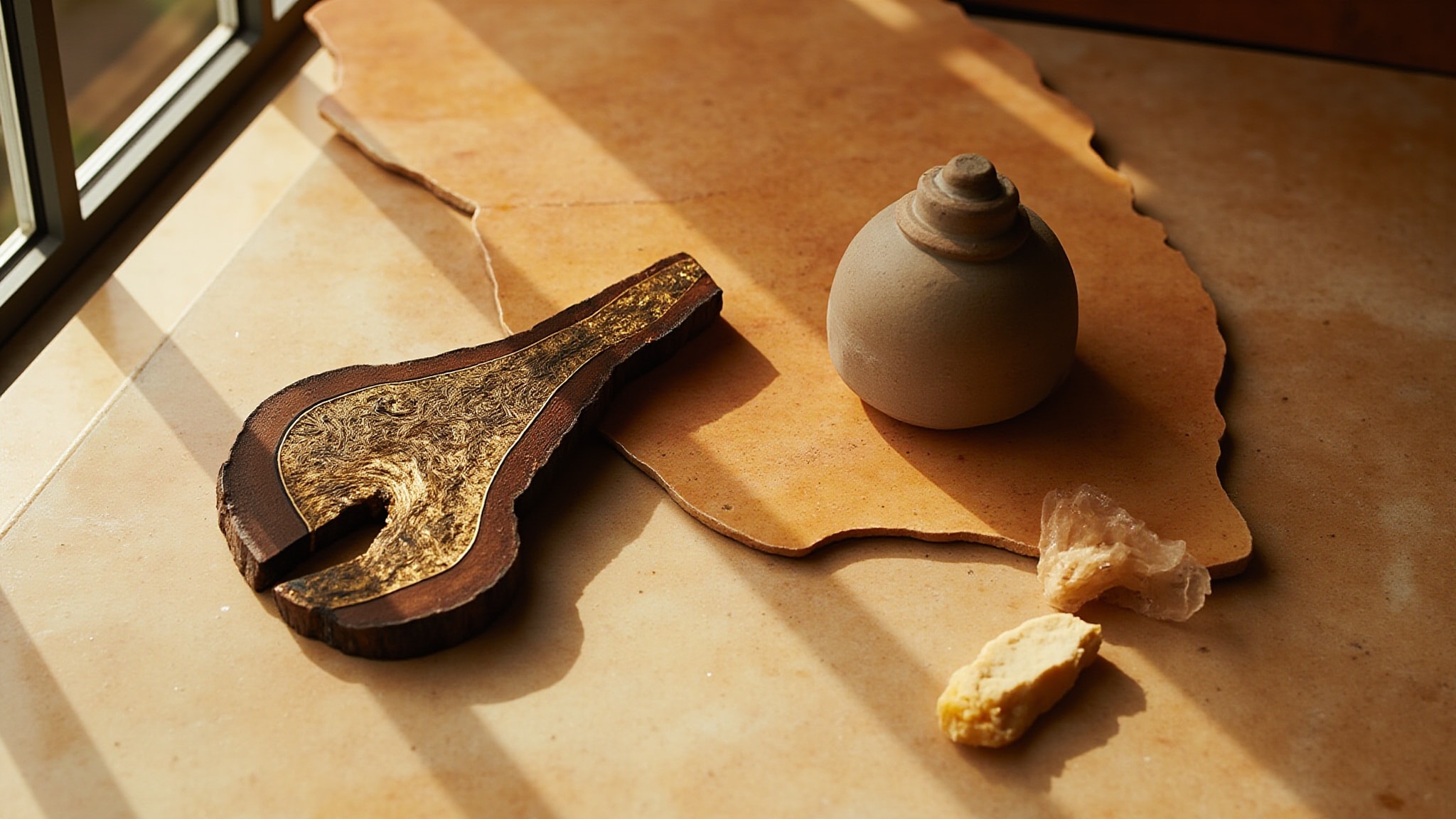
What makes Holy Oud interesting structurally is how it builds downward rather than out. Most oud fragrances announce themselves. This one begins in darkness and slowly reveals light, amber and benzoin pushing through the resinous depth like warmth through stone. The nutmeg keeps the middle interesting without disrupting the gravity. By the base, frankincense and myrrh have taken over as the true heart, with sandalwood and oud forming a long, cream-like foundation that doesn't let go.
The evolution
The opening is oud and woody notes, dark, resinous, immediately present. Benzoin arrives within minutes, sweet and balsamic, softening the edges. Amber builds in the background, creating warmth without sweetness. This middle phase holds for a few hours, the nutmeg quiet but persistent, keeping the warmth from becoming linear. Then the sacred materials take over. Frankincense and myrrh assert themselves, smoke rising against the amber sweetness. Sandalwood and oud form a creamy, deep base that holds on skin for 4-6 hours, a quiet, intimate presence that doesn't announce itself but leaves a trace.
Cultural impact
Holy Oud arrives at a moment when Western perfumery is actively reclaiming sacred materials from their cultural origins. Oud has moved from niche curiosity to mainstream luxury, yet Ramón Béjar's approach insists on spiritual context rather than pure commodity. The fragrance uses frankincense and myrrh, materials with millennia of religious and ceremonial significance, without exploiting that heritage for marketing. Instead, it translates their meditative qualities into a contemporary wearable form. This represents a broader shift among independent perfumers toward olfactory anthropology: treating ancient aromatic traditions as living practices to be honored, not kitsch to be repurposed. Holy Oud participates in this dialogue without claiming to speak for any tradition.