The Story
Why it exists.
The beginning
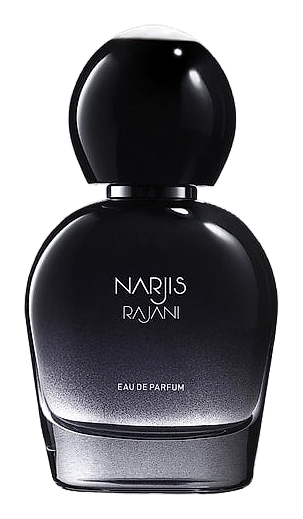
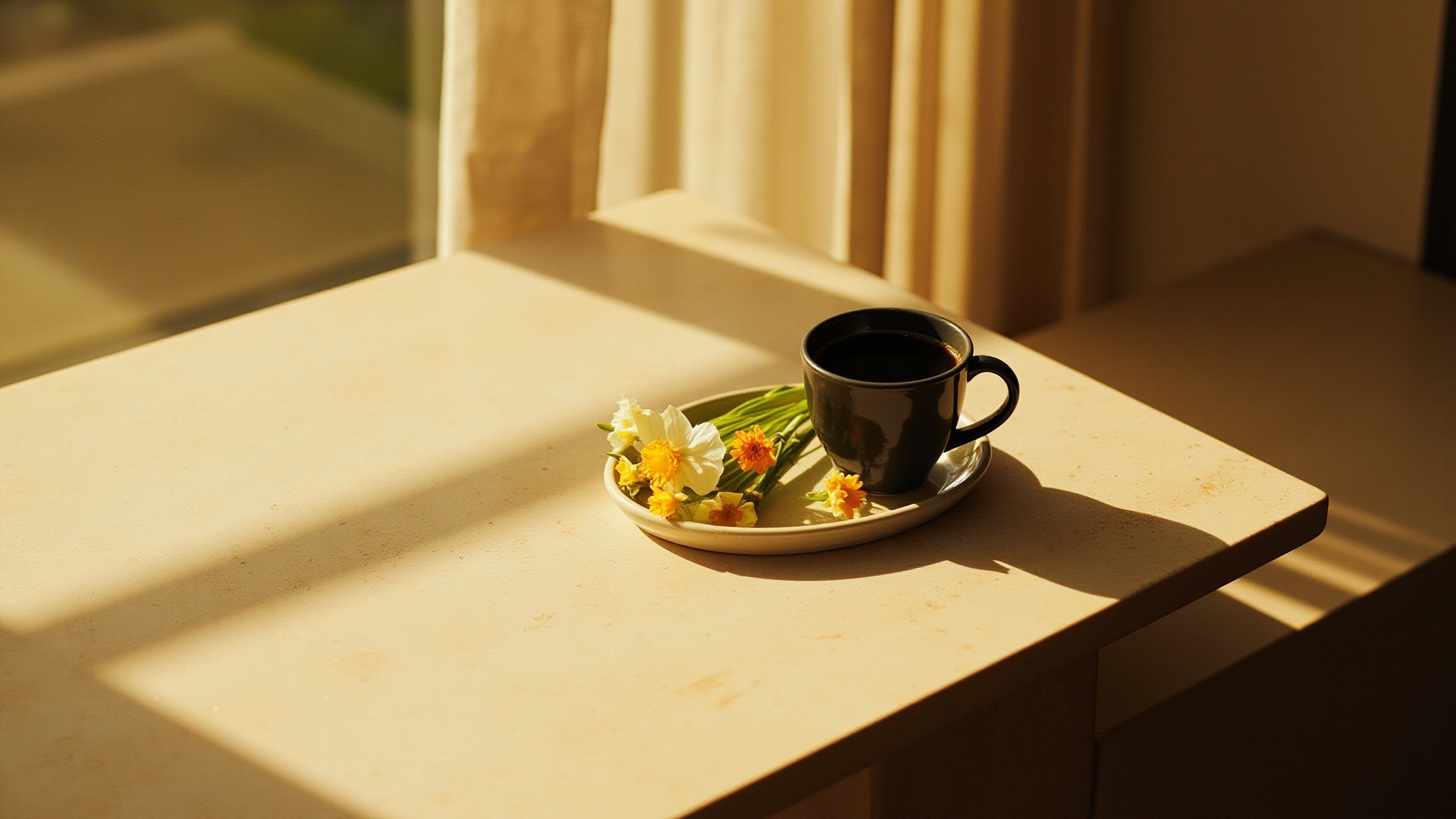
Raffaella Tarana composed Narjis, and the fragrance draws its name from narjis, a botanical reference to the narcissus flower. Tarana reportedly described Narjis as a sudden window opening in a dark room, honey-coated light breaking through. The composition reads less like a portrait of the flower itself and more like the moment light finds it. Green stems, narcotic sweetness, a suggestion of something living and just out of reach. The daffodil note here carries a particular duality: it is at once vegetal and golden, the cold green of a snapped stem giving way to the warm, almost edible richness of the bloom itself.
What makes Narjis structurally unusual is the placement of vanilla and ylang-ylang in the heart alongside narcissus, a choice that softens the flower's sharper green facets rather than amplifying them. The vanilla and osmanthus absolute lend a leathery, almost apricot-like sweetness that pushes the narcissus toward something warmer, more skin-like. It is a composition decision that makes the floral less about the garden and more about a body wearing one.
The evolution
The first minutes belong almost entirely to the narcissus, but it arrives quietly, opening with a brief flash of sweet orange and bergamot that reads more zest than juice, a thin bright edge before the daffodil takes the wheel. Angelica adds a liquorice-cool undertone that gives the opening a slightly herbal lift, like stems just snapped. The heart then settles in: narcissus dense and golden, osmanthus lending its apricot-leather sweetness, ylang-ylang adding a banana-tinged creaminess underneath. The vanilla here is a structural choice rather than a gourmand element, softening the composition's sharper edges without making it sweet. The narcissus dominates the early phase with a green-to-gold gradient, the cooler stem notes gradually warming into something more honeyed and dense.
Cultural impact
Narjis treats the narcissus flower as something warmer, more bodily, owing to the osmanthus and vanilla placement in the heart. Wearers gravitate toward it for its intimacy rather than its projection, a fragrance for people who want complexity without volume. The composition's signature gesture is its decision to soften the flower's sharper green facets rather than amplify them, and this structural choice shapes everything that follows. The osmanthus lends its characteristic apricot-leather sweetness to the heart, pushing the narcissus toward something more skin-like than botanical.