The Story
Why it exists.
The beginning
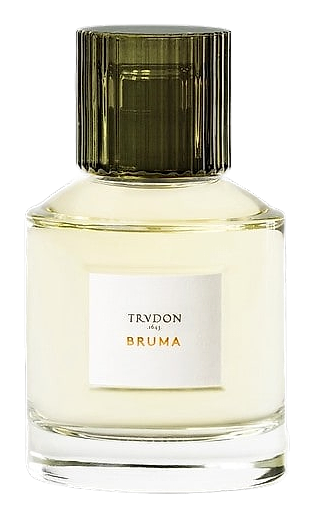
Bruma arrived in 2017 from perfumer Antoine Lie, named for the Latin word for solstice, that precise moment when winter reaches its darkest and the year begins its slow turn back toward light. The official brand copy speaks of a feminine rider in the night, drawing strength from her horse and the depth of the forest, wrapped in what the house calls a magnetic and carnal aura. Lie was working with Trudon's oldest tradition, wax, smoke, and ceremony, but translating it into something that could live on skin instead of in the air. The solstice concept gave him the framework: cold and warm existing in the same moment, the frozen moon and the warm body, restraint and sensuality at once.
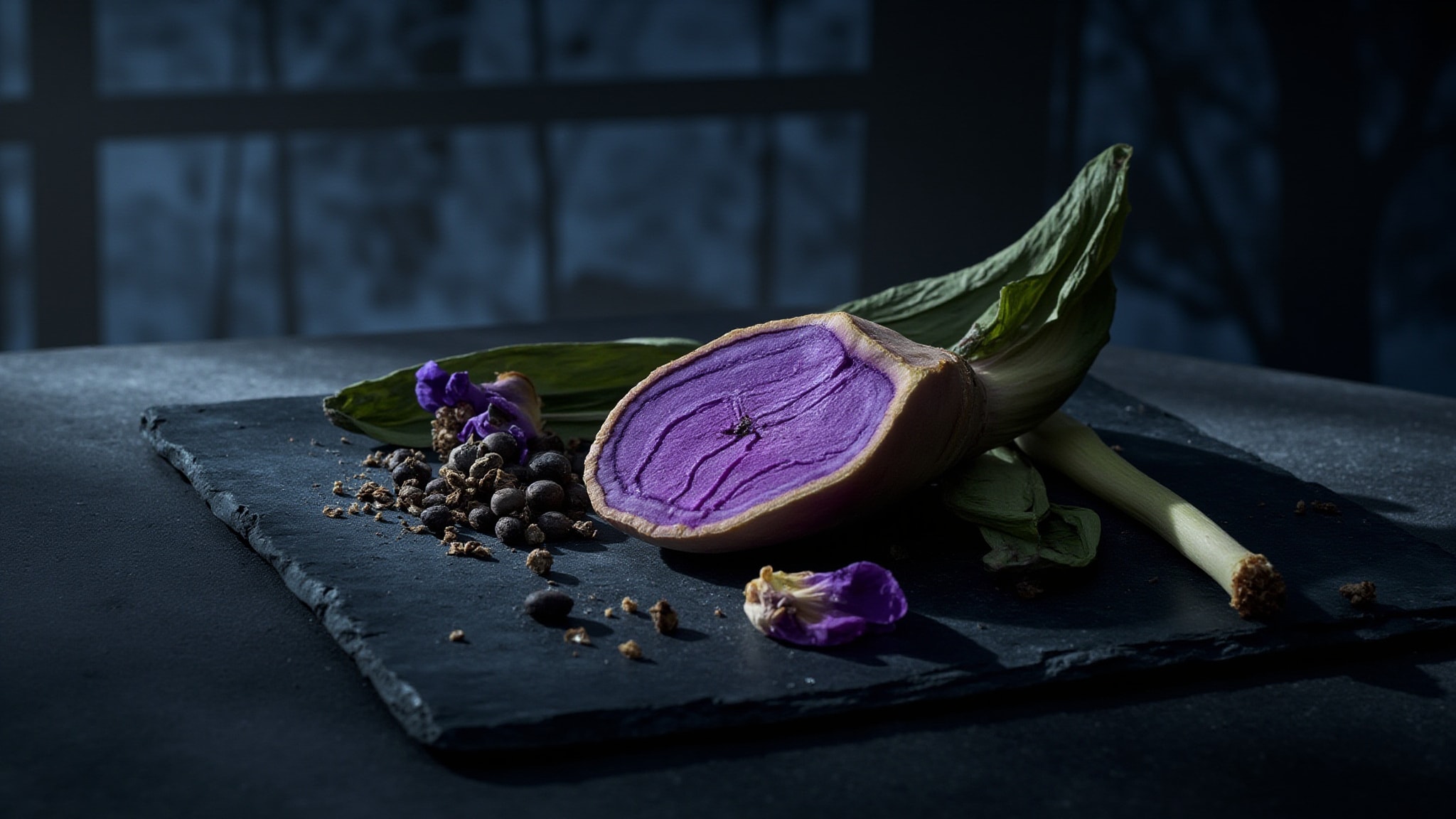
The heart of Bruma is a paradox. Iris and violet are among the most powdery materials in perfumery, they carry the ghost of face powder, of vintage vanity tables, of something quietly aristocratic. But Lie grounded them in black pepper and galbanum, which bring a green, almost medicinal sharpness that keeps the florals from becoming precious. The tonka bean in the base is doing quiet work too: sweet, warm, faintly vanillic, it extends the drydown without announcing itself. What results is a fragrance that smells familiar and strange at once, like a memory you can't quite place.
The evolution
The opening hits cold. Galbanum and black pepper arrive together, the pepper sharp and dry, the galbanum green in a way that recalls crushed leaves in winter air. Lavender hovers at the edges, herbal and slightly camphorated, this is not a soft beginning. Within twenty minutes, the iris arrives. Powdery, cool, it smooths the edges of the pepper and gives the green something to lean against. The violet follows, softer still, adding a faint sweetness that reads more as nostalgia than as florals. The jasmine appears as a whisper, never dominant, there to keep the composition from becoming too austere. By the third hour, the base takes over. Vetiver brings its earthy, slightly smoky character; labdanum adds a resinous warmth that feels almost animal; tonka bean sweetens the whole thing just enough to keep it from going skeletal. Six to eight hours is the range most wearers report. The drydown on fabric is quieter than on skin, a faint warmth that lingers into the next day, like the smell of a room that was just occupied.
Cultural impact
Bruma occupies an unusual position in Trudon's line: it's one of the more wearable fragrances the house has produced, less overtly candlelit than some siblings, more focused on the skin-warm quality of powdery florals. Wearers tend to describe it as the fragrance of someone who doesn't need to announce themselves, quiet authority, not quiet presence. The solstice theme and the forest-at-night imagery give it a specific literary quality that sets it apart from more generic floral compositions. It's not trying to be everything to everyone; it's content to be exactly what it is.