
The Story
Why it exists.
The beginning
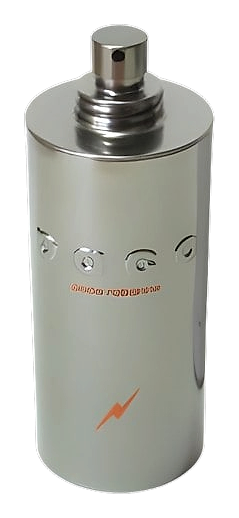
Rosendo Mateu created Paco Energy in 1998 with citrus as the engine and juniper berries as the unexpected gear, that gin-adjacent green note that keeps the top from being predictable. Neroli added softness without sacrificing structure. The result was a fragrance that refused to sit still, its bright opening inviting you to lean in and discover what comes next. The citrus sparkles immediately, a crisp invitation that doesn't wait for permission, while the juniper introduces a cool, almost bracing element that elevates the composition beyond simple freshness. Neroli threads through the opening like a whisper of orange blossom, tempering the sharpness without dulling it, giving the top notes a rounded quality that feels both natural and intentional.
What makes the structure interesting is the aldehydes. They're not dominant, but they're present, lifting the citrus notes and adding a certain soapy sophistication that stops the composition from feeling like window cleaner. The heart is deliberately sparse: cyclamen and grass. This minimal middle section lets the top notes perform and then steps aside for a woody-musky base. Cedar doesn't rush. Musk doesn't scream. Together they give the wearer something to return to once the initial brightness fades.
The evolution
The opening hits immediately. Aldehydes and citrus arrive simultaneously, no waiting, no teasing. Grapefruit and bitter orange share the stage for the first twenty minutes while juniper berries add that green, slightly astringent counterpoint. Then the heart arrives quietly. Cyclamen doesn't announce itself, it softens the transition, a gentle handoff to cedar and musk. The base takes over around the forty-minute mark and holds for the rest of the wear. Four to six hours on most skin, close and intimate rather than room-filling. By hour five, the drydown reads as warm skin and clean cedar, not a ghost, but not a statement either.
Cultural impact
Paco Energy offered something different at a time when fresh fragrances often fell into predictable territory. The aldehydic lift set it apart, giving the citrus notes a lifted, sophisticated quality that elevated it above the standard aquatic interpretations of the era. It projects a presence that is clean and assured, a scent that speaks softly while still commanding attention. Rather than announcing itself, it simply exists around you, the kind of fragrance that someone notices only when they lean close, and then wonders how they missed it for so long.