The Story
Why it exists.
The beginning
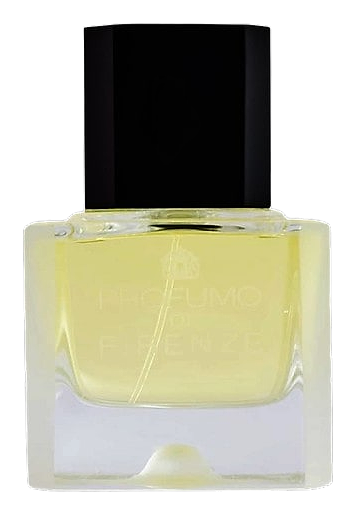
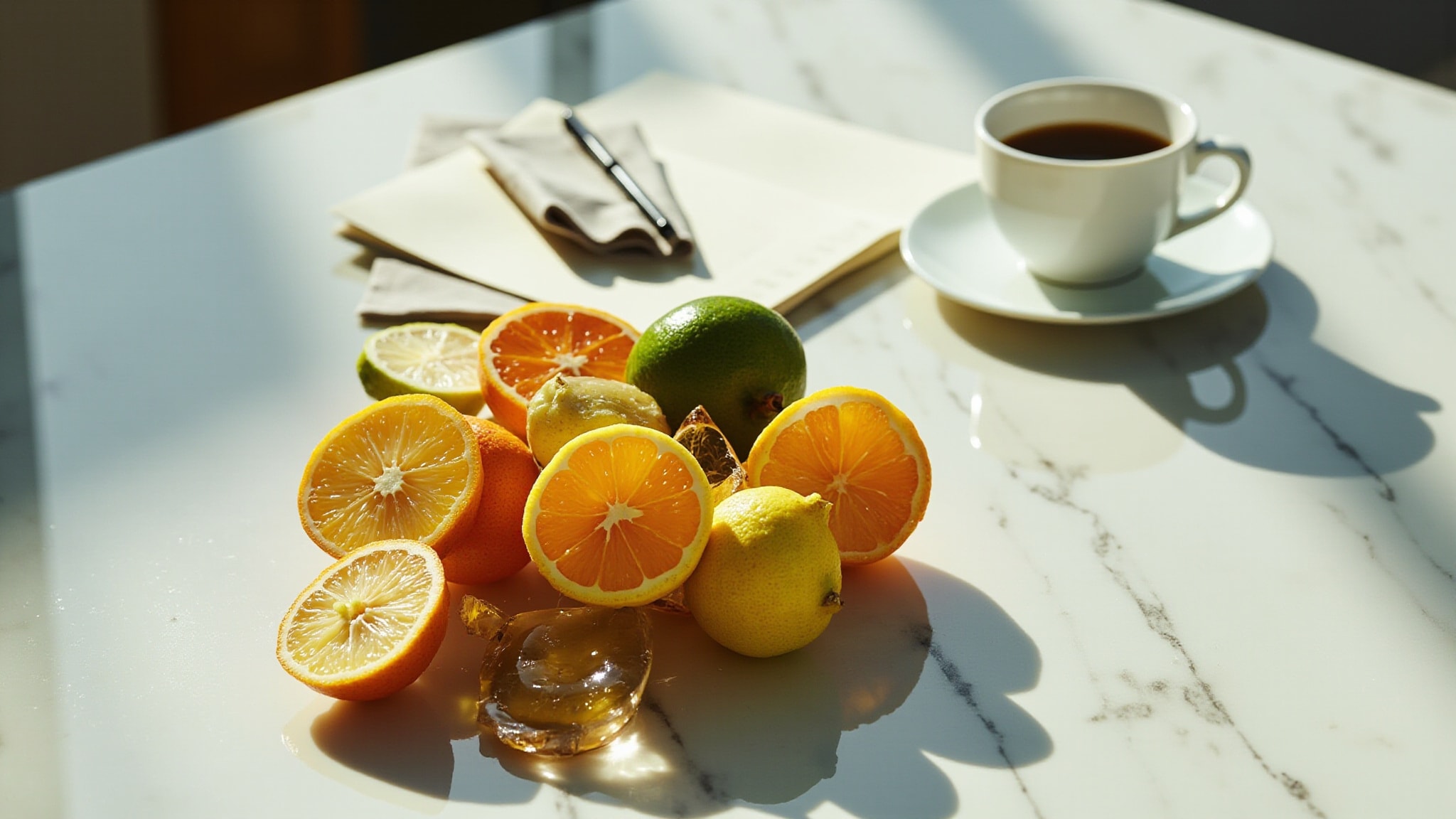
Colonia Fiorentina arrived in 2004 under the Profumo di Firenze banner, the Florentine house whose name carries the year 1954 and a clear geographic identity. The fragrance takes its name from Florence itself: Fiorentina, of Florence, and the composition reads as an exercise in Mediterranean citrus. Italian orange, Calabrian bergamot, Sicilian lemon, and lime open together in a dense, sun-warmed chord that recalls nothing so much as the overload of a Florentine market in full season. The fragrance lives firmly within the Italian colonia tradition, that clean, citrus-driven lineage that runs back through the genre's history, but the execution pushes past simple refreshment.
What separates Colonia Fiorentina from a hundred other Italian colognas is the heart. The brand's own framing calls it a timeless classic in a modern vein, and the structure rewards that description. Petitgrain and lemon verbena sit between the citrus top and the floral body, adding a bitter-green facet that gives the composition an herbal backbone most citrus-driven fragrances lack entirely.
The evolution
The first ten minutes are almost aggressive in their brightness. Four citrus materials hit simultaneously, and Galardi doesn't dilute them with aldehydes or modern aquatic accords. The combined force of Italian orange, Calabrian bergamot, Sicilian lemon, and lime lands like a wave of zest and pulp, sharp enough to almost sting the nose on first application. By the thirty-minute mark, the sharpness recedes and the petitgrain arrives, bringing that bitter, leafy-green quality that reads as crushed stems rather than fruit. The orange blossom absolute emerges around the one-hour point, creamy and slightly honeyed, with jasmine sambac adding a warm indolic hum underneath. This is where the composition stops behaving like a splash-on cologne and starts behaving like a proper eau de parfum, the florals thickening the blend and giving it a more substantive presence on skin.
Cultural impact
Colonia Fiorentina occupies a specific corner of Italian fragrance: serious enough for perfumery enthusiasts, traditional enough for colonia loyalists, and distinctive enough that it doesn't get lost in the citrus crowd. Its devoted audience consists of people who want a bright Italian citrus opening but also want something with more structure underneath. The guaiac-and-marigold base is what separates it from simpler compositions, pulling the fragrance away from standard cologne territory into something drier, woodier, and more contemplative.