
The Story
Why it exists.
The beginning
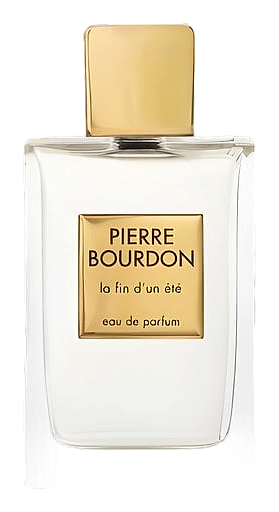
The name says it: La Fin d'un Été, the end of summer. Pierre Bourdon released this composition in 2015, a work that translates a specific seasonal feeling into something wearable. The sensation it captures is the soft melancholy of August turning into September, the moment when the days shorten and the air cools but the warmth hasn't quite left. That bittersweet emotional register, golden fruit and fading green, is what the bottle is built around. The notes are deliberately seasonal: watermelon threaded through the heart, bergamot lifting the top, jasmine adding cream and lift through the middle, and a base of patchouli and amber giving the whole thing weight and skin-close warmth. It's not a summer fragrance that shouts sunshine or tropical fruit.
The watermelon note is what gives this composition its particular signature, setting it apart from the usual fruit-and-flower templates. It carries a watery, almost cooling sweetness, lightly refreshing in a way that reads more like memory than novelty, and it pairs with the creamy warmth of jasmine in an unexpected way, the cool fruit against the white floral creating a tension that keeps the heart phase alive. Bourdon sets that fruit against a base of amber and patchouli, which prevents the composition from drifting into juvenile sweetness.
The evolution
The opening is sharp and clean: bergamot cutting through first, bright and almost effervescent, then the ginger arriving to add a clean heat that warms the citrus without burying it. The first phase feels awake, slightly bracing, with nothing heavy weighing it down yet. Then the watermelon emerges, and the composition begins to soften. The jasmine blooms underneath, white and creamy, giving the heart a floral cushion against the cool fruit. The watermelon and jasmine interact in an interesting way, the fruit providing freshness while the flower adds depth and skin warmth, and the two together produce the particular mood the fragrance is built around. From there the base materials begin to surface. The patchouli settles in with its earthy, grounding weight, and the amber warms everything up, shifting the whole register from cool fruit toward golden warmth.
Cultural impact
La Fin d'un Été tends to be worn quietly rather than discussed loudly, finding its audience among people drawn to seasonal compositions that don't lean on tropical-fruit shortcuts or predictable summer tropes. Its herbal-fruity warmth has drawn occasional comparisons to earlier Dior compositions from individual wearers, with at least one community member noting its resemblance to Dior Eau Fraîche. The fragrance occupies a particular niche, seasonal and contemplative rather than broadly commercial, appealing to those who want a late-summer mood in bottle form.
The House
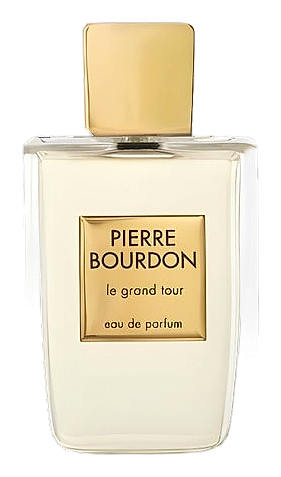
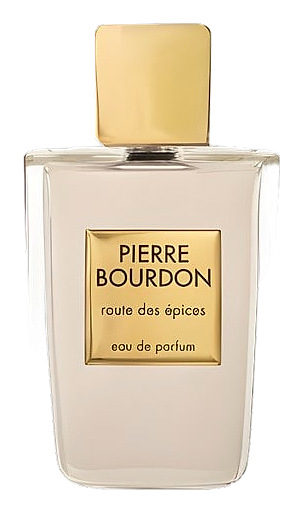
Pierre BourdonPierre Bourdon is a French independent perfumer whose career spans four decades and encompasses some of the most culturally significant fragrances of the late 20th century. Trained by the legendary Edmond Roudnitska, Bourdon brought an artistic sensibility to commercial perfumery that was rare for his generation. His signature work includes Davidoff Cool Water (1987), Yves Saint Laurent Kouros (1981), and Shiseido Féminité du Bois (1992). For Frederic Malle's Editions de Parfums, he created Iris Poudre and French Lover. In 2015, he launched his own eponymous line featuring five fragrances. Bourdon worked as head perfumer at Takasago Europe for nine years following the company's founding in 1982, and he studied at Roure Bertrand starting in 1971. His work is characterized by a balance of artistic integrity and commercial awareness, bridging haute parfumerie traditions with broader accessibility.
The Creator
Pierre BourdonBourdon's signature lies in clarity and restraint. He favors transparency in composition, building fragrances that breathe rather than overwhelm.