Heritage
A house, in its own words
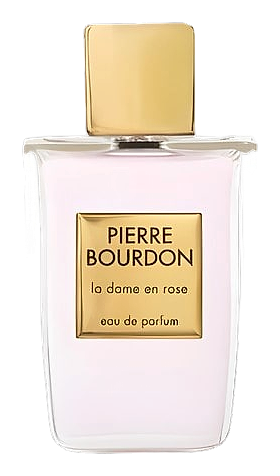
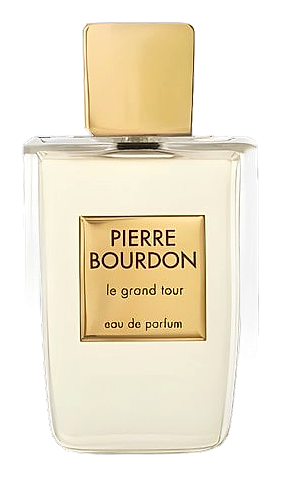
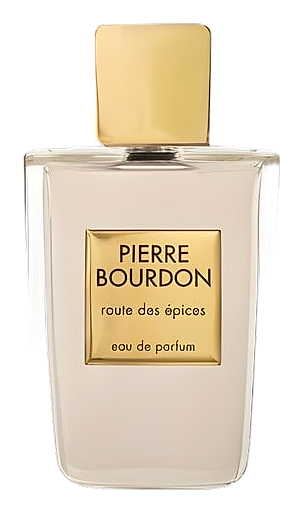
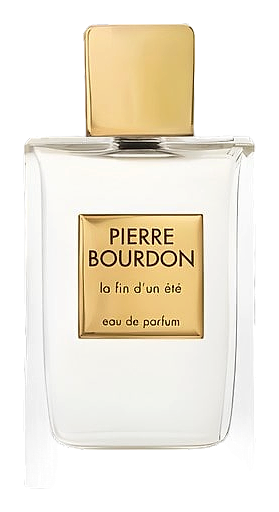
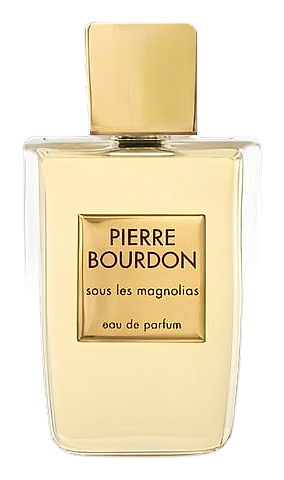
Pierre Bourdon's entry into perfumery was anything but conventional. He earned a degree in political science before deciding that scent, not policy, was his calling. In 1971, he joined Roure Bertrand, one of the most respected fragrance houses in France, where he studied under Jean [surname not specified in available sources]. It was here that he encountered Edmond Roudnitska, who became his sole mentor. Roudnitska, creator of Diorissimo and Eau Sauvage, was widely regarded as one of the greatest perfumers of the 20th century, and he shaped Bourdon's fundamental conviction that perfumes should be created as works of art rather than mere commercial products. In 1982, Bourdon co-founded Takasago Europe alongside partners, serving as head perfumer for nine years. This period produced some of his most influential work. His creation of Cool Water for Davidoff in 1987 marked a turning point in the history of fresh fragrances, introducing aquatic notes to a degree that influenced countless subsequent releases. Earlier, in 1981, he had created Yves Saint Laurent Kouros, a fragrance so distinctive that it generated both devoted admirers and vocal critics, a hallmark of work that refuses to be merely agreeable. His collaboration with Shiseido on Féminité du Bois in 1992, working alongside Christopher Sheldrake, produced a fragrance that became foundational to the emerging niche perfume movement. The composition's use of wood and fruit notes broke conventions and demonstrated Bourdon's ability to work across aesthetic boundaries. In 2000, Bourdon began his relationship with Frederic Malle's Editions de Parfums, creating Iris Poudre as his first release for the publisher. He followed this in 2007 with French Lover. These creations showed a more intimate, restrained dimension of his talent, aligned with Malle's philosophy of presenting perfumes as artistic statements rather than market products. In 2015, Bourdon launched his own eponymous line, releasing five fragrances through what appears to be Frederic Malle's distribution network. The collection included Sous Le Magnolias, La Fin d'un Ete, Route des Epices, Le Grand Tour, and La Dame En Rose. Before fully retreating from professional work, Bourdon took on a mentorship role, passing his knowledge to younger perfumers including Julie Masse, considering this transmission of craft essential to his legacy. The defining principle of Pierre Bourdon's approach stems directly from his apprenticeship with Edmond Roudnitska: perfumes should be created as works of art. This conviction separates him from perfumers who view their craft primarily as a commercial exercise. For Bourdon, fragrance occupies the same creative territory as literature or music, deserving the same level of artistic ambition and technical rigor. This philosophy manifests in several specific commitments. Bourdon insists on treating each fragrance as an independent artistic statement with its own internal logic and coherence. He resists the temptation to chase trends or cater exclusively to market research, believing that genuinely innovative work often requires defying conventional preferences. His creation of Kouros exemplified this approach, producing a fragrance that was polarizing precisely because it refused compromise. Bourdon also holds that restraint constitutes a form of mastery in perfumery. The ability to recognize when a composition is complete, when adding more would diminish rather than enhance, reflects deep understanding. His work with Frederic Malle particularly demonstrated this restraint, producing fragrances that reward sustained attention rather than making immediate, overwhelming impressions. He believes in the primacy of creative vision over commercial pressure. Even while working on mass-market fragrances at Takasago Europe, Bourdon maintained that artistic integrity need not be sacrificed for accessibility. Cool Water succeeded commercially precisely because it brought originality to a wider audience, proving these goals need not conflict. Bourdon also values the educational dimension of perfumery. His mentorship of younger perfumers reflects a belief that passing knowledge to the next generation constitutes a meaningful contribution to the art form's future. He reportedly approached this mentorship with the same seriousness he brought to fragrance creation itself, considering it part of his artistic legacy.