The Story
Why it exists.
The beginning
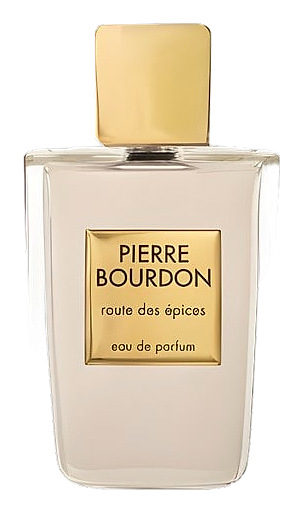
Pierre Bourdon named this fragrance after the spice routes, those ancient pathways that carried precious aromatics into the hands of European traders. The name is a tribute to the foundations of perfumery, to an era when scent was geography you could hold in a bottle. Route des Épices is not merely a reference to those historic journeys. The spices aren't metaphorical here. They're literal. The fragrance is a dispatch from the routes themselves, opening with a bright, effervescent burst of citrus and cardamom that feels like morning light hitting a harbor market. From there, the composition deepens into a rich blend of warm woods, resinous amber, and the faint, smoky depth of incense.
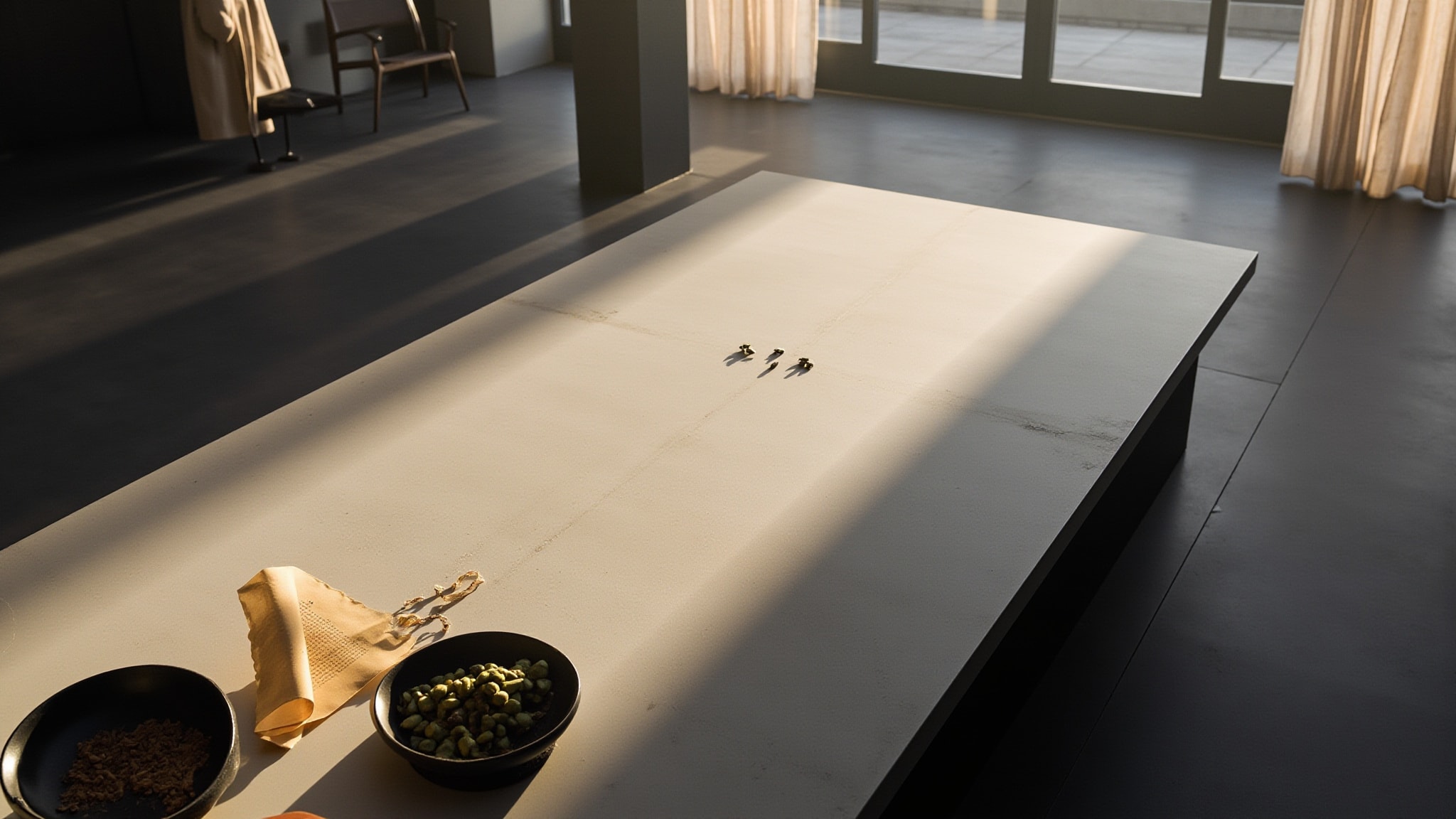
What makes Route des Épices unusual is its structure. The opening triad of bergamot, geranium, and lavender reads cool, almost medicinal in its clarity. Then the spice market opens. Cinnamon leads, but cardamom, clove, and cumin follow close enough to feel dense, layered, almost overwhelming in their specificity. This is not a spice accord in the abstract. Bourdon is working with actual olfactory memory, the stacked pyramids of a souk, each vendor's pile distinct, the air thick with the weight of it. The frankincense and myrrh in the base don't soften the spices so much as preserve them, resin fixing the volatile top notes into something that stays.
The evolution
The opening hits clean. Bergamot's citrus brightness paired with lavender's herbal sharpness, geranium's green-floral edge threading through. It smells like an apothecary at dawn, precise, still cool. Within the first hour, the spices begin their work. The heart doesn't arrive so much as bloom, cinnamon asserting itself with a warmth that builds, cardamom and clove layering underneath, cumin adding an almost animalic depth that reads as leather, as skin, as warmth concentrated. By the third hour, the drydown takes over. Frankincense and myrrh rise, papyrus and oud settle in, vanilla appears quietly in the background, vetiver grounding everything. The resins deepen. The patchouli lingers. On fabric, hours later, it's labdanum and warmth, sweet, smoky, intimate. This is where Bourdon earns the name. The route doesn't end; it settles into you.
Cultural impact
Route des Épices stands as a marker of Bourdon's philosophy. The woody-spicy oriental composition doesn't chase trends. It represents the vision of a perfumer who has defined what men's fragrance can be. Bourdon returns to what he knows: spices, resins, warmth, craft. The fragrance reads as timeless rather than timely. Its opening bursts with cardamom and pink pepper, their aromatic brightness immediately setting a tone of confident warmth. As it develops, cistus and labdanum add a resinous, almost medicinal depth that grounds the composition and gives it presence.
The House
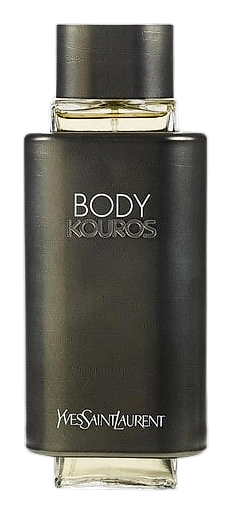
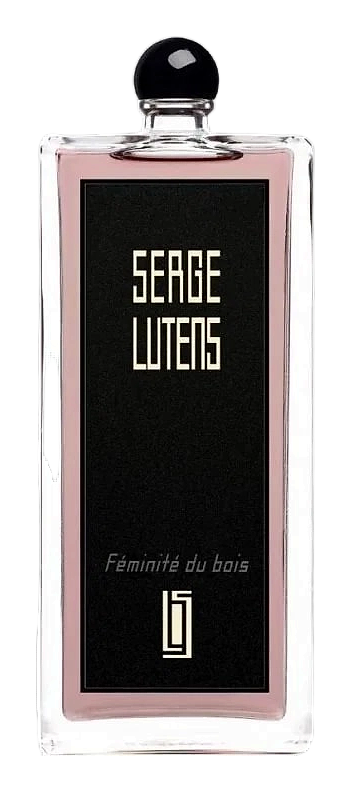
Pierre BourdonPierre Bourdon is a French independent perfumer whose career spans four decades and encompasses some of the most culturally significant fragrances of the late 20th century. Trained by the legendary Edmond Roudnitska, Bourdon brought an artistic sensibility to commercial perfumery that was rare for his generation. His signature work includes Davidoff Cool Water (1987), Yves Saint Laurent Kouros (1981), and Shiseido Féminité du Bois (1992). For Frederic Malle's Editions de Parfums, he created Iris Poudre and French Lover. In 2015, he launched his own eponymous line featuring five fragrances. Bourdon worked as head perfumer at Takasago Europe for nine years following the company's founding in 1982, and he studied at Roure Bertrand starting in 1971. His work is characterized by a balance of artistic integrity and commercial awareness, bridging haute parfumerie traditions with broader accessibility.
The Creator
Pierre BourdonBourdon's signature lies in clarity and restraint. He favors transparency in composition, building fragrances that breathe rather than overwhelm.