The Story
Why it exists.
The beginning
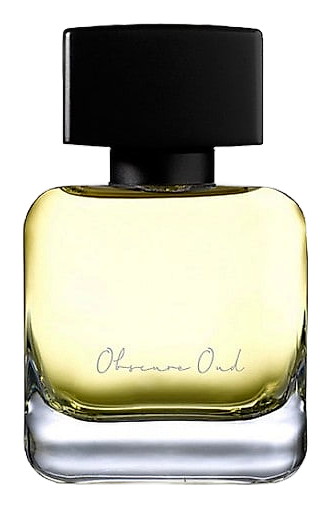
Phuong Dang's debut collection launched in 2016 with ten fragrances, nine formulated by Bertrand Duchaufour. The house operates on a single premise: scent is visual language, each bottle capturing a specific emotional state rather than a scent family. Obscure Oud emerged from that founding logic, but the name is a kind of provocation. It promises oud. What it delivers is oud as invisible architecture. Duchaufour, known for meticulous sourcing from Madagascar, Morocco, and the Balkans, built this composition around the idea of equilibrium: every material holding the same space, none louder than the whole. The result contradicts its own name. The oud is there, deep, complex, resonant, but it never takes center stage. Instead, it holds.
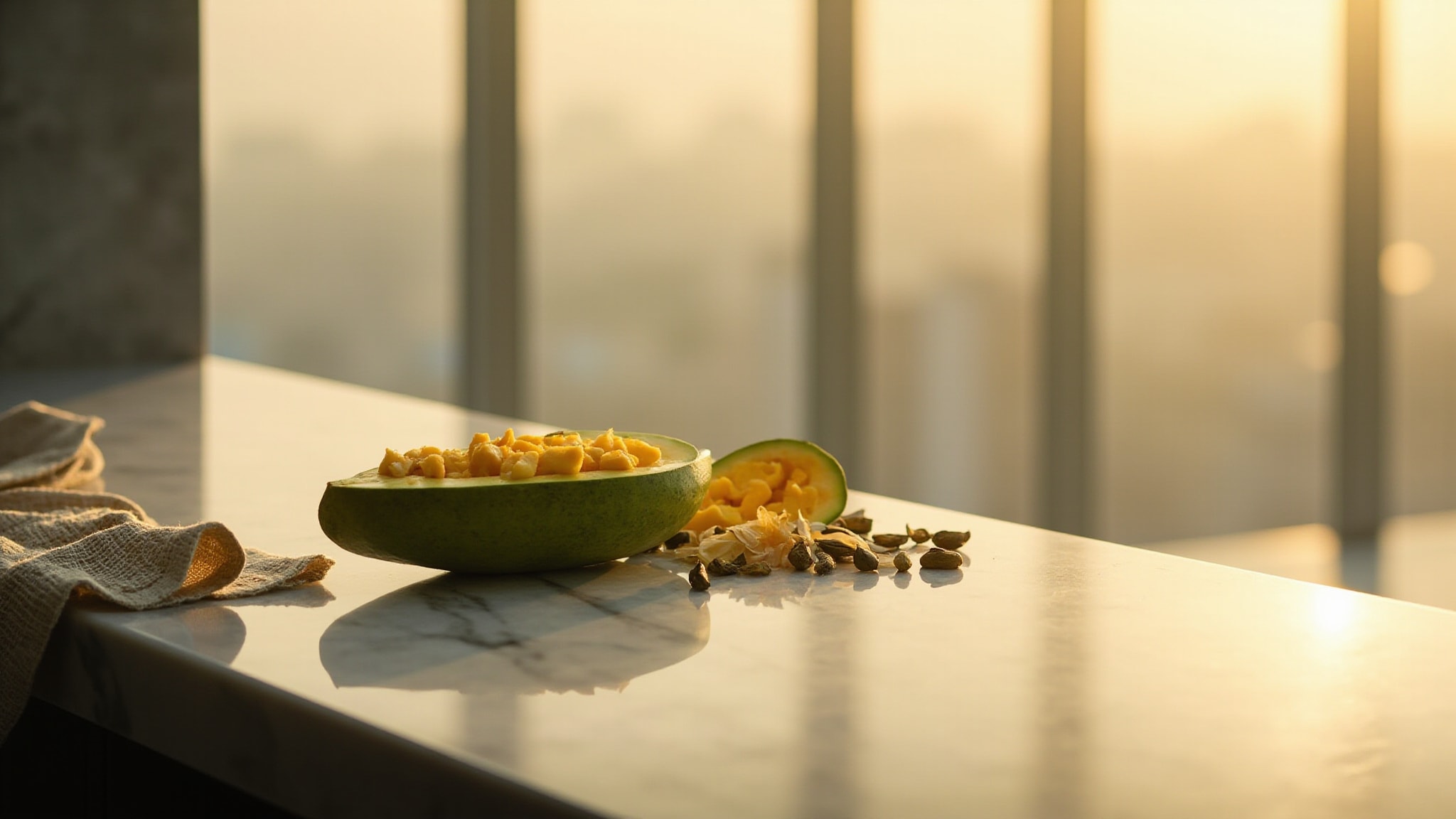
What makes Obscure Oud structurally unusual is the dry fruit layer. Green mango and clementine at the top aren't window dressing, they're load-bearing. They create a brightness that contradicts the warm spice and resin underneath, and the oud's role is to make that contradiction work. It doesn't pipe down the citruses or smooth over the florals. It gives them something to stand against. Carnation and clove bring a medicinal warmth that could easily tip into heaviness; the fig milk and amber keep it close to skin instead. Patchouli and cedar in the base add earthiness without going dark.
The evolution
The opening hits fast and stays sharp for about thirty minutes. Green mango and clementine lead, tart, almost acidic in the best way, with cardamom and a whisper of red berries underneath. Kumquat gives it an edge that keeps it from reading as sweet. Then the hand-off begins. The citruses don't fade so much as dissolve, replaced by florals that arrive with intention: carnation first, bringing its clove-like spice, then apricot with a waxy, slightly bitter sweetness. Fig leaf keeps something green alive beneath the blossoms. Frankincense hums quietly in the background, not announcing itself but adding resinous depth that prevents the heart from going fully floral. The oud becomes perceptible here, not as smoke or leather, but as a darkening agent, a quiet gravity pulling the lighter notes toward something with more weight. By the drydown, the opening is a memory. What remains is fig milk and castoreum: warm, slightly animalic, close to skin. Cedar and opoponax give it structure. The oud is still there, still holding, still not announcing itself.
Cultural impact
Niche fragrance collectors who seek out Phuong Dang tend to approach scent as personal history, fragrance as autobiography rather than statement. Obscure Oud attracts that buyer specifically: someone who wants the idea of oud more than its reality, who understands that the most interesting materials are often the ones you sense without identifying.