The Story
Why it exists.
The beginning
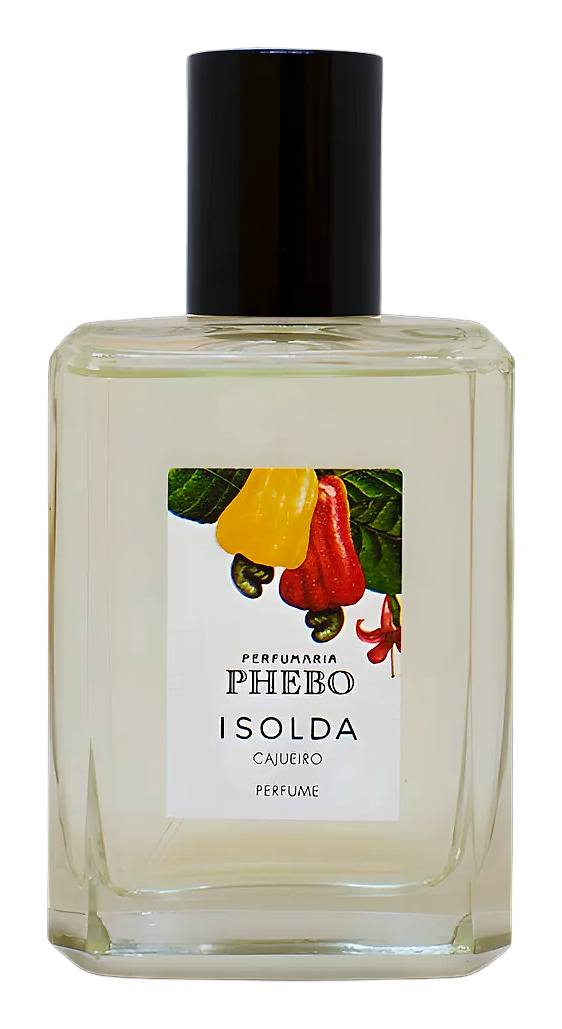
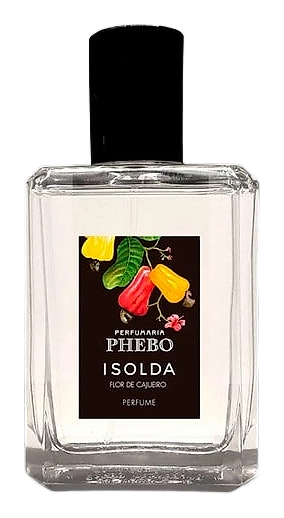
Phebo has operated since 1930 from Belém, the city that marks the threshold between the Amazon basin and the Atlantic, and the Biblioteca Olfativa collection reflects this vantage point. Each release functions as a botanical field entry, documenting a specific specimen from Brazilian flora. Flor de Cajueiro focuses on the cashew tree, the same species that yields the nut featured in earlier Phebo compositions, but here the flower takes precedence over the fruit. The house's longstanding practice of translating raw Brazilian botanicals through French perfume grammar means the cashew's quiet floral character is not simply rendered but interpreted, placed alongside materials like Freesia and Guaiac Wood that share its geographic roots but belong to different olfactory traditions.
The note philosophy here centers on fidelity to a single botanical subject, the cashew tree, rather than the usual associative fragrance storytelling. Citrus opens because it mirrors the air quality around the tree at certain times of day, while the floral heart attempts to capture the muted, often overlooked flower of the Anacardium occidentale. The nutty warmth in the heart is not accidental, it references the tree's more famous product without deploying it as a dominant note, a subtle double reference that rewards close attention.
The evolution
The fragrance opens with a citrus chord that feels immediate and almost reflexive, the kind of bright opening Brazilian tropical air might carry at sunrise when fruit hangs heavy on branches. Bergamot and Mandarin Orange arrive together, their clarity setting the stage before Orange adds a slight fleshiness to the citrus. As the composition moves into its heart phase, the brightness recedes and the cashew tree's floral personality emerges. Freesia brings a cool, green-floral restraint, while Lily of the Valley keeps the register delicate. The Cashew nut note, present in the heart, provides a subtle nutty warmth that feels native to the ingredient the fragrance takes as its subject, a quiet nod to the tree's dual identity. The drydown then shifts the narrative to wood and skin, Guaiac Wood asserting its smoky presence, Sandalwood softening the transition with warmth, and Musk tying the final chapter to the wearer's skin in a way that feels intimate and unhurried.
Cultural impact
Isolda Flor de Cajueiro arrived in 2020 as part of Phebo's Biblioteca Olfativa collection, a series that treats each fragrance as a botanical document rather than a commercial product. The inclusion of cashew nut in the heart notes, a material rarely seen in Western perfumery, reflects the house's commitment to native Brazilian ingredients. Wearers describe it as an approachable entry point into Phebo's catalog, with moderate longevity and a clean sillage that suits professional and casual settings equally.