
The Story
Why it exists.
The beginning
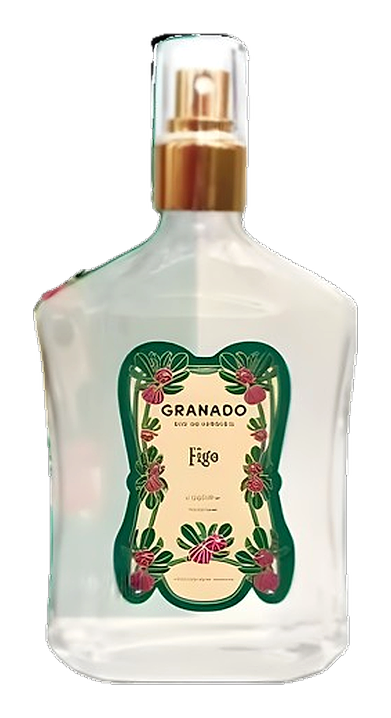
The fragrance opens with fig and apricot, two fruits that carry both sun and shade in their skin. The apricot had to feel ripe and slightly heavy, like fruit in a market at noon. The fig had to bring its mineral edge, the smell of warm stone near water. Together, these top notes create an immediate impression of ripeness and depth, where sweetness is present but never dominant. The fig lends an earthy, mineral quality that grounds the opening, preventing it from becoming too bright or fleeting. Apricot brings a soft, weighty quality that feels natural rather than synthetic. As the top notes develop, the interplay between the two creates a nuanced balance, the warmth of the apricot softened by the earthiness of the fig.
What makes this structure unusual is how the top notes resist their own transition. Apricot and fig rarely coexist without one swallowing the other, but here they share space in a way that keeps the opening from becoming simple fruit salad. The bergamot adds a brief citrus clarity that lifts everything without claiming it. Then the hand-off: jasmine enters warm, almost indolic in a way that stays controlled rather than heady. Lily of the valley adds its clean, slightly green bite. And beneath both, sandalwood arrives early, not waiting for the drydown, but integrating as the heart settles, making the transition from fruit to floral feel seamless rather than abrupt. The powdery quality isn't accidental.
The evolution
The first thirty minutes belong to apricot and fig, with bergamot as a brief guest. The fig carries a mineral warmth that feels distinctly grounded, not green, not aquatic, but the suggestion of warm earth near water. The apricot adds weight without sweetness becoming the point. Then jasmine takes over, joined by lily of the valley in a white floral heart that stays clean rather than heady. Sandalwood integrates early, pulling the florals toward powdery rather than bright. By the second hour, the base arrives, amber and musk arriving together, warm and skin-like, while cedar settles in the background. The cedar is the quiet anchor. It doesn't announce itself. It holds. The drydown reads as warm skin and powder, with amber and musk close to the surface and cedar extending what remains into the late hours.
Cultural impact
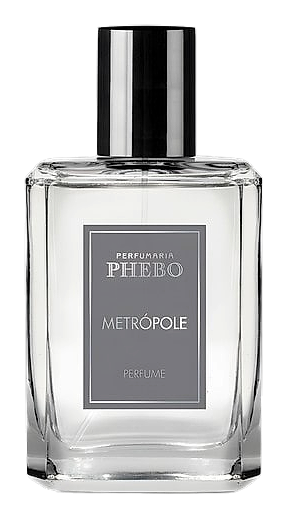
It reads as urban in the best sense: composed, slightly reserved, built for someone who wants a scent that works without explaining itself. The powdery-woody character gives it a particular quality that distinguishes it from more overtly tropical or bright fragrances. The composition maintains a sense of restraint throughout its development, neither projecting aggressively nor disappearing into skin. The balance between warmth and discretion makes it suitable for everyday wear in professional and casual contexts alike. There is something self-assured about how it sits on skin, present without demanding attention.