Cashew nut
Raw cashew offers almost no scent — its characteristic aroma emerges only through thermal processing, making it a unique perfumery material that exists as both extract and lab-created molecule.
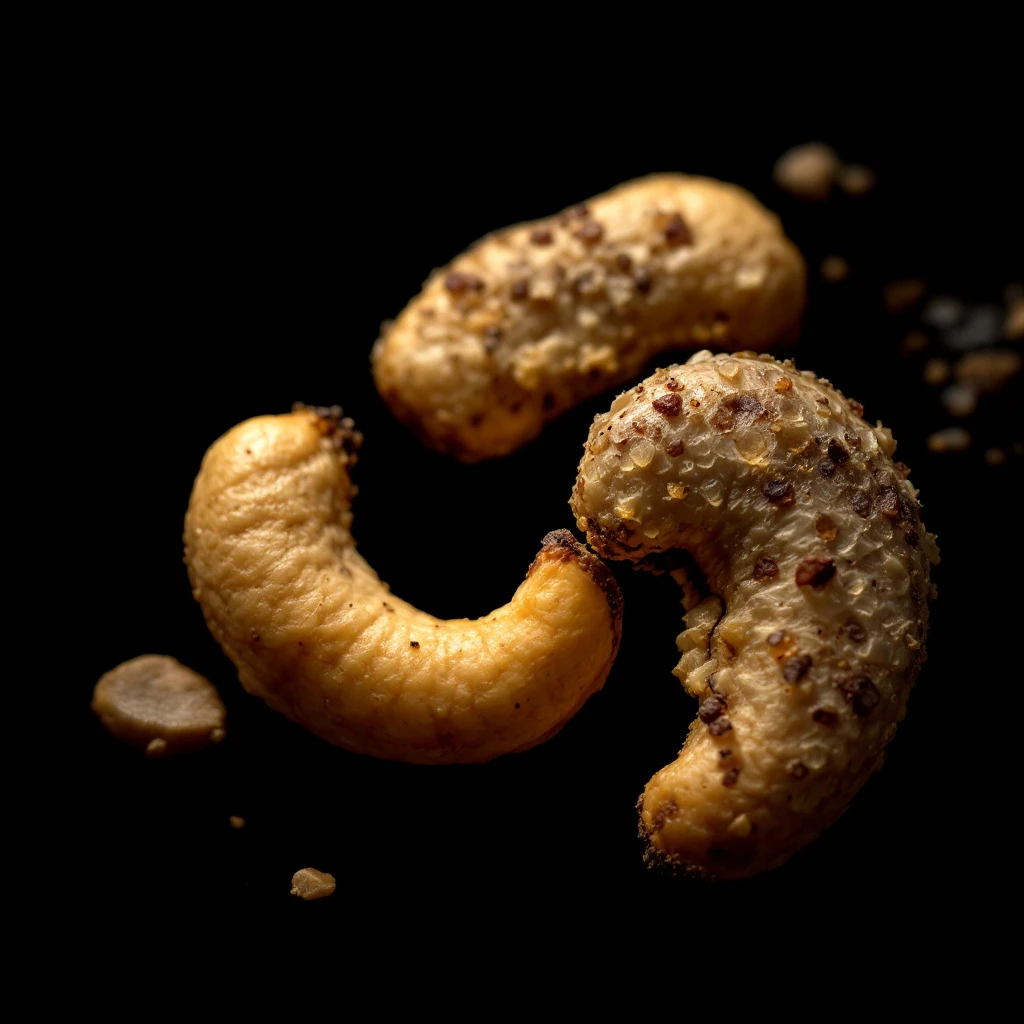
Character
How it smells
Roasted through science, captured in formula.
Cashew nuts grow from the bottom of the cashew apple, making them technically an accessory fruit — botanically upside-down from most tree nuts.







Origin
Brazil
The cashew originated in northeastern Brazil, where indigenous peoples used both the nut and the fruit long before European contact. Portuguese colonizers introduced the plant to India and West Africa in the 16th century, where it thrived in tropical coastal climates. By the mid-20th century, India and the Ivory Coast had become the world's largest cashew producers.
While the nut dominated commercial markets, Brazilian perfumers continued working with the entire cashew fruit — the apple and nut together — a tradition that gives the country a unique place in cashew perfumery. The fruit's flesh carries tropical, slightly acid notes reminiscent of guava, offering a different aromatic dimension than the roasted nut itself. Today, with 3.
9 million tons harvested globally in 2023, cashew occupies a growing niche in modern perfumery as a gourmand and nutty ingredient.
Wears it best
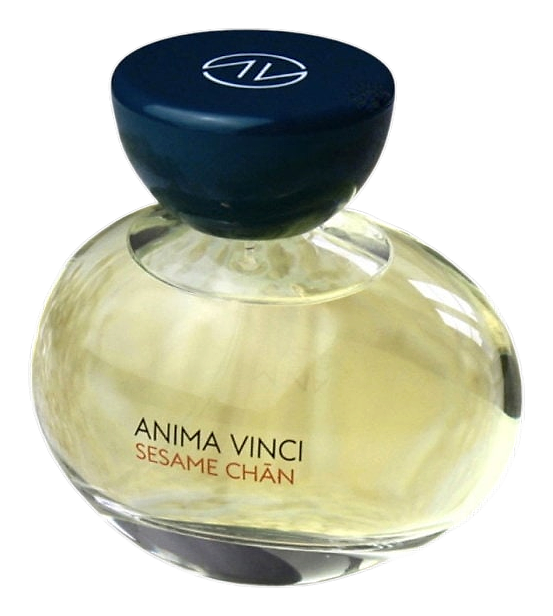
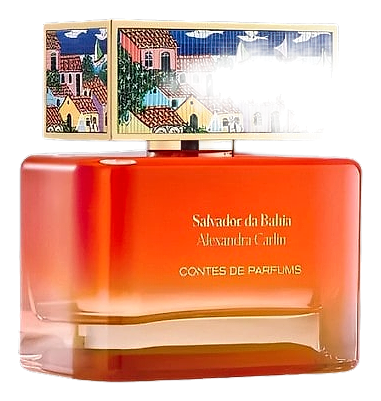
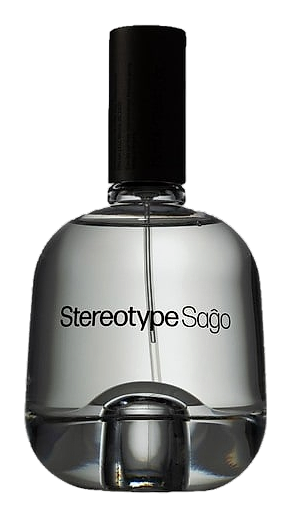
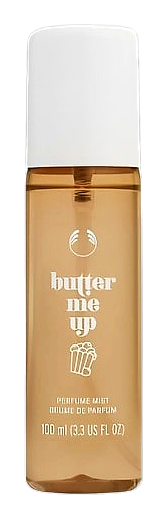
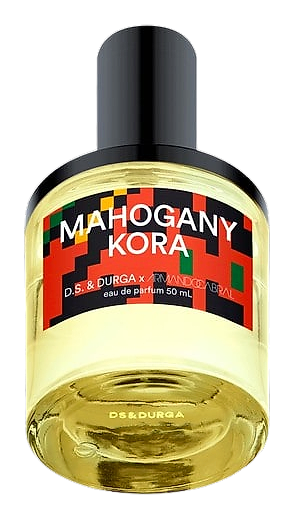
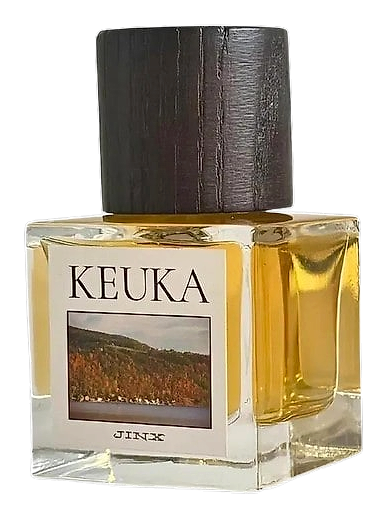
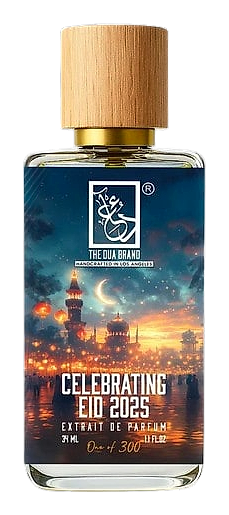
Fragrances featuring Cashew nut
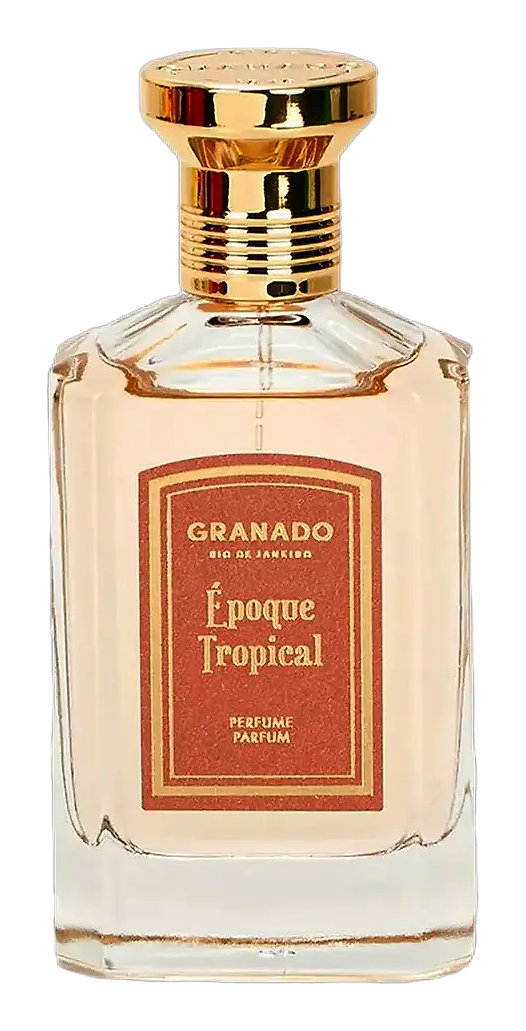
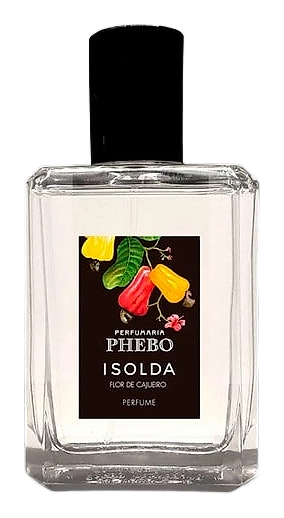
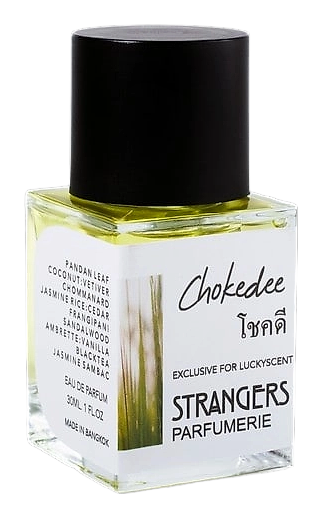
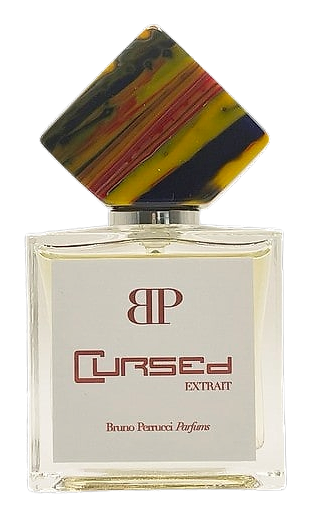
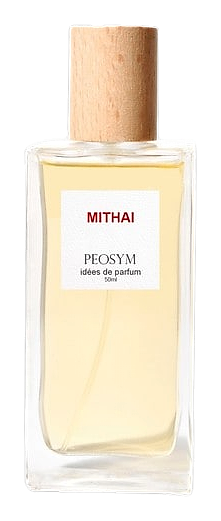
Brands
Brands known for Cashew nut
Good to know
Questions, answered
The essentials on Cashew nut in perfumery: how it smells, where it comes from, and how it behaves on skin.
Does cashew nut have a natural scent?
Raw cashew nuts have almost no aroma. Their characteristic scent develops only through thermal processing, driven by the Maillard reaction — the same chemistry that creates the smell of toasted bread.
Is cashew used as a natural or synthetic ingredient in perfumery?
Both forms exist. Natural cashew extract is obtained via solvent extraction of processed nuts, yielding a warm, roasted nutty material. Nature-identical synthetics replicate this profile reliably and at scale.
What does cashew smell like in fragrance?
Cashew adds a warm, toasted, buttery quality with nutty and slightly sweet facets. It performs best in gourmand fragrances, oriental compositions, and woody formulas where it reinforces warmth and roundness.
Which ingredients smell similar to cashew?
Brazil nuts and macadamia share cashew's buttery, rich nutty character. However, cashew's specific Maillard-derived profile is distinct — closer to roasted almond in warmth but with its own tropical undertone.
Is the cashew apple used in perfumery?
Brazilian perfumers do use the cashew apple. Its flesh carries tropical, slightly acidic notes reminiscent of guava — a different aromatic direction from the roasted nut and still relatively rare in mainstream perfumery.
Where is cashew cultivated for perfumery?
The cashew originated in Brazil. Global production in 2023 reached 3.9 million tons annually, with the Ivory Coast and India as the leading producers. Brazil remains the source of the fruit-focused perfumery tradition.
Is raw cashew safe to handle?
The nut shell and raw seed contain toxic compounds (anacardic acid and urushiol), requiring professional handling during extraction. Only the processed kernel is safe and suitable for perfumery use.
How does cashew compare to tonka bean in fragrance?
Tonka bean delivers sweet coumarin with vanilla-like warmth. Cashew brings a nuttier, more savory and toasted profile. Both work in oriental and gourmand bases, but cashew is less sweet and more textural.