The Story
Why it exists.
The beginning
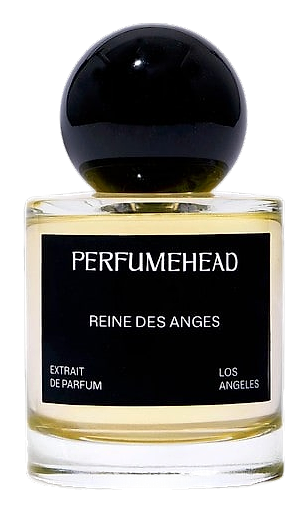
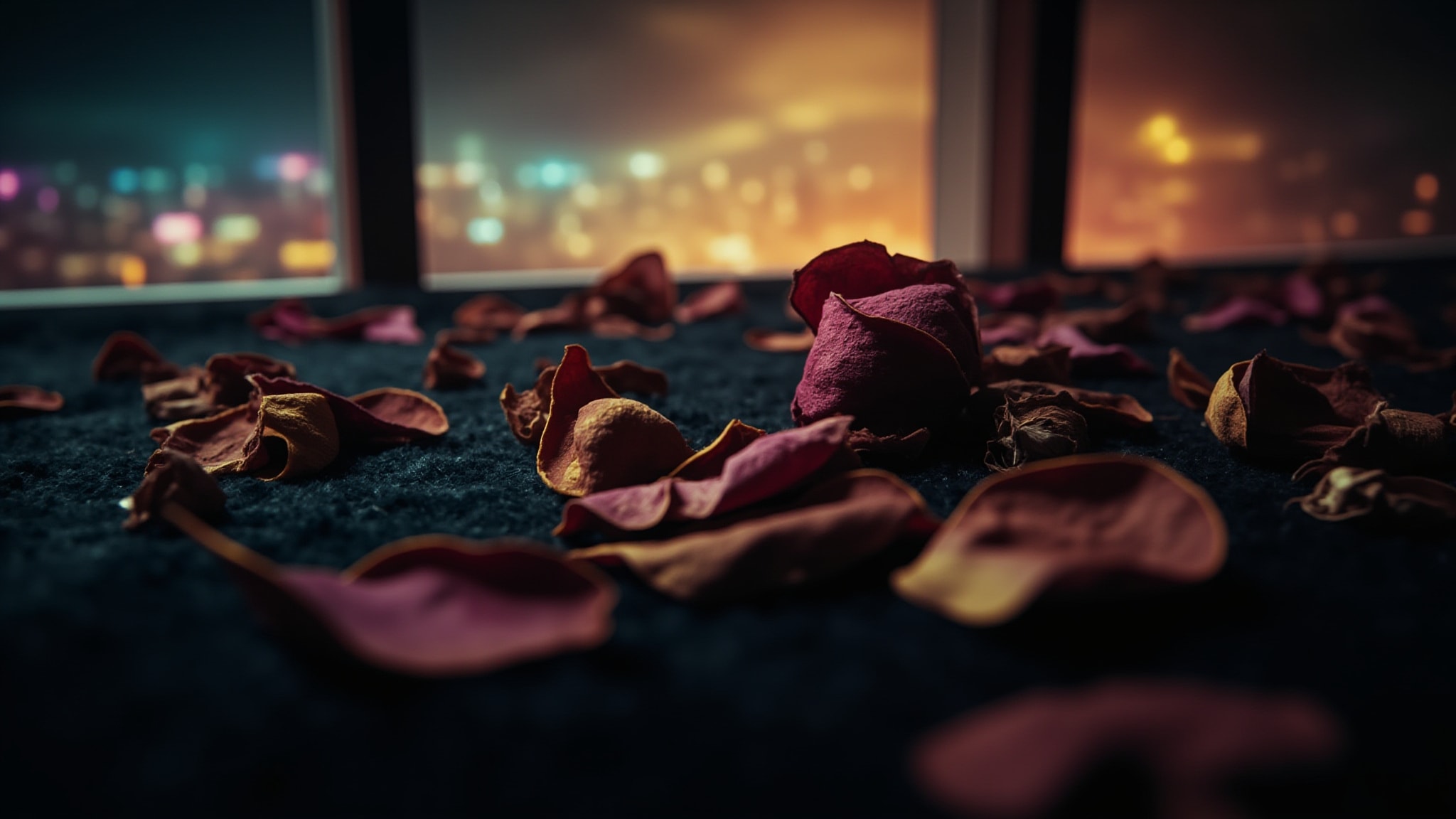
Reine des Anges means Queen of Angels, and Florie Tanquerel composed this one as an ode to Los Angeles. But not the Los Angeles of sunshine and possibility. The other one. The humid nights, the air that hangs heavy in the summer months, the roses that bloom in unexpected places. Tanquerel wanted to explore the darker side of the rose. Not the powdery romantic rose. The rose that gets dirty. The rose that wants something. Turkish and Moroccan roses together create a tension: the bright, almost heady bloom of one variety against the deeper, more resinous character of the other. Saffron seduces them both with its warm, slightly medicinal sweetness. Angelica root gives it an edge that grounds the composition in something earthier, less predictable. The Queen of Angels isn't innocent.
What makes Reine des Anges work is the way it holds two rose varieties in productive tension. Turkish rose and Moroccan rose each bring their own character to the blend, one perhaps lighter, one more deeply saturated. Together they create a rose that has more dimension than either alone. The saffron doesn't just add spice. It adds warmth, a golden thread that weaves through the floral heart. The leather in the base isn't decorative. It's structural. It holds the flowers down, keeps them from floating into something precious.
The evolution
The opening hits immediately with two roses in conversation. Moroccan rose arrives first, bright and almost medicinal before the saffron warms it. Pink pepper adds a whisper of spice. The geranium arrives next, green and slightly bitter, cutting through what could have been too romantic. The heart deepens. The leather asserts itself. It's not polite leather. It's worn leather, the kind that comes from use. The rose doesn't disappear but it changes, becomes something darker against the warmth of amber and musk. Angelica root adds an earthy, root-like quality that keeps everything grounded. The drydown is where this lives. Patchouli and vetiver create a mineral, smoky base that lingers close to the skin for hours. The saffron never fully disappears. It becomes a memory of warmth underneath the leather and earth.
Cultural impact
Reine des Anges occupies an interesting space in contemporary rose compositions. It refuses the powdery, safe rose that dominates the category. Instead, it leans into something heavier, more visceral. The leather-forward drydown puts it in conversation with vintage chypres rather than modern florals. The saffron opening announces that this isn't for everyone, and that's precisely the point. Those who connect with it tend to wear it repeatedly, finding something new in the composition each time. The Perfumehead label treats each release as a chapter in a larger narrative.