
The Story
Why it exists.
The beginning
Love Kills arrived in 2019 as the third chapter of Act III in Masque Milano's Opera collection. Caroline Dumur built the fragrance around a central question, treating the flower's lifecycle as a narrative arc rather than a static impression. The composition places rose at the center, supported by geranium, patchouli, cedar, and musks. Rather than softening the central floral, these elements interact with it, creating a dynamic that shifts as the fragrance develops. The rose does not remain static; it transforms, taking on different qualities as the hours pass. What remains consistent is the focus on a single flower and the story it tells from first spray to final moments on the skin.
The structural choice here is unusual, Turkish rose oil opens the composition, then gradually yields to Turkish rose absolute. Most fragrances treat rose absolute as the heart; Love Kills makes it the conclusion. Patchouli and musks don't support the rose so much as preserve it, like a flower pressed between pages of a book you've finished reading. The result is a soliflore that actually evolves, not one that simply announces itself and waits to disappear.
The evolution
The opening arrives bright and immediate, Turkish rose oil with a green, almost citrus-like geranium edge. That geranium is the sharpest moment in the fragrance, the kind of clarity that reads differently on everyone. The rose oil begins to thin while the rose absolute thickens, taking on a darker, more concentrated quality. The transition is gradual rather than sudden, the notes interweaving as one fades and another emerges. Patchouli settles in close to the skin, cedar adding a dry woody warmth beneath. The musks don't project much at this point, they're felt more than seen, a warmth that stays close. The drydown is where Love Kills earns its longevity. On skin, the arc moves toward intimacy by final hours, strong projection becomes a quiet presence, the kind of sillage that requires someone to lean in.
Cultural impact
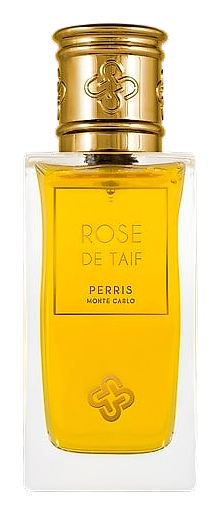
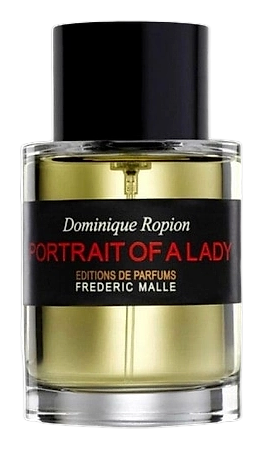
Love Kills navigates the rose soliflore category by refusing to be merely pleasant. The geranium opening provides a sharp counterpoint to the floral, creating tension rather than comfort. The musks in the drydown add warmth and depth, giving the fragrance a complex character that rewards attention. These choices feel intentional, a statement about what a rose fragrance can be. The fragrance appeals to wearers who want something beyond the expected garden representation of rose. It sits comfortably alongside compositions like Portrait of a Lady or Rose de Taif, other roses that refuse to apologize for existing with force and intention.