
The Story
Why it exists.
The beginning
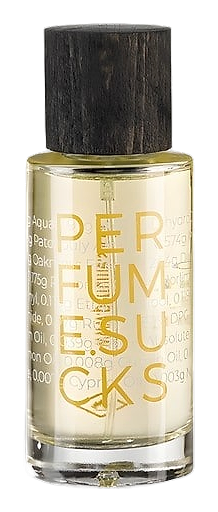
YELLOW 133C arrived in 2018 under the Perfume.Sucks label, a house that uses color codes in place of evocative names. Andreas Wilhelm is the perfumer behind the brand. He chose to publish the formula himself rather than rely on conventional industry channels. YELLOW 133C was no exception. The fragrance draws on rum, Ceylon cinnamon, and fir balsam for its opening direction, anchored by cypriol and patchouli, a composition rooted in amber and earth rather than sweetness. The structure leans into dry woods and resin from the first contact with skin. There's no sweetness cushioning the spice, no gourmand softening to make the blend approachable. What you get is the raw architecture of the formula, laid out note by note without editorial interference.
What sets YELLOW 133C apart is its refusal to dress up. The cinnamon and fir balsam in the opening aren't softened by vanilla or caramel, they're allowed to stand as raw spice and resin. Cypriol, often called nagarmotha, brings a dry, earthy depth that bridges the heart and base without resorting to sweetness. Limbwood, a Firmenich base more common in Middle Eastern perfumery, anchors the composition with an almost mineral woodiness. The ambrox overdose gives it that golden, ambery glow that persists through the wear. Nothing here is precious. Everything earns its place.
The evolution
The first spray is a statement: aged rum warmed with Ceylon cinnamon bark, a streak of fir balsam resin cutting through like cold air through an open window. It's loud and immediate, the kind of opening that announces itself before you've even left the house. Within fifteen minutes, the rum softens and the fir recedes, leaving behind cypriol, labdanum, and patchouli. The heart is drier, more contemplative. The wood notes take over, earthy and mineral, with thyme threading through the middle like an afterthought that sharpens the whole composition. As the wear progresses, the ambrox settles into the blend, bringing that golden amber warmth to the surface. The Limbwood base works underneath, and what remains is a close, warm, woody haze that still reads as present without demanding attention. The sillage softens compared to the opening burst, but the composition stays coherent.
Cultural impact
YELLOW 133C earns attention for what it strips away. No poetic name, no provenance story, no mythology to frame the bottle. The color code and the note list do all the talking. That approach puts the composition itself under the spotlight, letting the wearer judge the blend on its own terms. Within the catalog, YELLOW 133C is frequently referenced as a defining example of the brand's woody-amber direction. The combination of rum, cinnamon, fir balsam, cypriol, patchouli, and ambrox marks a clear stylistic choice, one that prioritizes dry spice and resin over sweetness or gourmand softness.